Key legislators
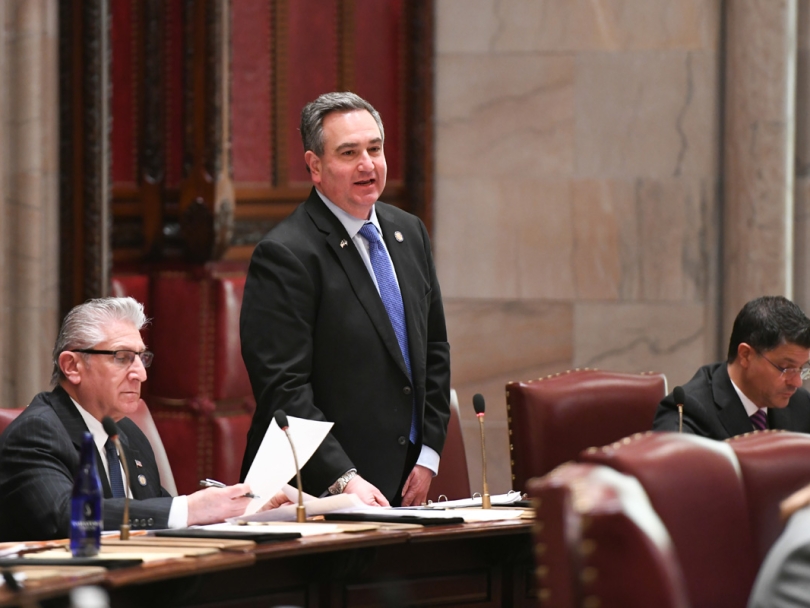
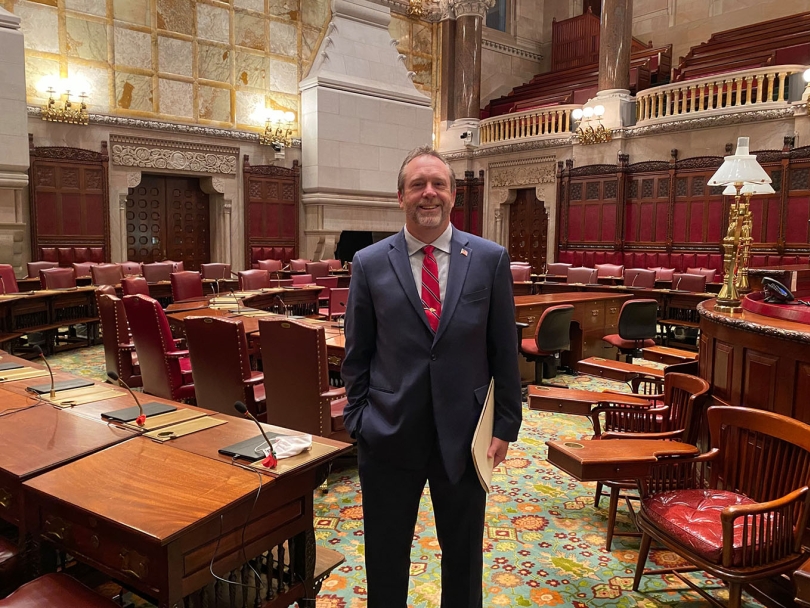
Who's moving forestry in New York
Showing 5 of 5
bills
All environment bills
Prohibits the issuing of major renewable energy and major electric transmission facility siting permits in designated grassland bird conservation centers including, but not limited to, three such centers in Jefferson county, one center in Saint Lawrence county, the Oak-Orchard-Iroquois center, the Washington County Grasslands center, the Finger Lakes National Forest center and the Shawangunk Grasslands.
Bill A 4626 authorizes Cattaraugus County to stop using specific reforested lands (totaling ~64 acres) in Perrysburg as public parks and lease them for up to 30 years. The lease allows oil/gas exploration, timber production, and recreational use, with all lease revenue required to fund county park improvements or new park acquisitions. Public access to existing recreational facilities on the land must continue under a fair reservation system.
This bill (S 1433) allows Cattaraugus County to stop using specific reforested lands (about 64 acres in Perrysburg) as parklands and lease them for up to 30 years. The lease must support oil/gas exploration, watershed protection, timber production, and recreation, with revenues funding county park improvements or new park acquisitions. If the land is no longer used for these purposes, it reverts to the county. The bill also requires that any federal funding conditions for the land be met before leasing, and public access to facilities must remain available.
This bill amends environmental law to exclude certain timber harvesting activities from permit requirements for lands used for agriculture or forestry. Specifically, it allows farmers and landowners to selectively cut timber using USDA Forest Service's current best management practices - including temporary skidder trails and machinery - without needing a permit. The exclusion applies only to active agricultural or silviculture lands, and does not cover non-agricultural structures or filling activities. Wetland rules still apply once farming or forestry activities end. The change takes effect immediately.
This bill (S 3434) allows farmers and landowners on active agricultural or silviculture lands to selectively cut timber without needing a permit, provided they follow USDA Forest Service's current best management practices for temporary equipment use. It specifically excludes this activity from permitting requirements, while still requiring permits for non-agricultural structures or filling. The exemption applies only during active farming or forestry use; once those activities stop, standard wetland protections resume. The bill takes immediate effect.