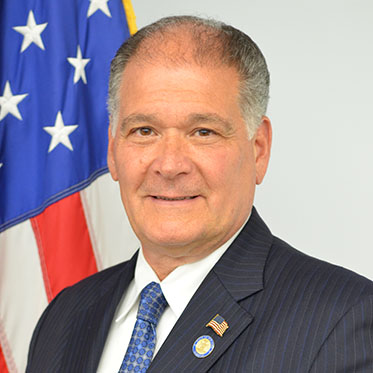
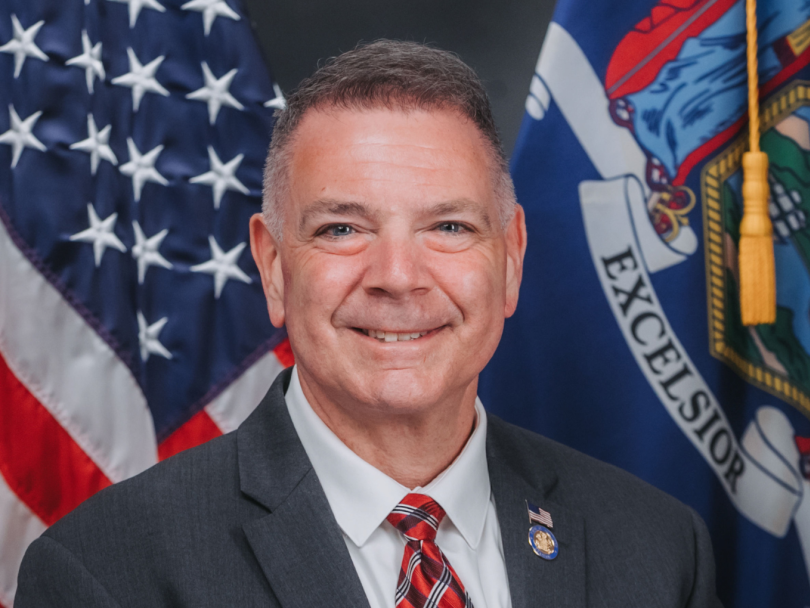
Key legislators
Who's moving juvenile justice in New York
Showing 81–85 of 85
bills
All criminal justice bills
Establishes the youth justice innovation fund to make funds available to community-based organizations for services and programs with the purpose of youth development and preventing youth arrest and incarceration.
This bill makes statements by people under 18 obtained through deception during police custody questioning inadmissible in court. It creates a legal presumption that such statements are involuntary if law enforcement knowingly used false claims about evidence or fake promises of leniency to get a confession. The prosecution must prove the statement was voluntary by a preponderance of evidence, shifting the burden of proof to them. This applies to both criminal trials and family court cases involving minors under 18.
This bill (S 332) changes how courts handle misdemeanor convictions for eligible young people. It requires courts to automatically classify as "youthful offenders" any youth convicted of a misdemeanor with no prior criminal record or youthful offender status. This classification prevents a permanent criminal record and blocks prison sentences longer than four years. The law applies to misdemeanor cases occurring after its effective date, with courts also having discretion to grant youthful offender status in other eligible cases.
This bill mandates a comprehensive study on the relationship between the corrections system and the child welfare system. The study will examine incarcerated individuals' prior involvement with child welfare and juvenile systems, including details like past foster care, age during placement, ethnicity, and gender. It requires the Commissioner to conduct surveys of a random sample of at least ten percent of individuals in state, county, and municipal correctional facilities. Participant confidentiality and informed consent are required for these surveys. A written report with findings, conclusions, and recommendations must be submitted to the governor and legislative leaders.
This bill prohibits placing any incarcerated individual under 18 years old in segregated confinement under any circumstances. It directly affects minors in correctional facilities by banning this practice, which involves isolating individuals in separate cells. The key provision amends the correction law to explicitly state that "incarcerated individuals under the age of eighteen shall not be placed in segregated confinement for any reason," with limited exceptions referenced in the text. The policy change updates facility procedures to protect minors from this form of confinement.