Issue · Criminal Justice

Criminal Justice (Policing)

Every criminal justice bill, vote, and legislator stance in New York, automatically classified by Maddy, our AI policy reader.

Total bills
308
2025 Regular Session
Top supporter
Luis Sepúlveda
100% support rate
Top opponent
Steve Chan
0% support rate
Ranked legislators
10
5 support · 5 oppose
Key legislators

Who's moving policing in New York

Legislators moving policing in New York
Legislator Party Stance Support rate Votes
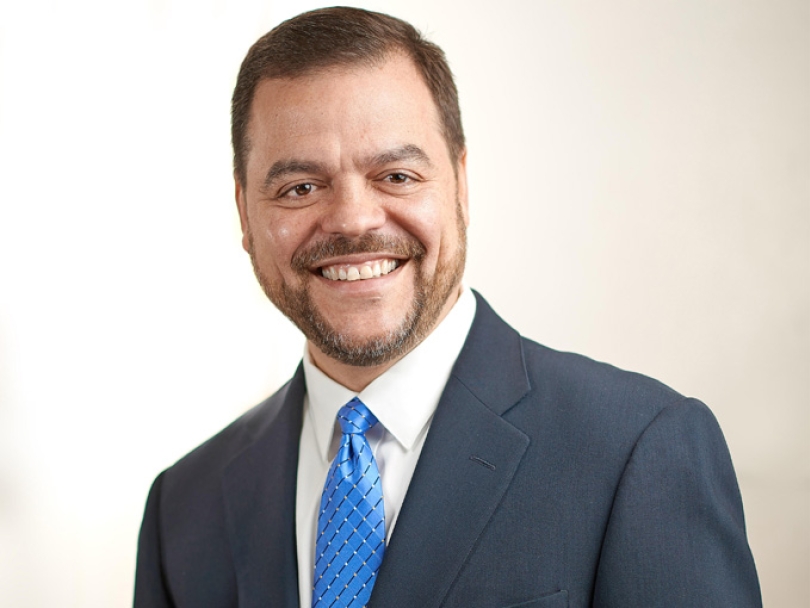
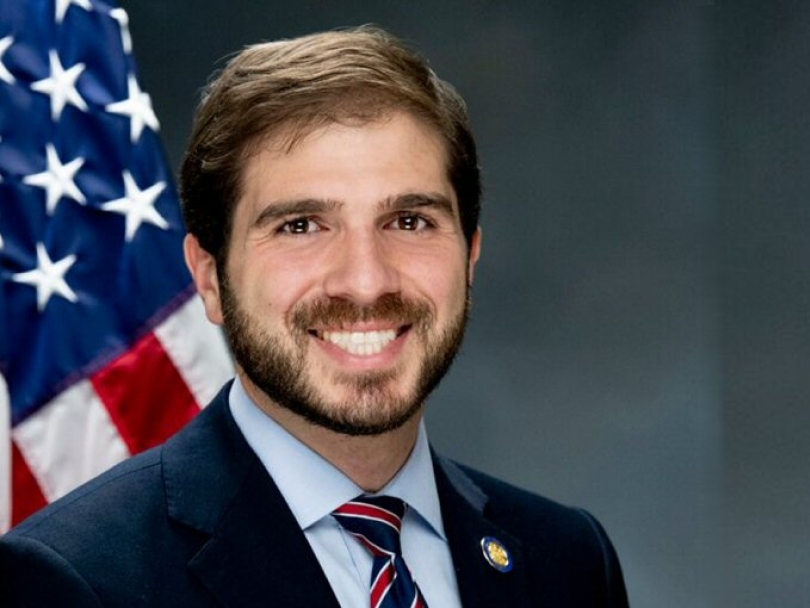
Luis Sepúlveda
Luis Sepúlveda Senate · District 32
D
Strong +
100% 27
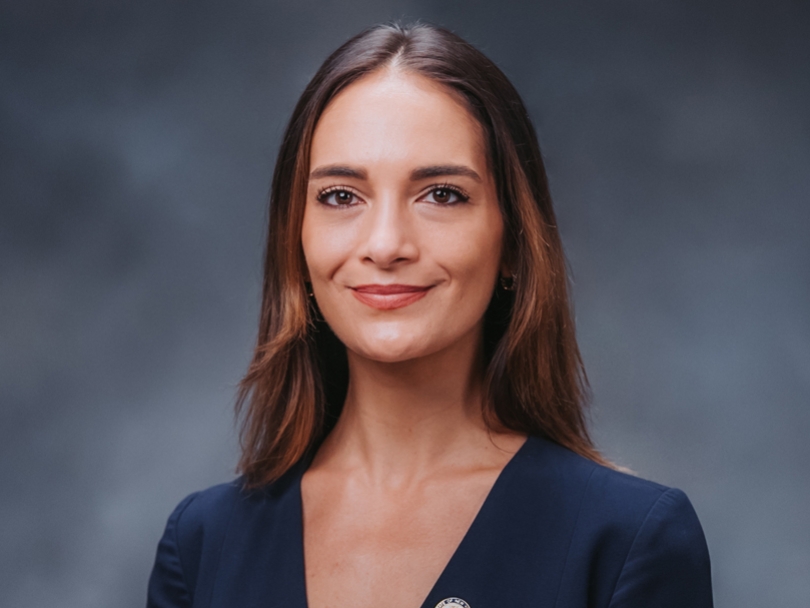
Julia Salazar
Julia Salazar Senate · District 18
D
Strong +
100% 24
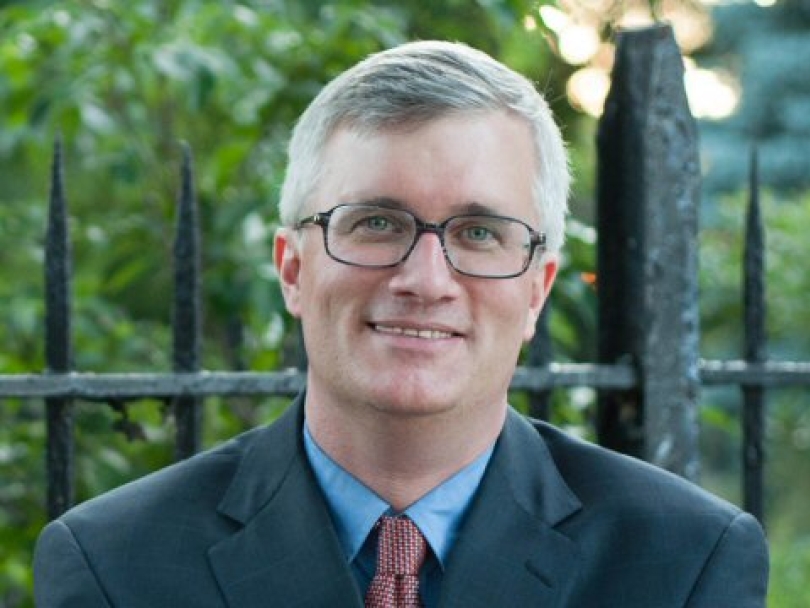
Brian Kavanagh
Brian Kavanagh Senate · District 27
D
Strong +
100% 23
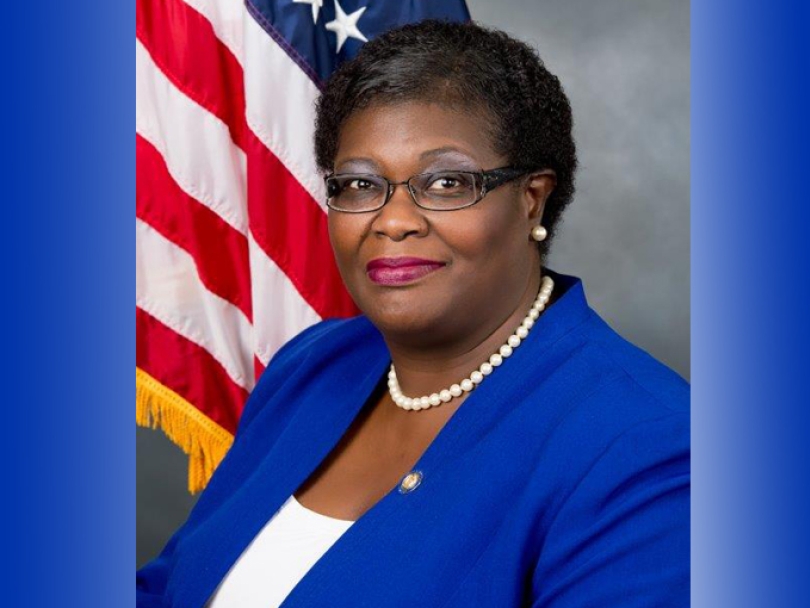
Roxanne Persaud
Roxanne Persaud Senate · District 19
D
Strong +
100% 23
Andrew Gounardes
Andrew Gounardes Senate · District 26
D
Strong +
100% 21
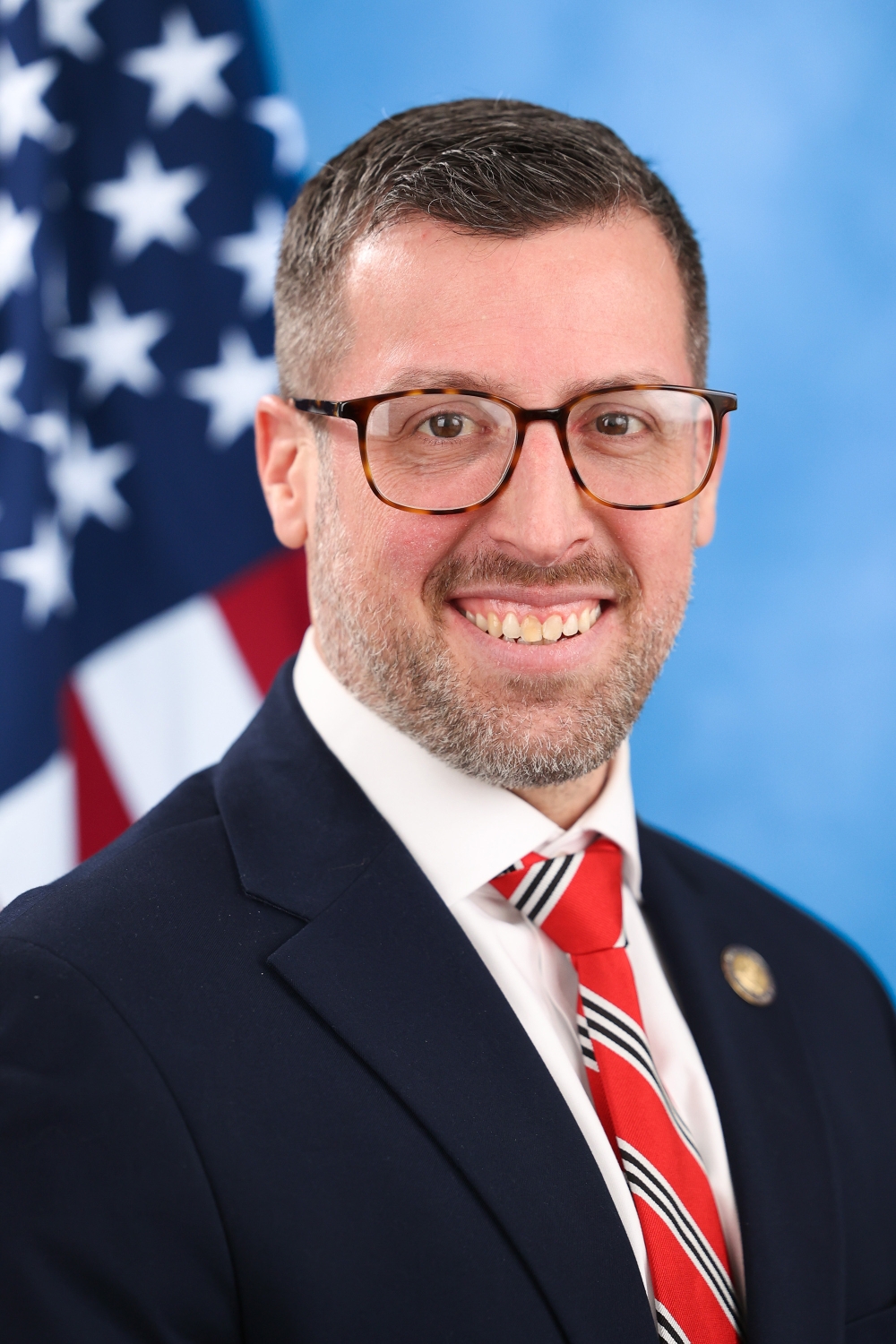
Steve Chan
Steve Chan Senate · District 17
R
Strong −
0% 18
George Borrello
George Borrello Senate · District 57
R
Strong −
0% 16
Andrew Molitor
Andrew Molitor House · District 150
R
Strong −
0% 7
Brian Manktelow
Brian Manktelow House · District 130
R
Strong −
0% 7
Chris Tague
Chris Tague House · District 102
R
Strong −
0% 7
Showing 301–308 of 308 bills

All criminal justice bills

in committee · New York · Assembly Jan 7, 2026

A 3619: Relates to granting the attorney general jurisdiction to investigate and prosecute police misconduct

This bill grants the state attorney general direct authority to investigate and prosecute police misconduct, including incidents occurring both on and off duty. It requires such cases to be handled in courts outside the county where the alleged misconduct occurred, limiting local prosecutors to following the attorney general's direction. The county where the incident happened must cover all costs for the attorney general's office, including staff salaries. This directly affects police officers under investigation, local district attorneys, and county budgets.
Sub-Topics Policing
in committee · New York · Senate Jan 7, 2026

S 3926: Relates to the discoverability of recordings found on police body worn cameras and vehicle cameras

S 3926 requires full disclosure of all recordings from police body cameras and vehicle cameras in criminal cases, including outtakes and unused portions, rather than just footage the prosecution plans to use. It directly affects prosecutors, defendants, and courts in criminal proceedings involving police video evidence. The bill mandates that prosecutors disclose all such recordings unless exempt under public officers law, with a limited exception: if materials exceed 10 hours, prosecutors may initially disclose only trial-relevant footage plus a summary, but must provide additional requested recordings within 15 days. This changes current disclosure practices to increase transparency around police-captured video evidence.
Sub-Topics Policing
in committee · New York · Assembly Jan 7, 2026

A 3132: Increases the designation of certain offenses relating to unlawfully fleeing a police officer and makes such offenses eligible for bail

This bill lowers the felony classification for certain vehicle-related police fleeing offenses (from class A to E, E to D, and D to C felonies) and adds these charges to the list of offenses eligible for bail. It directly affects individuals charged with fleeing police in a motor vehicle, specifically those facing third-degree (least severe), second-degree, or first-degree charges. The key change amends bail eligibility rules in the criminal procedure law, allowing courts to grant release on recognizance or under non-monetary conditions for these offenses - provided the prosecution shows reasonable cause and the court finds any related theft negligible. This adjustment modifies how courts handle pretrial release for these specific charges.
Sub-Topics Courts Policing
in committee · New York · Senate Jan 7, 2026

S 3633: Requires the use of body-worn cameras on certain correction officers

S 3633 requires correction officers supervising general population inmates at maximum security facilities to wear body-worn cameras during duty hours, recording all audio and video interactions with incarcerated individuals. The law mandates that recordings be stored for at least six months, with specific standards for equipment and privacy protections to prevent misuse as surveillance. The commissioner must issue an initial report within one year and annual updates evaluating the cameras' impact on safety metrics like assaults, injuries, and deaths. This bill directly affects correction officers and incarcerated individuals at designated facilities, focusing on transparency in officer-inmate interactions.
Sub-Topics Corrections Policing
in committee · New York · Senate Jan 7, 2026

S 1079: Requires intervention in incidents involving incarcerated individuals

Requires every police officer, peace officer and employee of a correctional facility to intervene in incidents of violence involving incarcerated individuals.
Sub-Topics Corrections Policing
in committee · New York · Senate Jan 7, 2026

S 7180: Requires the state's model law enforcement use of force policy to conform to standards promulgated by the United Nations

Requires the state's model law enforcement use of force policy to conform to the United Nations basic principles on the use of force and firearms by law enforcement officials and the United Nations code of conduct for law enforcement officials.
in committee · New York · Senate Jan 7, 2026

S 5118: Relates to providing judges more discretion regarding securing orders and limiting the lengths of certain orders; repealer

S 5118 amends New York's criminal procedure law to expand when police can issue appearance tickets (instead of making an arrest) for certain minor offenses, while adding specific exceptions requiring an arrest. It mandates arrests for cases involving domestic violence, hate crimes, weapons on school grounds, or when a person needs immediate medical care. The bill also introduces a new "pre-arraignment bail" option for defendants who post cash to secure court appearances after an arrest. These changes directly affect police officers, defendants, and courts by altering initial steps in criminal proceedings for eligible cases.
in committee · New York · Assembly Mar 17, 2026

A 9253: Relates to disclosure of the use of artificial intelligence by law enforcement agencies

Requires policing agencies to conduct an inventory of, and develop a publicly-available policy for, any artificial intelligence used to aid criminal investigations.
Showing 301 to 308 of 308 bills
Previous 1 29 30 31