Issue · Criminal Justice

Criminal Justice (Law Enforcement)

Every criminal justice bill, vote, and legislator stance in New York, automatically classified by Maddy, our AI policy reader.

Total bills
136
2025 Regular Session
Top supporter
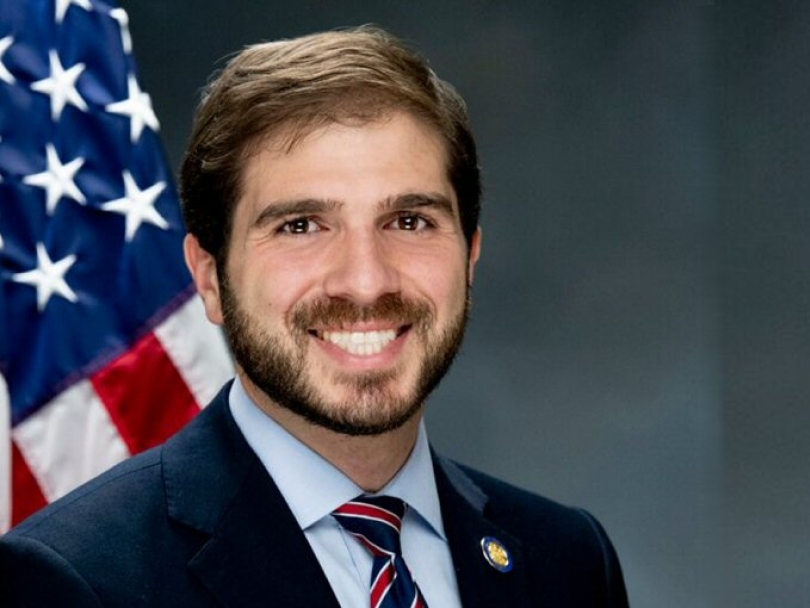
Andrew Gounardes
100% support rate
Top opponent
Andrew Lanza
0% support rate
Ranked legislators
10
5 support · 5 oppose
Key legislators

Who's moving law enforcement in New York

Legislators moving law enforcement in New York
Legislator Party Stance Support rate Decisive votes
Andrew Gounardes
Andrew Gounardes Senate · District 26
D
Strong +
100% 6
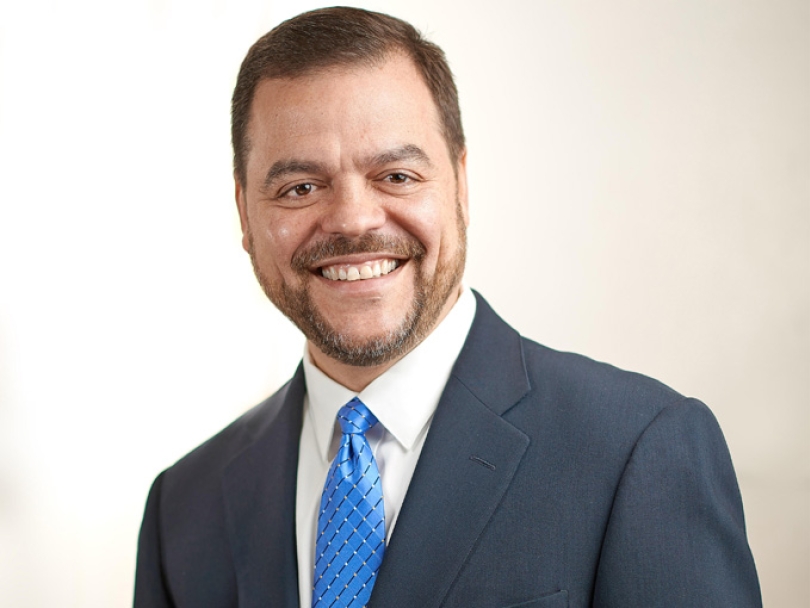
Luis Sepúlveda
Luis Sepúlveda Senate · District 32
D
Strong +
100% 6
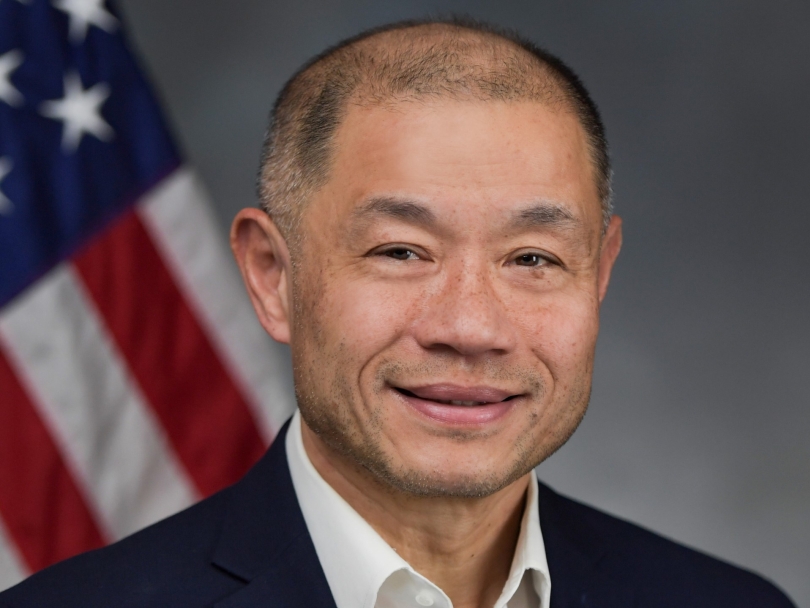
John Liu
John Liu Senate · District 16
D
Strong +
100% 5
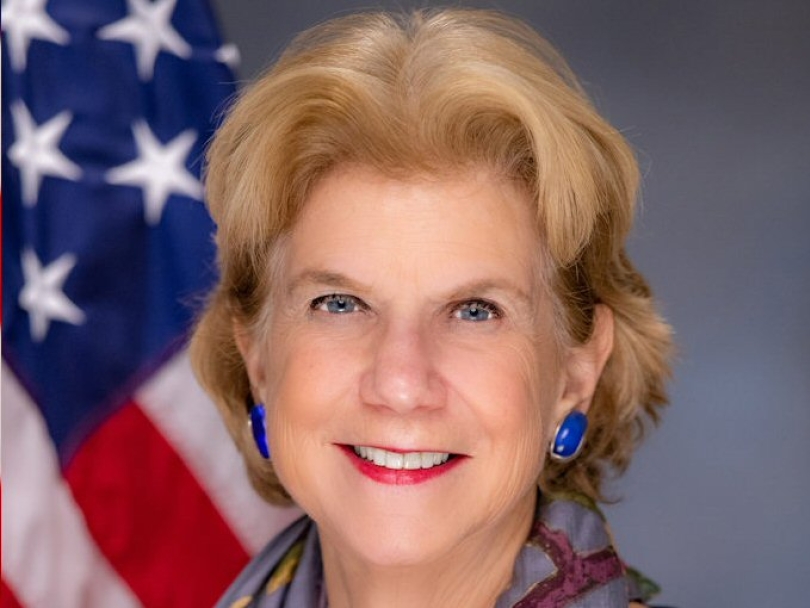
Shelley Mayer
Shelley Mayer Senate · District 37
D
Strong +
100% 5
Toby Stavisky
Toby Stavisky Senate · District 11
D
Strong +
100% 5
Andrew Lanza
Andrew Lanza Senate · District 24
R
Strong −
0% 5
Patricia Canzoneri-Fitzpatrick
Patricia Canzoneri-Fitzpatrick Senate · District 9
R
Strong −
0% 5
Steve Rhoads
Steve Rhoads Senate · District 5
R
Strong −
0% 5
Jack Martins
Jack Martins Senate · District 7
R
Strong −
0% 4
Alexis Weik
Alexis Weik Senate · District 8
R
Strong −
0% 3
Showing 131–136 of 136 bills

All criminal justice bills

in committee · New York · Senate Jan 7, 2026

S 1413: Establishes the crimes of harassment of a law enforcement officer or a member of the officer's family in the first degree and second degree

S 1413 creates two new criminal offenses: "harassment of a law enforcement officer or family member in the first degree" (a felony) and "in the second degree" (a misdemeanor). First-degree harassment covers threatening communications (via phone, email, or other means) intended to cause fear for an officer's or family member's safety or property. Second-degree harassment includes physical contact, following in public, or repeated conduct that alarms officers or their families. The law directly affects anyone who targets law enforcement officers or their household members with these specific actions, with penalties ranging from a misdemeanor to a felony.
Sub-Topics Law Enforcement
in committee · New York · Senate Jan 7, 2026

S 1405: Establishes a statewide law enforcement officer misconduct database

Directs the division of criminal justice services to establish a statewide public database covering every local police department, each county sheriff's office, the division of the state police and every agency that employs a peace officer in this state, which shall compile the names of any police or peace officer who has had their employment terminated due to misconduct.
in committee · New York · Assembly Jan 7, 2026

A 3182: Relates to the justification for the use of force in a homicide by a peace officer or police officer

This bill establishes new legal standards for when police officers may use deadly force. It states officers can only use deadly force if they reasonably believe it's necessary to prevent imminent death or serious injury to themselves or others, or to arrest someone for a violent felony that caused death or serious injury. The law requires officers to consider alternatives when safe and evaluate situations from the perspective of a reasonable officer at the time, not with hindsight. It specifically notes people with disabilities are more likely to experience excessive force during police interactions and are involved in a significant portion of fatal encounters. The bill directly affects police officers' use of force decisions and impacts individuals interacting with law enforcement, particularly those with disabilities.
in committee · New York · Senate Jan 7, 2026

S 1401: Enacts the "police and peace officer licensing act"

This bill establishes a mandatory licensing system for all police and peace officers in the state, requiring licenses by January 1, 2027, with licenses valid for five years and renewal tied to continuing education. License renewal includes specific training on de-escalation techniques for mental health crises, protests, and cultural competency regarding race, ethnicity, and gender identity. It creates an independent review board to handle disciplinary actions for professional misconduct (such as excessive force), with powers to revoke licenses, impose fines, or mandate additional training. The law also revises state criminal procedure codes to require that only officers licensed under this act may serve as police or peace officers.
Sub-Topics Law Enforcement Policing Tags Licensing
in committee · New York · Assembly Jan 7, 2026

A 1690: Gives preference to accredited law enforcement agencies when awarding grant funds

Provides that the division of criminal justice services shall give preference when awarding grant funds to any law enforcement agency to law enforcement agencies who are accredited by the law enforcement agency accreditation council.
Sub-Topics Law Enforcement
in committee · New York · Senate Jan 7, 2026

S 7180: Requires the state's model law enforcement use of force policy to conform to standards promulgated by the United Nations

Requires the state's model law enforcement use of force policy to conform to the United Nations basic principles on the use of force and firearms by law enforcement officials and the United Nations code of conduct for law enforcement officials.
Showing 131 to 136 of 136 bills
Previous 1 … 12 13 14