Issue · Criminal Justice

Criminal Justice

Every criminal justice bill, vote, and legislator stance in New York, automatically classified by Maddy, our AI policy reader.

Total bills
12
2025 Regular Session
Top supporter
Bill Magnarelli
100% support rate
Top opponent
Chris Tague
4% support rate
Ranked legislators
10
5 support · 5 oppose
Key legislators

Who's moving criminal justice in New York

Legislators moving criminal justice in New York
Legislator Party Stance Support rate Decisive votes
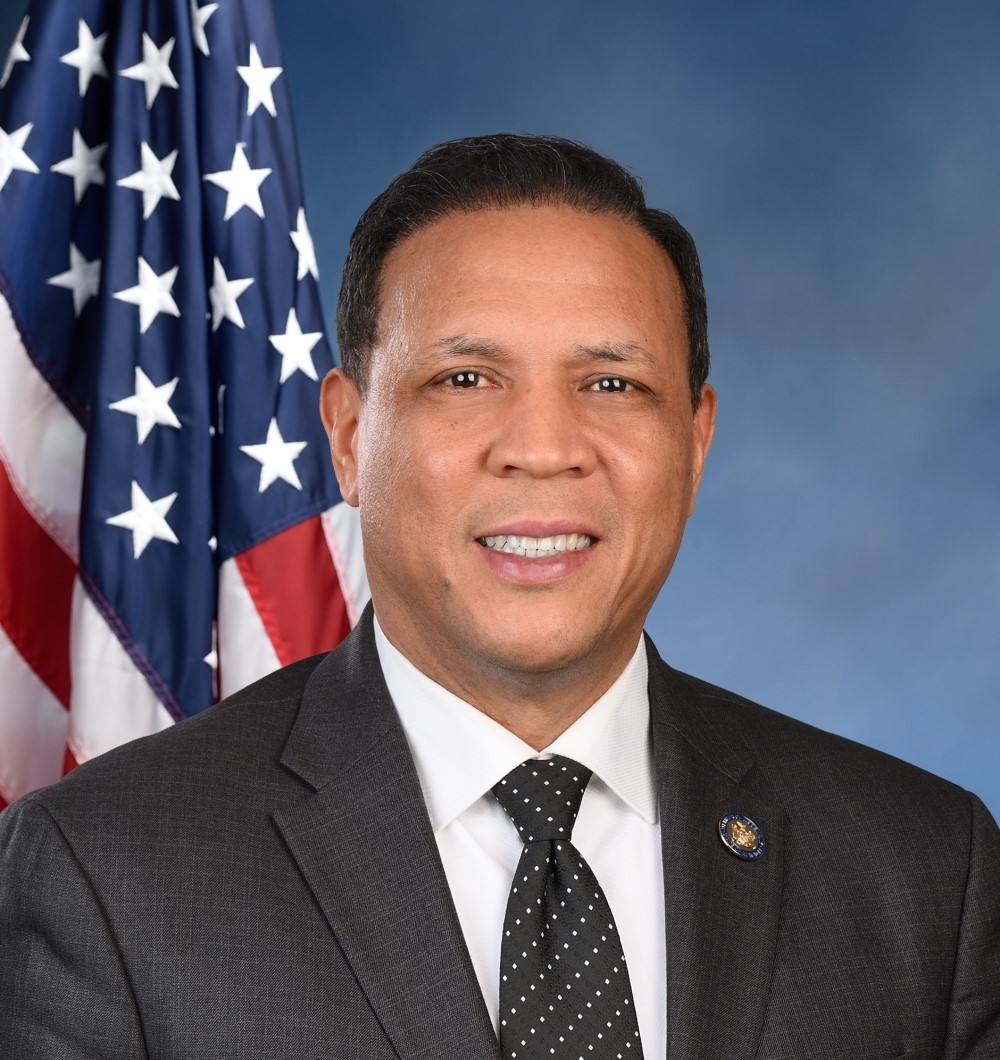
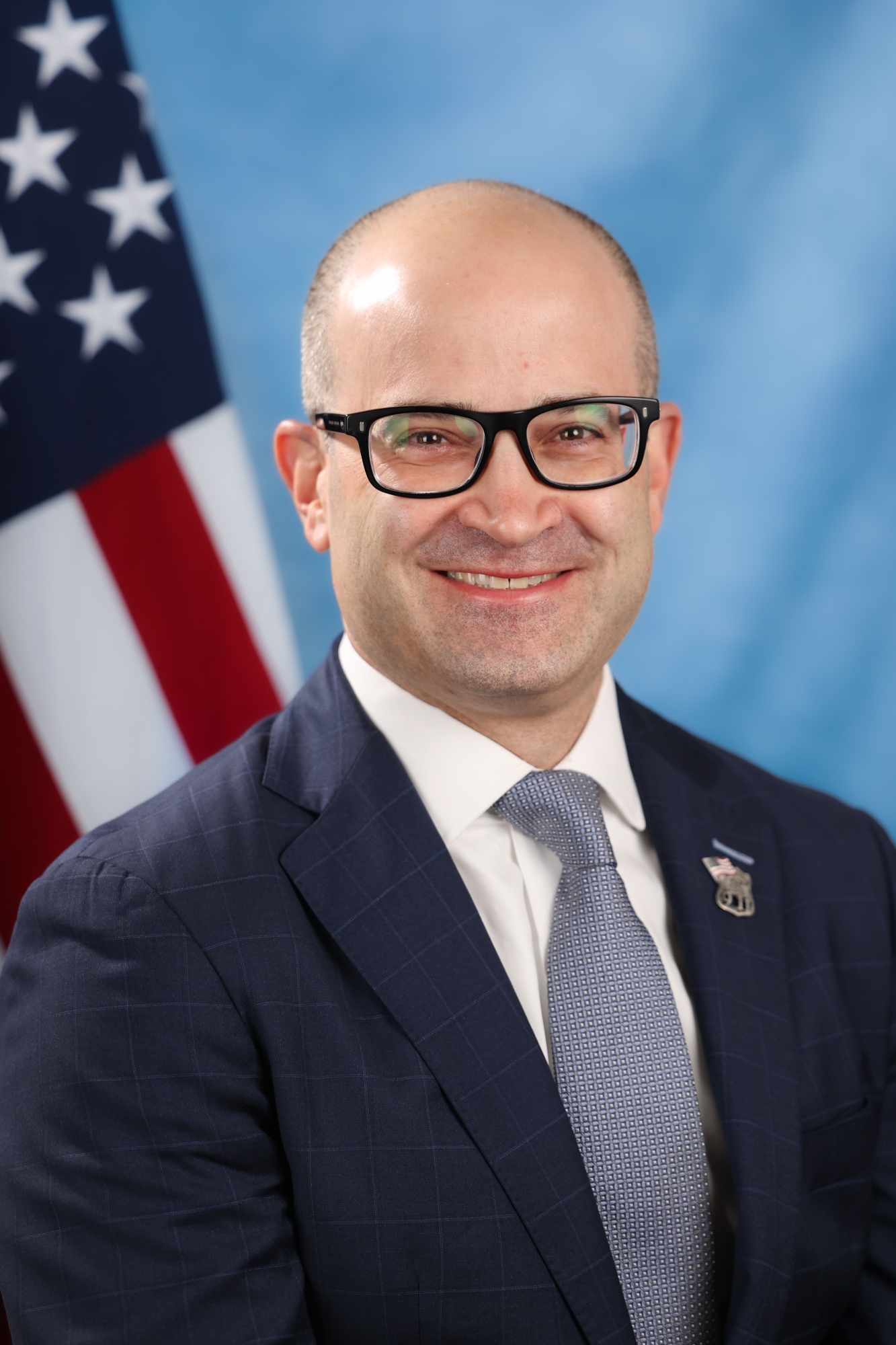
Bill Magnarelli
Bill Magnarelli House · District 129
D
Strong +
100% 27
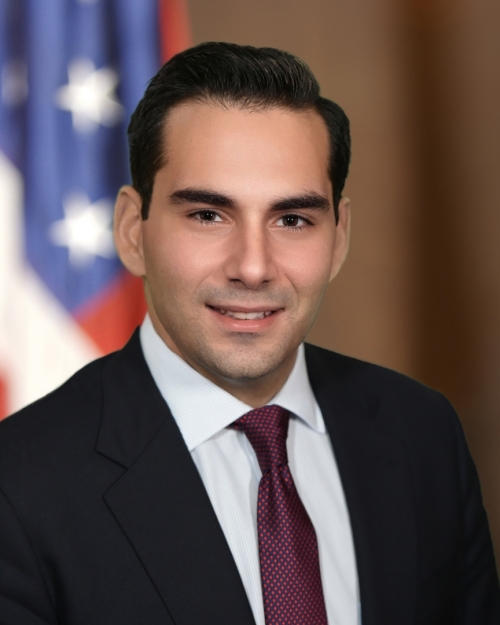
George Alvarez
George Alvarez House · District 78
D
Strong +
100% 27
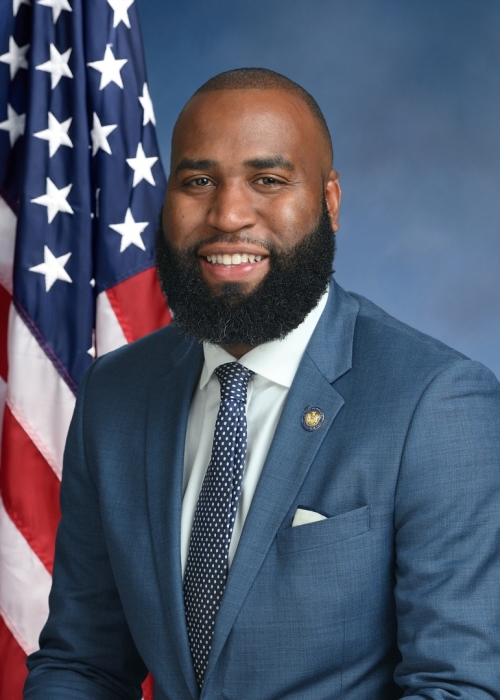
Brian Cunningham
Brian Cunningham House · District 43
D
Strong +
100% 25
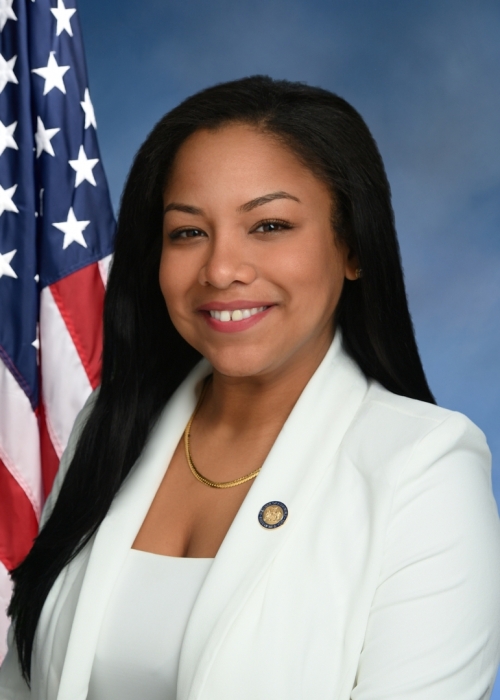
Amanda Septimo
Amanda Septimo House · District 84
D
Strong +
100% 24
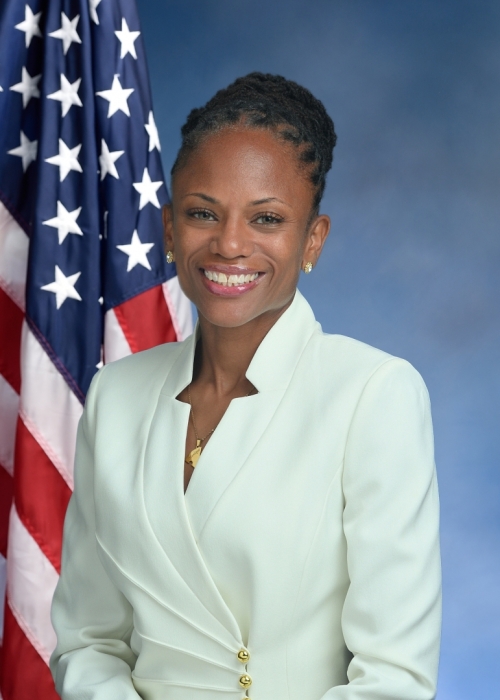
Monique Chandler-Waterman
Monique Chandler-Waterman House · District 58
D
Strong +
100% 24
Chris Tague
Chris Tague House · District 102
R
Strong −
4% 28
Dave DiPietro
Dave DiPietro House · District 147
R
Strong −
4% 28
Chris Friend
Chris Friend House · District 124
R
Strong −
4% 26
Ed Ra
Ed Ra House · District 19
R
Strong −
7% 28
Jarett Gandolfo
Jarett Gandolfo House · District 7
R
Strong −
7% 28
Showing 11–12 of 12 bills

All criminal justice bills

signed · New York · Senate Oct 16, 2025

S 2551: Increases the fines imposed on a corporation for an offense defined within the penal law

This bill increases maximum fines for corporations convicted of crimes under New York's criminal law. It raises the top fine for felony convictions from $10,000 to $80,000 and for certain serious misdemeanors from $5,000 to $40,000. For offenses where fines are based on corporate gain, the maximum now triples that gain amount. Signed into law in October 2025, it directly affects corporations found guilty of criminal offenses in New York.
passed · New York · Senate Apr 24, 2025

S 3831: Relates to removing the ten year time period from the crime of persistent sexual abuse

Bill S 3831 amends the state's penal law regarding the crime of persistent sexual abuse. Currently, a person can be charged with persistent sexual abuse if they commit certain sexual abuse offenses and have two or more prior convictions for similar crimes within a ten-year period, excluding time incarcerated. This bill removes that ten-year time limit for prior convictions. As a result, any qualifying past convictions, regardless of when they occurred, would count towards a charge of persistent sexual abuse, affecting how individuals with multiple past sexual abuse convictions are prosecuted for subsequent offenses.
Showing 11 to 12 of 12 bills