Issue · Budget & Taxes

Budget & Taxes (Audits & Accountability)

Every budget & taxes bill, vote, and legislator stance in New York, automatically classified by Maddy, our AI policy reader.

Total bills
139
2025 Regular Session
Top supporter
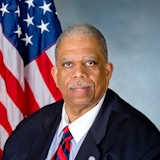
Leroy Comrie
100% support rate
Top opponent
George Borrello
33% support rate
Ranked legislators
9
5 support · 4 oppose
Key legislators

Who's moving audits & accountability in New York

Legislators moving audits & accountability in New York
Legislator Party Stance Support rate Votes
Leroy Comrie
Leroy Comrie Senate · District 14
D
Strong +
100% 3
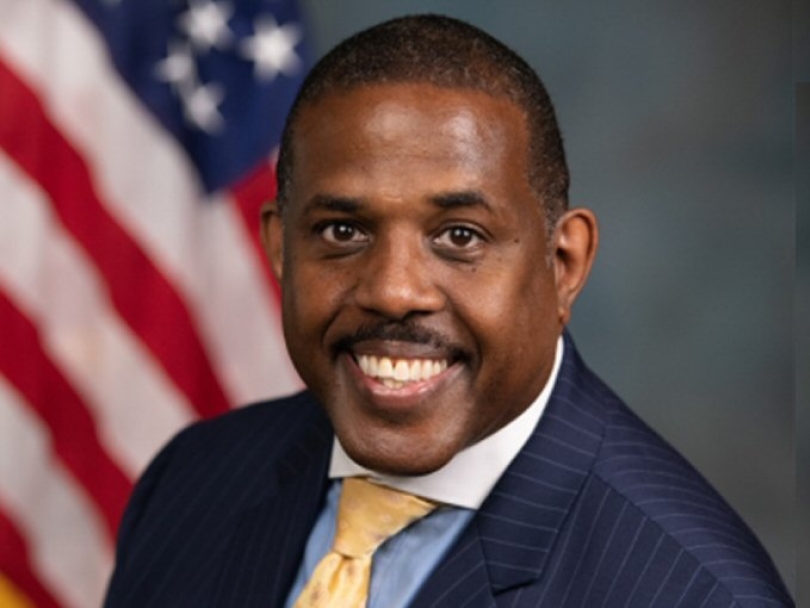
Kevin Parker
Kevin Parker Senate · District 21
D
Support
75% 4
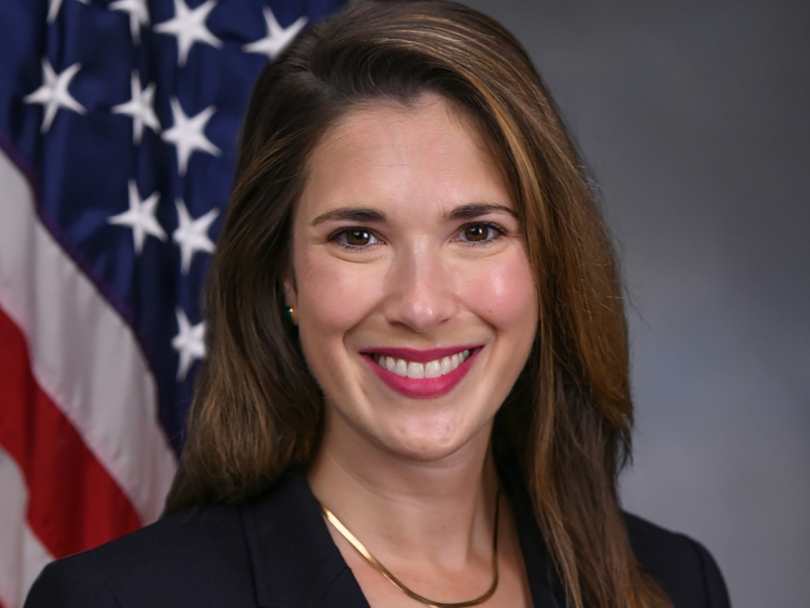
Michelle Hinchey
Michelle Hinchey Senate · District 41
D
Support
75% 4
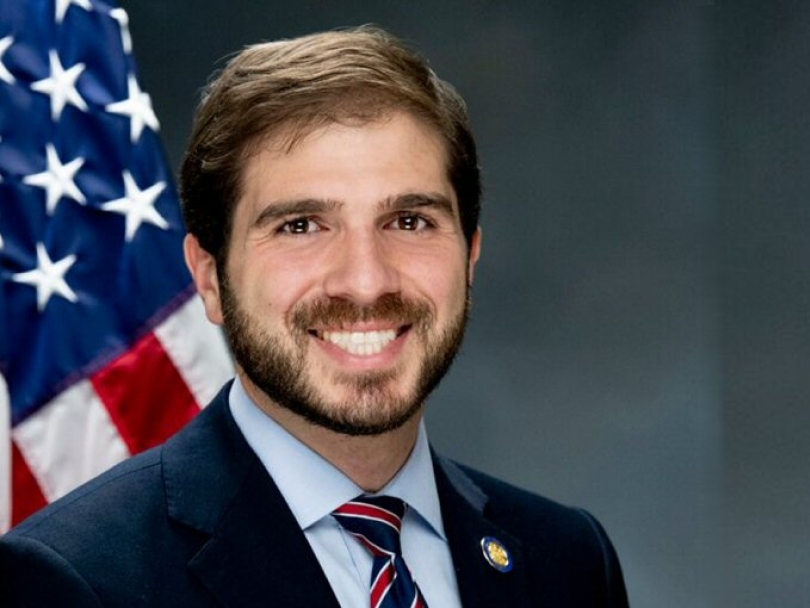
Andrew Gounardes
Andrew Gounardes Senate · District 26
D
Support
67% 3
Bill Weber
Bill Weber Senate · District 38
R
Support
67% 3
George Borrello
George Borrello Senate · District 57
R
Oppose
33% 3
Joe Griffo
Joe Griffo Senate · District 53
R
Oppose
33% 3
Pam Helming
Pam Helming Senate · District 54
R
Oppose
33% 3
Patrick Gallivan
Patrick Gallivan Senate · District 60
R
Oppose
33% 3
Showing 121–130 of 139 bills

All budget & taxes bills

in committee · New York · Assembly Jan 7, 2026

A 8402: Relates to the enforcement of taxes in certain school districts

This bill amends the process for handling unpaid school taxes. It clarifies that school districts receive 50% of unpaid taxes from the county treasurer and the other 50% from the state comptroller. The key change is that the county treasurer will then repay the state's 50% share through eleven monthly installments, ensuring the state is fully reimbursed by March 1st of the following year. This affects how county treasurers and the state manage payments for unpaid school taxes.
in committee · New York · Senate Jan 7, 2026

S 204: Relates to appointing a fiscal monitor for the metropolitan transportation authority

S 204 appoints a fiscal monitor for five years to oversee the New York State Metropolitan Transportation Authority's (MTA) finances. The monitor, appointed by the governor and paid by the state, reviews the MTA's budget, debt, procurement, and internal controls, then makes recommendations to improve financial management. The monitor attends MTA board meetings (without voting), accesses all necessary documents, and reports annually to the governor, legislature, and public on the MTA's financial performance. This directly affects the MTA's fiscal operations and accountability, with the monitor's role ending after five years.
in committee · New York · Senate Feb 3, 2026

S 3922: Requires two-thirds vote of legislature for any change in tax rates, budget bills and appropriations

Requires approval by 2/3 vote of membership of the senate and assembly voting separately to increase or decrease any tax rate, impose a new state tax, extend or delete existing state tax.
in committee · New York · Senate Jan 7, 2026

S 1979: Requires detailed fiscal impact notes on certain legislation

Requires detailed fiscal impact notes on certain legislation stating the estimated annual cost to the political subdivision affected and the source of such estimate; provides that bills will be invalidated if the funding source is not provided or the fiscal impact results in an annual net additional cost in excess of $10,000.
in committee · New York · Senate Jan 7, 2026

S 3438: Relates to enacting a balanced budget requirement and creates the New York state governmental accounting review board

This bill requires New York State to balance its annual budget (excluding capital projects) starting April 1, 2026, using standard accounting principles. It creates the New York State Governmental Accounting Review Board to help the governor and legislature implement this requirement, handle requests for budget exemptions, and manage transitions if compliance would disrupt essential services. The board, composed of five accounting experts appointed by the governor, will review budget submissions and ensure they align with generally accepted accounting principles. This directly affects how the state government prepares and passes its annual budget, requiring all revenue and expenditure estimates to be reported under standardized accounting rules.
in committee · New York · Assembly Jan 7, 2026

A 7524: Relates to lump sum appropriation allocation reform

Relates to establishing the lump sum allocation advisory committee (Part A); relates to requiring transparency, identification and disclosure of certain appropriations (Part B); relates to withholding the salaries of the governor, agency commissioners and deputy commissioners for failing to meet certain reporting deadlines (Part C); relates to creating a tax rate reduction board to look at personal income tax and corporate franchise tax rates (Part D); relates to conducting an audit of all state economic development programs (Part E); relates to prohibiting certain political contributions by individuals appointed to entities that oversee lump sum appropriations (Part F); relates to prohibiting certain third party contracts (Part G).
in committee · New York · Senate Jan 7, 2026

S 472: Enacts the "truth in spending act"

S 472, the "Truth in Spending Act," requires state officials to disclose details before funding allocations. It mandates that governors and legislators requesting funds provide a project description, sign a conflict-of-interest form (if they received $4,000+ in donations from the recipient in the past five years), and confirm no conflicts exist. The bill also requires public posting of all funding details - including recipient names, project descriptions, and requesting officials - 72 hours before budget approval, and obligates recipients to certify proper fund use under penalty of perjury. These provisions directly affect state lawmakers, the governor, and organizations seeking state funding, aiming to increase transparency in how public money is distributed.
Sub-Topics Appropriations Audits & Accountability State Budget Tags Government Transparency
in committee · New York · Assembly Jan 7, 2026

A 4301: Creates the legislative office of fiscal transparency; requires fiscal notes on proposed rules and executive orders affecting political subdivisions

Creates the legislative office of fiscal transparency; requires fiscal notes on proposed rules and executive orders affecting political subdivisions; requires legislative committee approval of certain proposed rules; requires the comptroller to make monthly reports to the legislative office of fiscal transparency.
Sub-Topics Audits & Accountability State Budget Tags Government Transparency
in committee · New York · Assembly Jan 7, 2026

A 4771: Relates to withholding the governor and lieutenant governor's salaries until the legislative passage of the budget occurs

This bill requires that the governor and lieutenant governor's bi-weekly salary payments be withheld if the legislature has not passed a budget by the start of a fiscal year. Payments resume and any withheld amounts are paid in full once the budget is approved. The bill defines "legislative passage of the budget" as both houses of the legislature acting on the governor's budget proposal, with the comptroller confirming it covers state operations for the coming year. It directly affects the governor and lieutenant governor by linking their salary payments to the timely passage of the state budget.
in committee · New York · Senate Jan 7, 2026

S 1956: Requires the estimated cost of mandated expenditures and appropriations within the body of the bill

This bill requires all legislation that creates or changes government spending to include the estimated cost of those expenditures directly within the bill text. It applies to any bill that enacts or amends spending or appropriations, affecting all legislators drafting such bills. The key provision mandates that the estimated cost must be stated plainly in the body of the bill itself, rather than in separate documents. This change aims to increase transparency about spending impacts before a bill is considered. The bill does not alter spending policies but changes how cost information is presented to lawmakers and the public.
Showing 121 to 130 of 139 bills