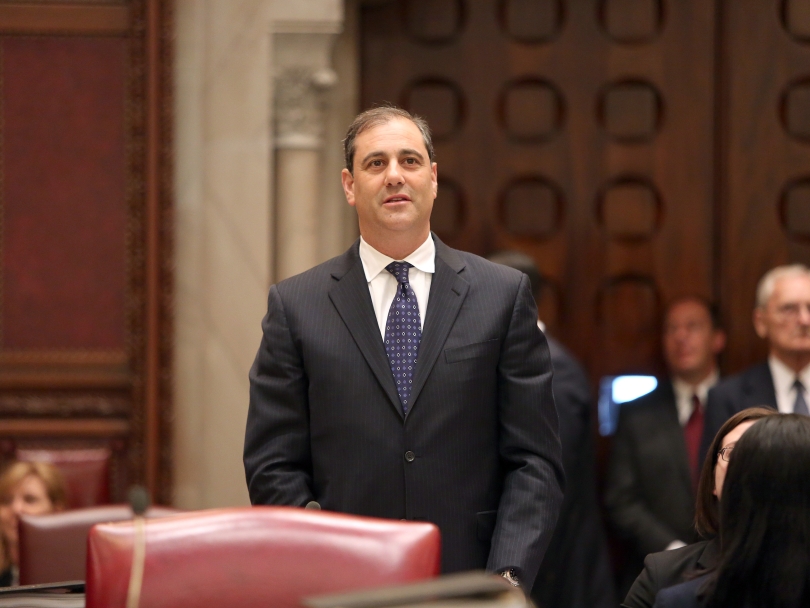
Bill A 7406 extends the existing occupancy tax in the Village of Rye Brook until September 1, 2027. This tax applies to short-term rentals like hotels and motels within Rye Brook. The bill updates the expiration date from 2025 to 2027, ensuring the tax continues without interruption for affected businesses.
This bill extends Tompkins County's authority to collect an additional 1% sales tax (on top of existing rates) through November 30, 2027. It directly affects residents and businesses in Tompkins County, as the tax applies to most retail purchases within the county. The change updates the expiration date from 2025 to 2027 in the state tax law, maintaining the county's existing tax structure without altering the rate or scope.
Extends the effectiveness of certain sections of law relating to real property tax exemptions for real property owned by volunteer firefighters and volunteer ambulance workers.
This bill extends the expiration date of North Castle's existing occupancy tax from 2025 to 2027. It directly affects the town of North Castle, which collects the tax from short-term rentals and hotels, and the property owners/hotels paying the tax. The key mechanism is amending Section 2 of the 2016 law to change the tax's expiration date from September 1, 2025, to September 1, 2027. The bill does not create new taxes or alter tax rates, only extends the current tax's operational period. It was signed into law as Chapter 227 on August 7, 2025.
This bill extends Wayne County's existing 1% additional sales tax (on top of the standard 3% rate) through 2027. It directly affects residents and businesses in Wayne County who pay sales tax on goods and services. The key provision modifies tax law to extend the tax period from December 1, 2025, to November 30, 2027. The bill was signed into law as Chapter 253 on August 7, 2025.
This bill extends Suffolk County's authority to impose an additional 1% sales and compensating use tax on top of its existing 3% rate, effective from June 2021 through November 2027. It directly affects residents and businesses in Suffolk County that pay sales tax, as the additional revenue will fund county services. The bill mandates that at least 1/8 (12.5%) and no more than 3/8 (37.5%) of the net collections from this tax must be allocated to public safety, with the remainder deposited into the county's general fund.
This bill extends an existing property tax rule in Clarkstown, Rockland County, for one additional year. It limits how much the tax rate for specific property classes can change annually - capping increases at 1% compared to the previous year's rate. The rule applies to Clarkstown's tax assessments for the 2024-2025 and 2025-2026 tax years, continuing a policy already in place since 2017. This affects Clarkstown property owners whose tax classifications are adjusted under this cap. The change is procedural, maintaining current tax assessment limits without altering broader tax policy.
This bill extends Westchester County's existing 1% additional sales and use tax, which is in addition to New York State's 4% rate, until November 30, 2027. It directly affects residents and businesses in Westchester County who pay sales tax on goods and services. The extension modifies existing tax law to update the expiration date from 2025 to 2027, maintaining the current tax structure without changing the rate or revenue allocation mechanisms.
Extends the authorization of the town of Mount Pleasant to adopt a local law to impose a hotel/motel occupancy tax for hotels not located in a village to September 1, 2027.
This bill creates tax credits for businesses relocating to New York City (population over 1 million) from outside New York State. It requires qualifying businesses to maintain a minimum number of employee work hours at eligible locations (10,000+ square feet in NYC) and obtain annual city certifications from the mayor or designated agencies. Businesses must document eligibility, including proof of relocation after July 2025 and meeting specific employment thresholds, with new applications barred after July 1, 2028. The policy directly affects businesses moving operations to NYC, offering tax relief tied to sustained local employment.