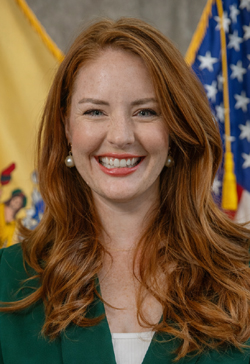
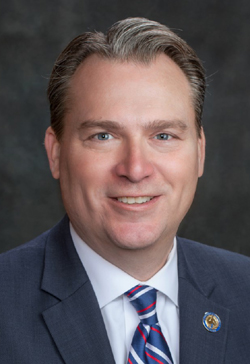
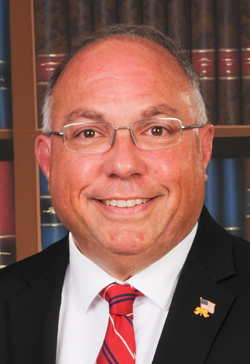
Key legislators
Who's moving housing in New Jersey
Showing 4 of 4
bills
All housing bills
This bill authorizes the New Jersey Housing and Mortgage Finance Agency to provide reimbursements to qualified counselors for offering pre-purchase homebuyer counseling services. By expanding the existing Foreclosure Mediation Assistance Program, the legislation aims to help potential homebuyers avoid future financial difficulties before they occur. The funding mechanism involves a dedicated state account that reimburses counselors for their work, which also continues to support pre-foreclosure and disaster-related assistance. This change applies to homeowners and renters who receive guidance from trained professionals to prevent mortgage delinquency and foreclosure.
This bill, titled the "End Data Center Tax Credits Act," sets a combined nine-year spending cap of $11.5 billion for various state tax credit programs, including those for economic recovery, arts, and manufacturing. It specifically reduces the amount of credits available under the Next New Jersey Program and directs $200 million of those credits to a housing agency through competitive auctions. Additionally, the legislation authorizes the Board of Public Utilities to issue tax credits for energy storage projects and creates a temporary income tax credit for certain residential electricity customers.
This bill clarifies that a "mortgage loan" refers specifically to loans made primarily for personal, family, or household purposes, secured by residential properties (1-6 dwelling units). It directly affects homebuyers and renters with standard mortgages by exempting these loans from prepayment penalties, meaning borrowers can pay off their loans early without extra fees. The key mechanism updates the legal definition to ensure consumer loans (not commercial ones) cannot include prepayment penalties, while allowing such fees for commercial mortgage loans. This applies to all new mortgage loans entered into after the bill's effective date.
This bill requires New Jersey's Bureau of Housing Inspection to create a 24/7 toll-free hotline and a statewide database for public housing residents to report health, safety, or living condition issues. The hotline must offer English and Spanish support, protect caller anonymity, and provide referrals. The database will track verified complaints by facility, complaint types, corrective actions taken, and response times, then publish this data online for public access. It directly affects residents in public housing covered under the federal Housing Act of 1937, aiming to improve transparency and accountability in addressing housing conditions.