Issue · Environment

Environment

Every environment bill, vote, and legislator stance in New Jersey, automatically classified by Maddy, our AI policy reader.

Total bills
198
119th Congress
Top supporter
Andy Kim
76% support rate
Top opponent
Thomas H. Kean, Jr.
26% support rate
Ranked legislators
8
5 support · 3 oppose
Key legislators

Who's moving environment in New Jersey

Legislators moving environment in New Jersey
Legislator Party Stance Support rate Votes
Andy Kim
Andy Kim Senate
D
Support
76% 235
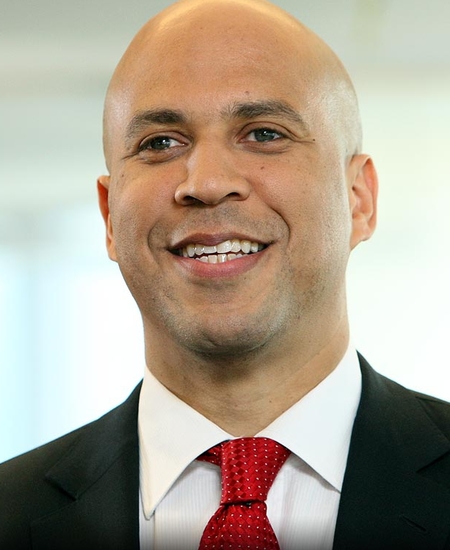
Cory A. Booker
Cory A. Booker Senate
D
Support
73% 229
Frank Pallone, Jr.
Frank Pallone, Jr. House · District 6
D
Support
65% 306
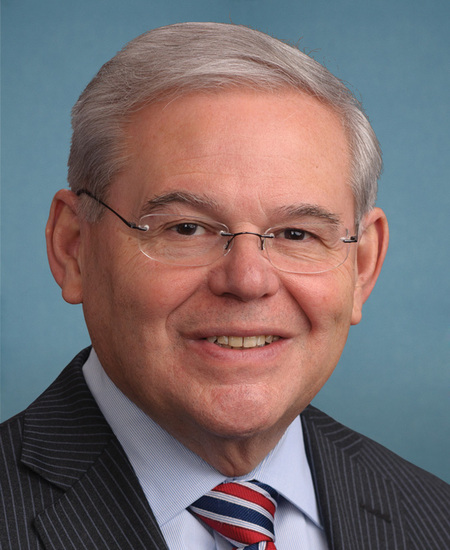
Robert Menendez
Robert Menendez House · District 8
D
Support
64% 306
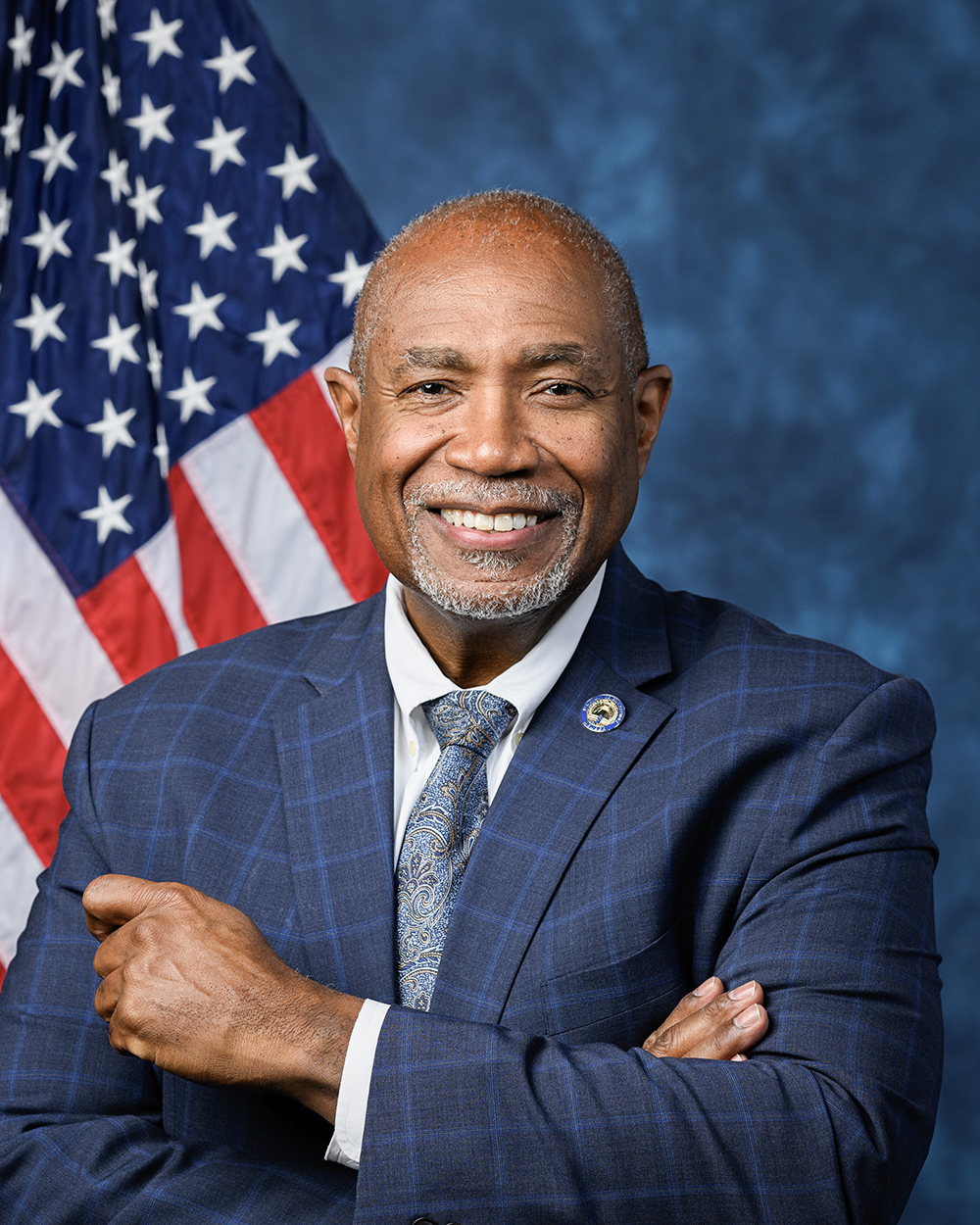
Herbert C. Conaway, Jr.
Herbert C. Conaway, Jr. House · District 3
D
Support
64% 299
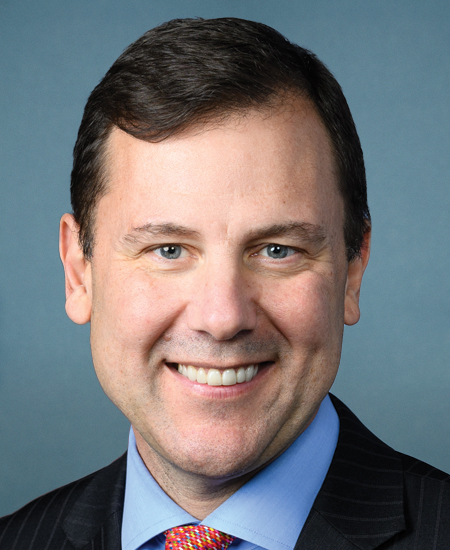
Thomas H. Kean, Jr.
Thomas H. Kean, Jr. House · District 7
R
Oppose
26% 238
Christopher H. Smith
Christopher H. Smith House · District 4
R
Oppose
35% 306
Jefferson Van Drew
Jefferson Van Drew House · District 2
R
Oppose
39% 303
Showing 1–10 of 198 bills

All environment bills

in committee · United States · House Sep 10, 2026

HRES 1524: Expressing support for the designation of the week of September 19 through September 26, 2026, as "National Estuaries Week".

This House resolution expresses support for designating the week of September 19 through September 26, 2026, as National Estuaries Week to raise public awareness about the importance of these coastal ecosystems. The bill highlights that estuaries support a significant portion of the U.S. population and economy while providing critical services such as flood control, water filtration, and habitat for fish and wildlife. It acknowledges ongoing threats to estuary health, including pollution and sea level changes, and recognizes the efforts of government agencies, organizations, and individuals working to protect and restore these areas.
in committee · United States · House Jul 23, 2026

HR 9901: To provide that the final rule of the United States Fish and Wildlife Service and National Oceanic and Atmospheric Administration titled "Rescinding the Definition of 'Harm' Under the Endangered Species Act" shall have no force or effect.

This bill would invalidate a final rule issued by the U.S. Fish and Wildlife Service and the National Oceanic and Atmospheric Administration that rescinded the definition of "harm" under the Endangered Species Act. By declaring that the 2026 rule has no force or effect, the legislation aims to restore the previous legal interpretation of how actions can harm protected species. This change directly affects entities subject to the Endangered Species Act by reinstating the broader regulatory framework for protecting endangered and threatened wildlife.
in committee · United States · House Aug 6, 2026

HR 10063: Green New Deal for Public Housing Act

The Green New Deal for Public Housing Act directs the Department of Housing and Urban Development to provide grants to public housing agencies and tribal entities for the comprehensive rehabilitation, energy upgrades, and modernization of public housing stock. These funds are intended to transform properties into zero-carbon homes by installing renewable energy systems, electrifying appliances, and repairing infrastructure, while also establishing workforce development programs that offer training, apprenticeships, and stipends to residents and local low-income workers. The bill mandates strict labor standards, including prevailing wages and the use of U.S.-made materials, and requires agencies to maintain or increase the total number of public housing units while prioritizing resident participation through elected councils and community engagement processes.
in committee · United States · Senate Aug 6, 2026

S 5284: Green New Deal for Public Housing Act

The Green New Deal for Public Housing Act directs federal funds to public housing agencies and tribal entities to rehabilitate, modernize, and electrify the nation's public housing stock into zero-carbon homes within ten years. The bill establishes grant programs that require recipients to conduct deep energy retrofits, install renewable energy systems, upgrade water quality infrastructure, and provide high-speed internet access to residents. In exchange for these funds, agencies must commit to maintaining their total number of housing units, ensuring displaced residents can return to their original projects, and adhering to strict labor standards that prioritize hiring low-income individuals and supporting resident-owned businesses. Additionally, the legislation strengthens tenant participation by mandating the formation of elected resident councils in larger developments and providing stipends for volunteer officers who help manage community operations.
in committee · United States · House Aug 10, 2026

HR 10073: Critically Endangered Animals Conservation Act of 2026

The Critically Endangered Animals Conservation Act of 2026 establishes a dedicated fund within the existing Multinational Species Conservation Fund to provide competitive grants for the protection of animal species classified as endangered or critically endangered by the International Union for Conservation of Nature. The Secretary of the Interior will manage this program, awarding financial assistance to foreign wildlife authorities and qualified organizations to support projects such as habitat restoration, illegal trade enforcement, and scientific research aimed at recovering wild populations outside the United States. To ensure accountability and effectiveness, grant recipients must submit periodic progress reports that are generally made available to the public, while specific restrictions prohibit the use of funds for captive breeding unless it is strictly necessary for releasing animals back into the wild. The legislation authorizes $5 million per year in appropriations from fiscal years 2027 through 2032 and requires the Secretary to report on the program's results to Congress every two years.
Sub-Topics Conservation Wildlife
in committee · United States · Senate Jul 30, 2026

S 5182: Tracking Plastic Act of 2026

The Tracking Plastic Act of 2026 creates a Federal working group to develop recommendations for tracking recycled plastic content across various industries. This group will include representatives from federal agencies, academic institutions, and industry stakeholders, with the National Institute of Standards and Technology leading the effort. The working group is tasked with proposing standardized measurements for data collection, designing a federal tracking system to help align state requirements, and considering ways to improve trade data clarity and monitor toxic chemicals in recycled plastics. The group must submit annual reports to Congress and will operate for up to ten years until it completes its duties.
Sub-Topics Recycling
in committee · United States · Senate Jul 27, 2026

S 5134: Green New Deal for Health Act

The Green New Deal for Health Act establishes a comprehensive federal framework to address the intersection of climate change and public health by creating new offices, expanding funding, and mandating specific actions across the health care sector. It directly affects hospitals, health care providers, medical manufacturers, health professions schools, and communities identified as environmentally or medically underserved. Key provisions include establishing an Office of Climate Change and Health Equity to develop a national strategic action plan, requiring hospitals to provide detailed notifications and mitigation plans before discontinuing services or closing, and offering grants to modernize medical facilities for climate resilience. The bill also mandates that the health care sector disclose climate risks associated with medical supplies, expands Medicare coverage for home resiliency services like heat pumps for vulnerable patients, and allocates billions in funding to train health workers on climate-related health risks. Additionally, the legislation creates a research initiative to study climate impacts on health and establishes requirements for green, zero-emission medical manufacturing and supply chains.
in committee · United States · House Jul 13, 2026

HR 9655: FAIR Data Act

The FAIR Data Act prevents investor-owned electric utilities from passing the costs of large data centers onto residential and small business customers through higher rates. This rule applies specifically to data centers with a peak power demand exceeding 75 megawatts, excluding upgrades to the power grid made to support these facilities. State regulators are required to review and implement this cost-recovery restriction within a year, while the Department of Energy must verify that states comply before receiving federal administrative funds. Additionally, the Federal Energy Regulatory Commission will submit an annual report to Congress detailing how these data centers impact electricity rates and grid reliability.
Sub-Topics Electric Grid
in committee · United States · Senate Jun 24, 2026

S 4935: Next Generation Shipping Act

The Next Generation Shipping Act establishes a $10 billion federal program to fund the research, development, and deployment of zero-emission vessels and clean alternative fuel technologies for the maritime industry. Administered by the Department of Transportation, the program provides grants, low-interest loans, and loan guarantees to eligible entities such as ship owners, manufacturers, and port authorities, while explicitly prohibiting funding for automated vessel systems. The legislation also creates an advisory committee composed of representatives from labor, academia, environmental groups, and industry to guide the program and ensure it addresses technology gaps and environmental justice concerns. Additionally, the act mandates that projects receiving funding utilize prevailing wage standards and encourages the use of community benefits agreements to support local workforces and communities.
Sub-Topics Ports
in committee · United States · House Jul 30, 2026

HR 9987: Recycling Infrastructure and Data Accountability Act

The Recycling Infrastructure and Data Accountability Act directs the Environmental Protection Agency to study the feasibility of creating a national database to track recycling facilities, material flows, and program performance. This study will identify regions with limited access to recycling services, catalog major waste and recycling facilities, and analyze economic barriers that hinder the development of new processing centers. If the EPA determines the project is viable, it must establish and maintain a publicly accessible online database within a year of submitting its final report to Congress. The bill aims to improve transparency and planning for recycling infrastructure without mandating specific construction projects or funding allocations.
Showing 1 to 10 of 198 bills
1 2 3 20 Next