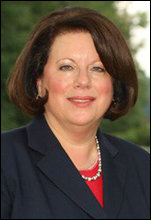
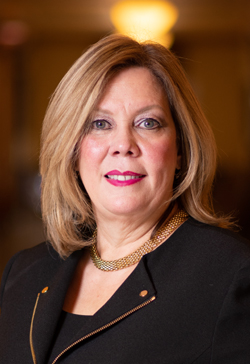
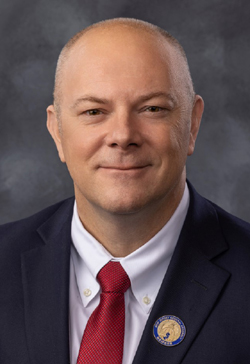
Key legislators
Who's moving education in New Jersey
Showing 31–35 of 35
bills
All education bills
S 1374 requires New Jersey school districts to employ at least one full-time school psychologist per school, with a maximum student-to-psychologist ratio of 500:1. This directly affects all public school students and school districts across New Jersey, mandating staffing levels aligned with national best practices. School districts must apply for federal funds to help implement these requirements. The law takes effect immediately but will first apply in the second full school year after enactment.
S 1106 establishes a state-funded STEM grant program targeting at-risk students (defined as those from households earning at or below 1.85x the federal poverty level) in grades 6-8 across selected school districts. The bill requires participating districts to provide hands-on STEM projects, offer an accelerated learning option for students behind grade level (allowing two years of coursework in one year), and include staff training and classroom resources. It appropriates $2.25 million from the General Fund to the Department of Education, which will partner with the nonprofit Engaged Learning Strategies to administer the program. Districts must already have existing STEM programs meeting specific criteria and must serve at least 60 at-risk students per district. The program aims to expand project-based STEM learning in qualifying schools through direct funding and structured curriculum support.
New Jersey's S 1123 requires all public and nonpublic schools to have at least one FDA-registered portable anti-choking device (a suction-based airway-clearing tool) available in cafeterias, school nurse offices, and similar locations during school hours and events. The devices must be unlocked, easily accessible, and marked with clear signage. Schools must train all nurses and staff in airway management and device use, while the state will reimburse schools for related costs. This bill directly affects school districts and nonpublic schools across New Jersey, aiming to improve emergency response to choking incidents.
S 1376 requires New Jersey public school districts, charter schools, and renaissance school projects that employ a school psychologist and offer in-person counseling to also provide virtual or remote counseling sessions for students in grades K-12. The bill mandates that schools permit remote sessions unless a school psychologist determines in-person counseling is necessary for a student's well-being. Students retain the right to choose in-person sessions if they prefer, and the law defines "school psychologist" as a certified professional with a New Jersey educational services certificate. This policy change ensures continued access to psychological services for students who cannot attend in-person sessions, such as due to health, transportation, or scheduling needs.
S 2243 requires every public college and university in New Jersey to create a menstrual equity task force within six months of the law's effective date. The task force, appointed by each institution's president and including diverse campus stakeholders (students, faculty, housing, health centers, etc.), must develop a detailed plan for free menstrual product access within six months. The plan must cover product needs, distribution locations, costs, and a 12-month implementation timeline. Institutions must implement the approved plan within one year, ensuring equal access to menstrual products while reducing stigma. The bill defines "menstrual equity" as removing barriers to care and addressing stigma around menstruation.