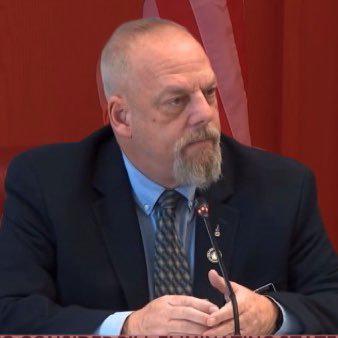
Key legislators
Who's moving labor & employment in New Hampshire
Showing 3 of 3
bills
All labor & employment bills
HB 1484 establishes a new state minimum wage in New Hampshire, starting at $12.00 per hour on September 1, 2026, and increasing incrementally to $14.00 in 2027, $15.50 in 2028, and $17.00 in 2029. It directly affects employers and workers across the state by requiring that all hourly pay meets the higher of the federal minimum wage or these new state rates. The bill sets specific effective dates for each rate increase, with each new rate replacing the previous one until amended by future legislation. The law takes effect on July 1, 2026, with the first rate change beginning September 1, 2026.
HB 1705 establishes a First Responders Support Fund to cover enrollment costs for small town and volunteer first responders into the state’s existing Employee Assistance Program (EAP). It directly affects first responders in communities with no more than 5 full-time paid staff, including volunteer departments. The fund, administered by the Department of Health and Human Services, uses state appropriations (initially $1 for FY 2026-2027) and accepts gifts, grants, or donations to cover EAP enrollment fees. The EAP provides mental health support, including services for PTSD, with the department required to report annually on fund usage and program outcomes. This bill does not create new services but expands access to an existing state EAP for eligible small-community responders.
HB 1043 allows employers to create their own pay policies for employees who report to work at the employer's request, making the existing statutory minimum pay requirement (2 hours' pay at regular rate) apply only if the employer has no alternative policy. It directly affects most private-sector employees who report to work, excluding county/municipal employees and ski resort instructors who receive equivalent alternative compensation. The bill does not change the minimum pay standard but gives employers flexibility to set higher or different policies that meet or exceed the baseline. Employers who make a good-faith effort to notify employees not to report to work are not liable for pay under this section. The bill amends RSA 275:43-a and takes effect 60 days after passage.