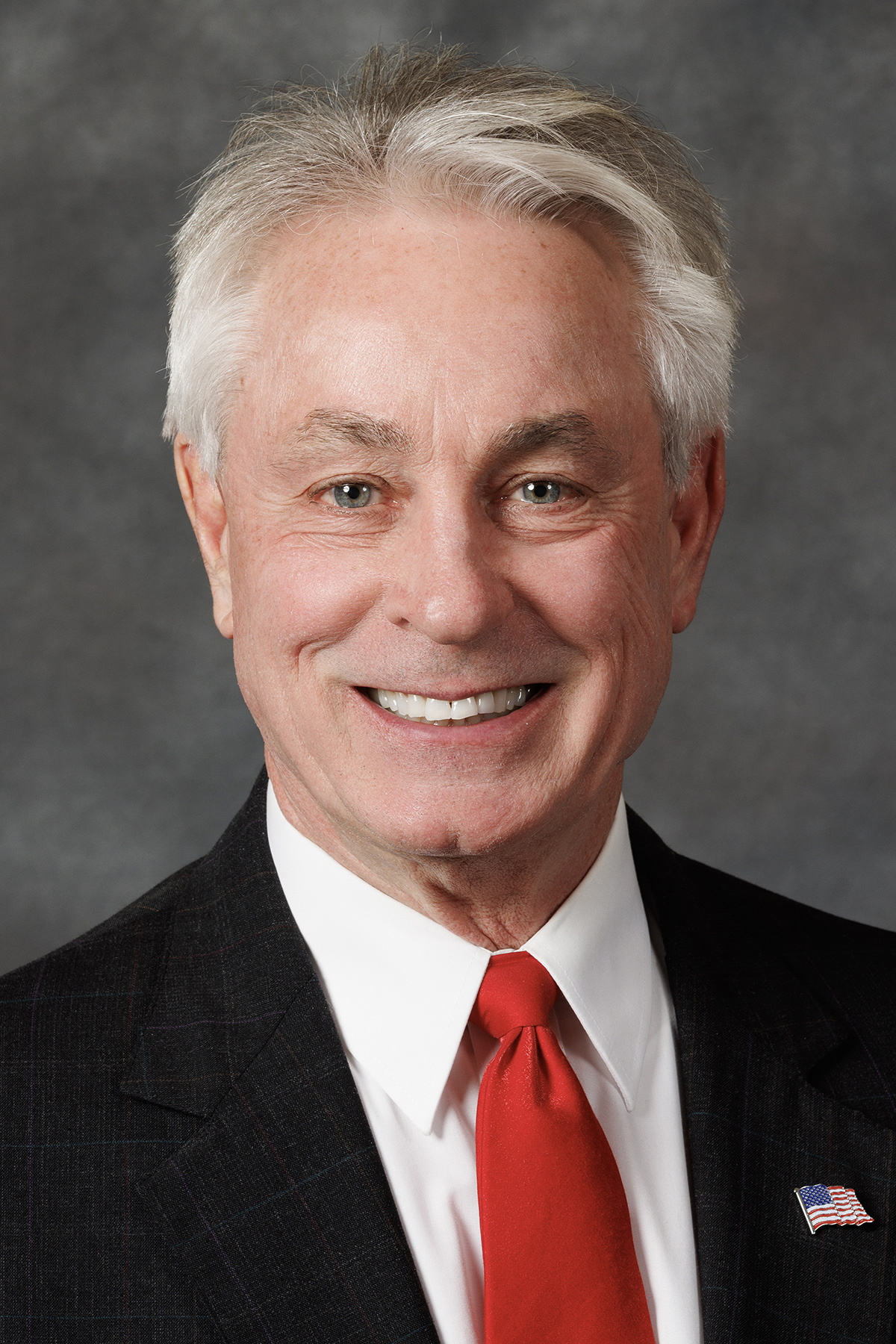
LB 527 creates a Medicaid Access and Quality Fund by imposing a 6% tax on certain health insurance premiums starting January 2026. The fund will increase payments to nonhospital Medicaid providers (like clinics and doctors) to improve access to care, especially for rural patients, pregnant women, and children. It also allocates $75 monthly per patient to primary care providers who serve as medical homes for Medicaid beneficiaries. This directly affects Nebraska Medicaid beneficiaries, healthcare providers, and insurance companies paying the tax.
This bill, LB 195, grants legal immunity to individuals who administer opioid overdose reversal medications (like naloxone or nalmefene) in good faith during an overdose emergency. It directly protects health professionals (doctors, nurses, pharmacists), family members, friends, school staff, emergency responders, and police officers who obtain and use these medications appropriately. Key provisions shield them from criminal prosecution, administrative action, or civil liability when acting reasonably to assist someone experiencing or likely to experience an opioid overdose. The law specifically covers medications approved by the FDA for reversing overdoses, whether obtained via prescription, from a health professional, or over the counter.
This bill establishes minimum training requirements for nurse aides working in Nebraska's intellectual and developmental disability facilities. It mandates a 20-hour training program (including 15 hours of personal care training) for these facilities, compared to 75 hours for other nursing homes. Nurse aides must also meet English proficiency standards and pass background checks. The law replaces prior requirements and creates a registry with mandatory abuse reporting training as part of the curriculum.
This bill modifies Nebraska's requirements for wholesale drug distributors and emergency drug distribution. It exempts distributors participating in the Prescription Drug Donation Program from needing electronic pedigrees (tracking documents) for prescription drugs. The bill also allows the state health department to receive and dispense donated prescription drugs through licensed personnel during a declared state of emergency. These changes directly affect wholesale drug distributors and emergency response operations. The bill repeals the original section it amends and takes effect immediately upon approval.
Nebraska's LB 209 expands property tax exemptions for veterans and their surviving spouses by modifying homestead exemption rules. It also creates a new property tax break for for-profit skilled nursing, nursing, and assisted-living facilities that serve Medicaid beneficiaries. The tax exemption amount for these facilities equals the average percentage of occupied Medicaid beds over the previous three years. This change specifically applies to for-profit facilities - nonprofit facilities serving Medicaid already have separate, full exemptions under current law.
LB 574, introduced in Nebraska in 2025, would have established specific rights for certified firefighters and emergency personnel, including paramedics and EMTs. The bill required formal investigations into complaints against firefighters to follow strict procedures: providing written summaries before interviews, recording all interviews, allowing legal or union representation, and maintaining confidentiality of all records. It also guaranteed firefighters access to mental health services, safe working conditions, and the right to challenge disciplinary actions through grievance processes. The bill further prohibited mandatory polygraph exams and protected firefighters' personal information, while allowing off-duty political activity and access to personnel records. (Note: The bill was withdrawn on February 7, 2025, and did not become law.)