Issue · Criminal Justice

Criminal Justice (Sentencing)

Every criminal justice bill, vote, and legislator stance in Nebraska, automatically classified by Maddy, our AI policy reader.

Total bills
11
109th Legislature (2025-2026)
Top supporter
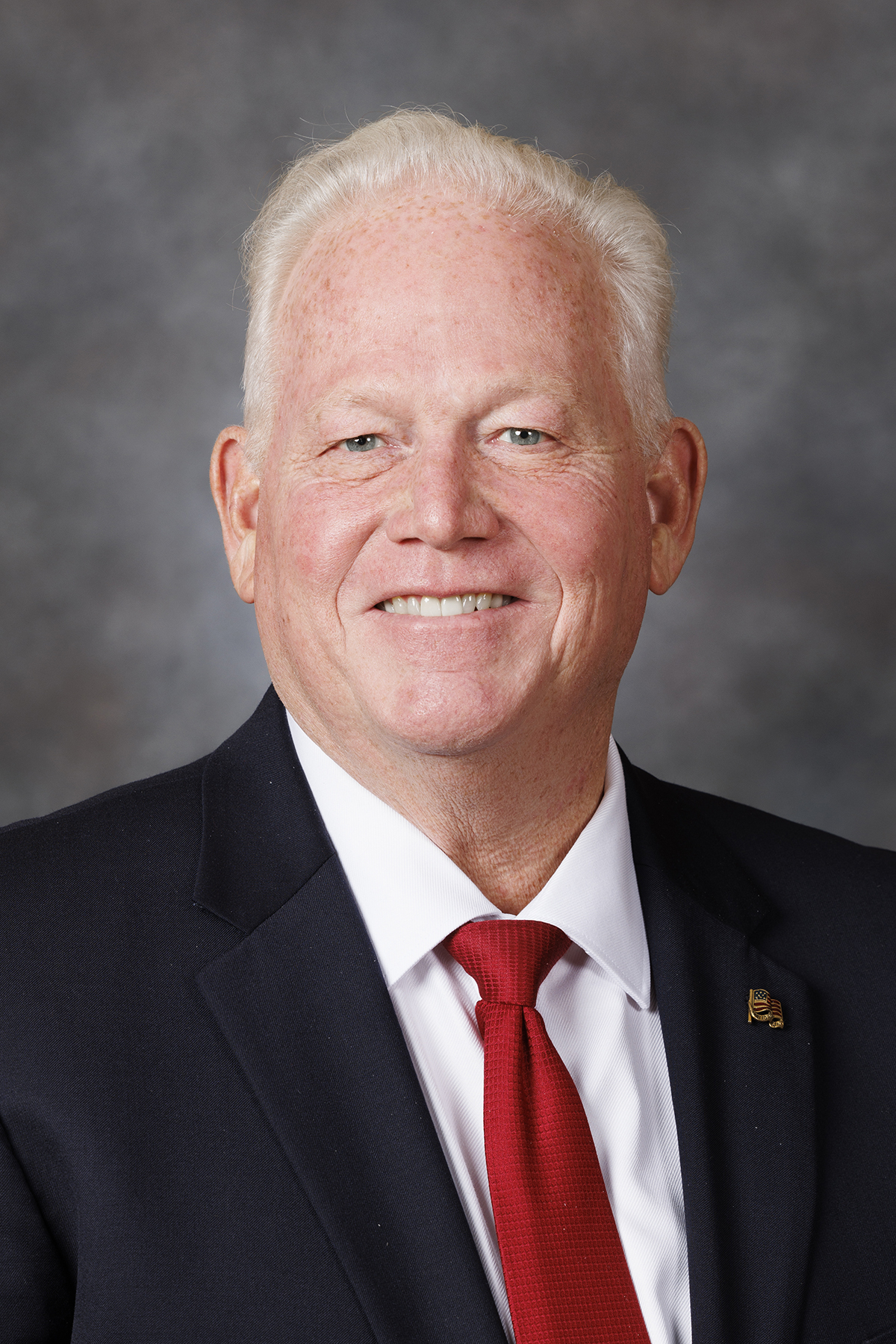
Tom Brandt
73% support rate
Top opponent
Jane Raybould
0% support rate
Ranked legislators
10
5 support · 5 oppose
Key legislators

Who's moving sentencing in Nebraska

Legislators moving sentencing in Nebraska
Legislator Party Stance Support rate Votes
Tom Brandt
Tom Brandt House · District 32
N
Support
73% 11
Barry DeKay
Barry DeKay House · District 40
N
Support
67% 12
Jana Hughes
Jana Hughes House · District 24
N
Support
67% 12
Bob Andersen
Bob Andersen House · District 49
N
Support
62% 13
Bob Hallstrom
Bob Hallstrom House · District 1
N
Support
62% 13
Jane Raybould
Jane Raybould House · District 28
N
Strong −
0% 11
Dan Quick
Dan Quick House · District 35
N
Strong −
0% 10
Dunixi Guereca
Dunixi Guereca House · District 7
N
Strong −
0% 9
Jason Prokop
Jason Prokop House · District 27
N
Strong −
0% 5
John Fredrickson
John Fredrickson House · District 20
N
Strong −
17% 6
Showing 1–10 of 11 bills

All criminal justice bills

signed · Nebraska · Legislature Apr 17, 2026

LB 1181: Change provisions relating to the rights of victims of certain crimes

This bill (LB 1181) strengthens victim involvement in criminal cases by requiring county attorneys to consult with victims before entering plea agreements. It mandates that victim statements be included in presentence reports and standardizes the definition of "victim" across related Nebraska statutes. The bill repeals outdated sections (29-119 and 29-120) and harmonizes provisions related to victim rights and sentencing procedures. These changes directly affect crime victims, county attorneys, and courts handling felony and misdemeanor cases.
died · Nebraska · Legislature Apr 17, 2026

LB 1079: Change provisions relating to the habitual criminal enhancement for theft offenses

This bill changes Nebraska's sentencing rules for repeat offenders convicted of certain theft-related crimes. It raises the minimum prison term from 10 years to 25 years for individuals convicted of specific theft offenses (like shoplifting or property crimes listed in the bill) who have prior felony convictions for similar offenses. The bill creates new sentencing categories based on the type of current and prior offenses, including a reduced 3-year minimum for some repeat property crime convictions. It replaces the existing law and applies to people convicted of theft crimes with prior felony convictions in Nebraska or other jurisdictions.
Sub-Topics Corrections Sentencing
died · Nebraska · Legislature Apr 17, 2026

LB 818: Change provisions relating to penalties for domestic assault and assault by strangulation or suffocation

This bill amends Nebraska statutes to increase penalties for domestic assault and assault by strangulation or suffocation. Specifically, it upgrades domestic assault in the third degree (causing bodily injury to an intimate partner) to a Class IIIA felony upon a second conviction (Section 28-323(14)), and changes strangulation assault to a Class IIA felony if the offender has a prior conviction for a similar offense (Section 28-310.01(4)). These changes directly affect individuals convicted of these crimes who have prior similar offenses, raising the severity of penalties for repeat violations. The bill focuses on adjusting criminal sentencing classifications without altering definitions or introducing new programs.
died · Nebraska · Legislature Apr 17, 2026

LB 817: Enhance penalties for certain controlled substance offenses involving fentanyl

LB 817 increases penalties for certain drug offenses involving fentanyl by amending Nebraska's controlled substances laws. It enhances penalties for individuals convicted of distributing or possessing fentanyl, raising the felony classification for these offenses beyond standard penalties. This directly affects people convicted of fentanyl-related drug crimes in Nebraska, particularly those involving distribution near schools or to minors. The bill harmonizes existing penalties and specifically targets fentanyl offenses by applying stricter sentencing under sections 28-416, 28-1354, and 28-1701. The key change is a mandatory penalty enhancement when fentanyl is the controlled substance involved in the offense.
Sub-Topics Drug Policy Sentencing
died · Nebraska · Legislature Apr 17, 2026

LB 350: Change provisions relating to commitment for restoration of competency to stand trial or for sentencing and require filing of certain documents with the court or appropriate tribal official under the Nebraska Mental Health Commitment Act and the Sex Offender Commitment Act

LB 350 amends Nebraska's Mental Health Commitment Act and Sex Offender Commitment Act to streamline competency restoration processes. It requires the Department of Health and Human Services to file treatment plans with courts or tribal officials within 21 days, and mandates regular court hearings every 60 days to review a defendant's progress. The bill also establishes a $100 daily reimbursement rate for counties housing defendants in jail for competency treatment (after 30 days), adjusted annually by the Consumer Price Index. This affects defendants awaiting competency restoration, county courts, tribal officials, and mental health departments handling these cases.
Sub-Topics Sentencing
signed · Nebraska · Legislature Jun 6, 2025

LB 530: Change provisions relating to motor vehicle homicide, motor vehicle homicide of an unborn child, tampering with an electronic monitoring device, controlled substances violations, adult and juvenile probation, detention of juveniles, motorists passing stopped vehicles or vulnerable road users, and speed limits

LB 530 amends penalties for several offenses, changing violations of specific sections to Class I misdemeanors. It directly affects individuals convicted of motor vehicle homicide (including cases involving unborn children), tampering with electronic monitoring devices, certain controlled substances violations, and improper passing of stopped vehicles or vulnerable road users. The bill modifies existing law by specifying that these offenses will now carry the penalty classification of a Class I misdemeanor, rather than a higher or unspecified level. This change affects sentencing outcomes for these specific violations, without altering the underlying prohibitions or creating new offenses.
died · Nebraska · Legislature Apr 17, 2026

LB 700: Provide for confidentiality of prosecutions and adjudications of minors, extend jurisdiction under the Nebraska Juvenile Code, provide requirements for custodial interrogations of juveniles and young adults, prohibit use of certain statements, prohibit sending juveniles out of state, and provide for use and reimbursement of reporting centers

LB 700 protects the privacy of minors in court by requiring all criminal cases involving people under 18 to keep identities confidential throughout proceedings. It extends Nebraska's juvenile court jurisdiction to cover individuals up to age 26 and changes sentencing for those convicted of crimes committed before age 22, setting maximum sentences (e.g., 80 years for serious felonies). The bill also creates new rules for questioning minors during investigations, bars courts from using certain statements, and establishes state-funded reporting centers for juveniles. It prohibits sending minors out of state for court proceedings and updates confidentiality rules for agencies like child welfare and probation.
died · Nebraska · Legislature Apr 17, 2026

LB 219: Remove a requirement for a minimum term of post-release supervision for Class III and IIIA felonies

This bill removes the minimum nine-month requirement for post-release supervision for individuals convicted of Class III and IIIA felonies who receive prison sentences. Previously, such offenders had to serve at least nine months under supervision after prison. The change eliminates this mandatory minimum period, allowing courts to determine supervision terms without that fixed requirement. It directly affects people convicted of these specific felony classes who are sentenced to prison. The bill amends Nebraska's sentencing statute to remove this specific provision.
died · Nebraska · Legislature Apr 17, 2026

LB 584: Change sentencing provisions for crimes committed by a person younger than eighteen years of age

Nebraska's LB 584 changes sentencing for juveniles (under 18) convicted of felonies. It establishes new minimum and maximum prison terms for Class IA through IIA felonies, such as 20-50 years for Class IA offenses. The bill requires courts to consider specific mitigating factors like the defendant's age, family environment, mental health evaluations, and developmental history before sentencing. This replaces previous sentencing rules and harmonizes juvenile sentencing with Nebraska's Juvenile Code, allowing courts to use juvenile disposition options instead of standard penalties.
died · Nebraska · Legislature Apr 17, 2026

LB 556: Change jurisdiction of juvenile courts and adult criminal courts and change provisions relating to detention and hearings under the Nebraska Juvenile Code

LB 556 would change Nebraska's juvenile justice system by lowering the age threshold for certain serious crimes to be heard in adult court (from 14 to 12 years old for Class I-IIA felonies). It requires courts to hold transfer hearings within 15 days if a minor requests juvenile court jurisdiction, and defines "detention" under juvenile law. The bill also clarifies that mental health statements made for transfer hearings cannot be used against defendants in adult trials, though they may be used in juvenile proceedings or sentencing. These changes aim to standardize jurisdiction procedures between juvenile and adult courts.
Showing 1 to 10 of 11 bills
1 2 Next