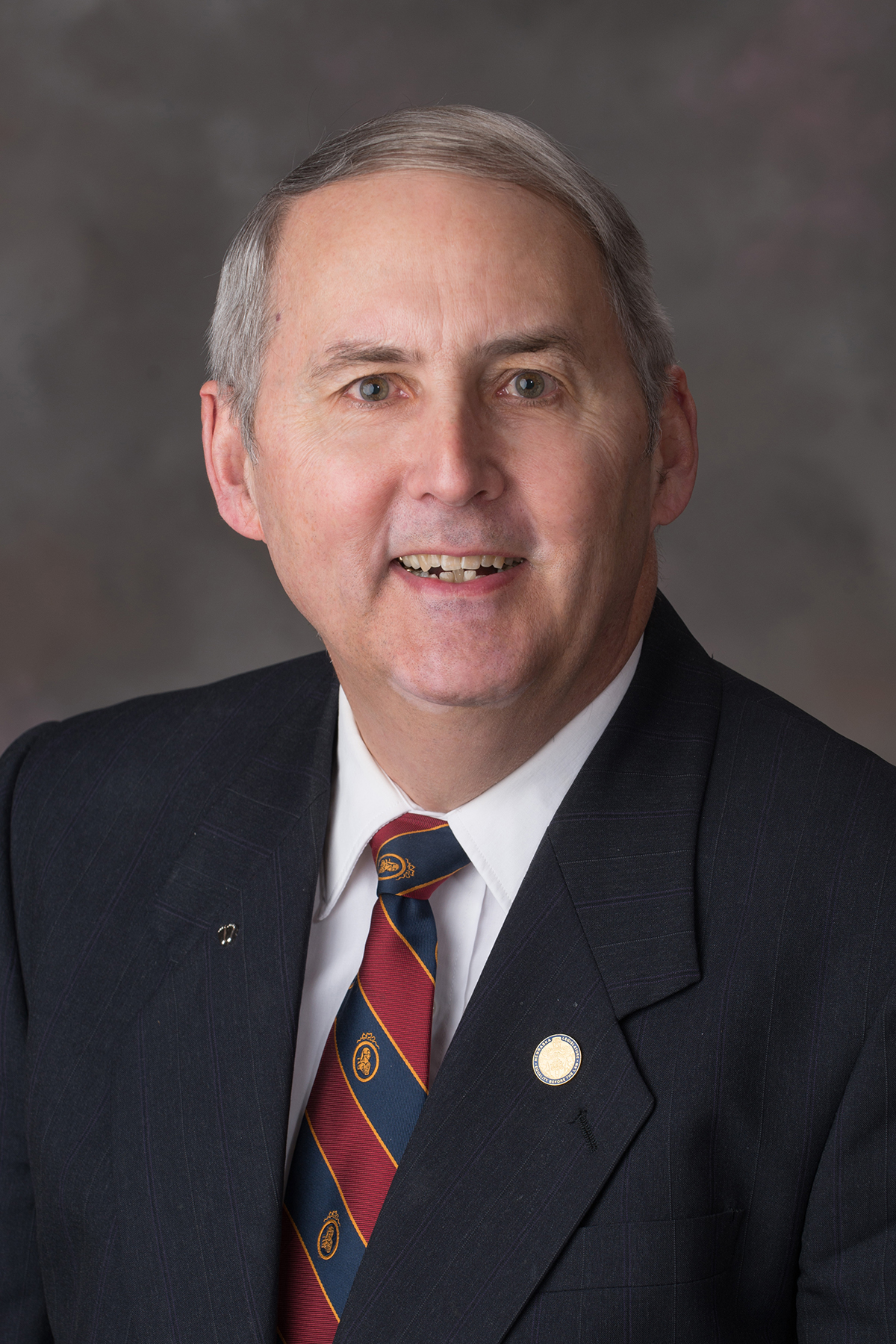
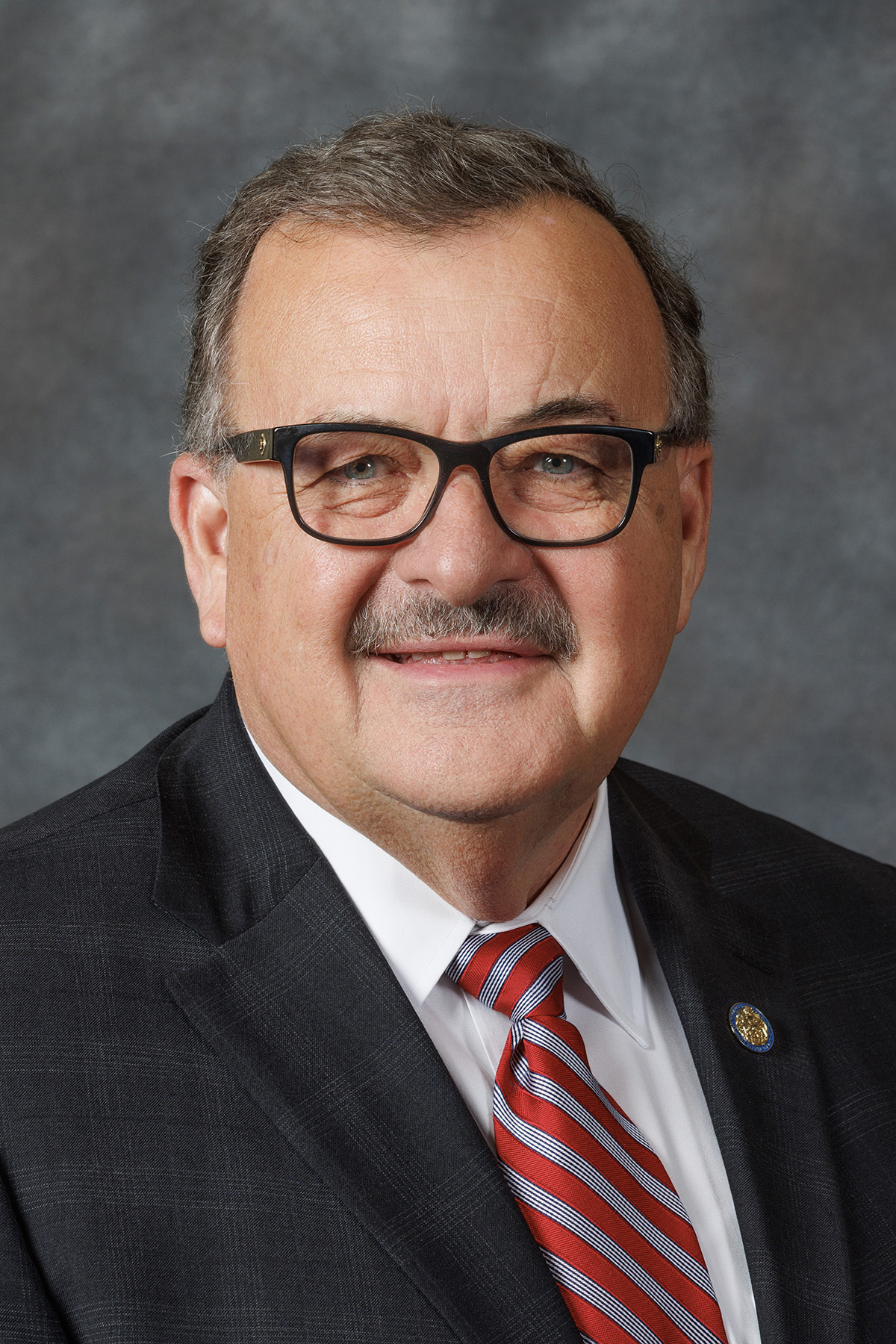
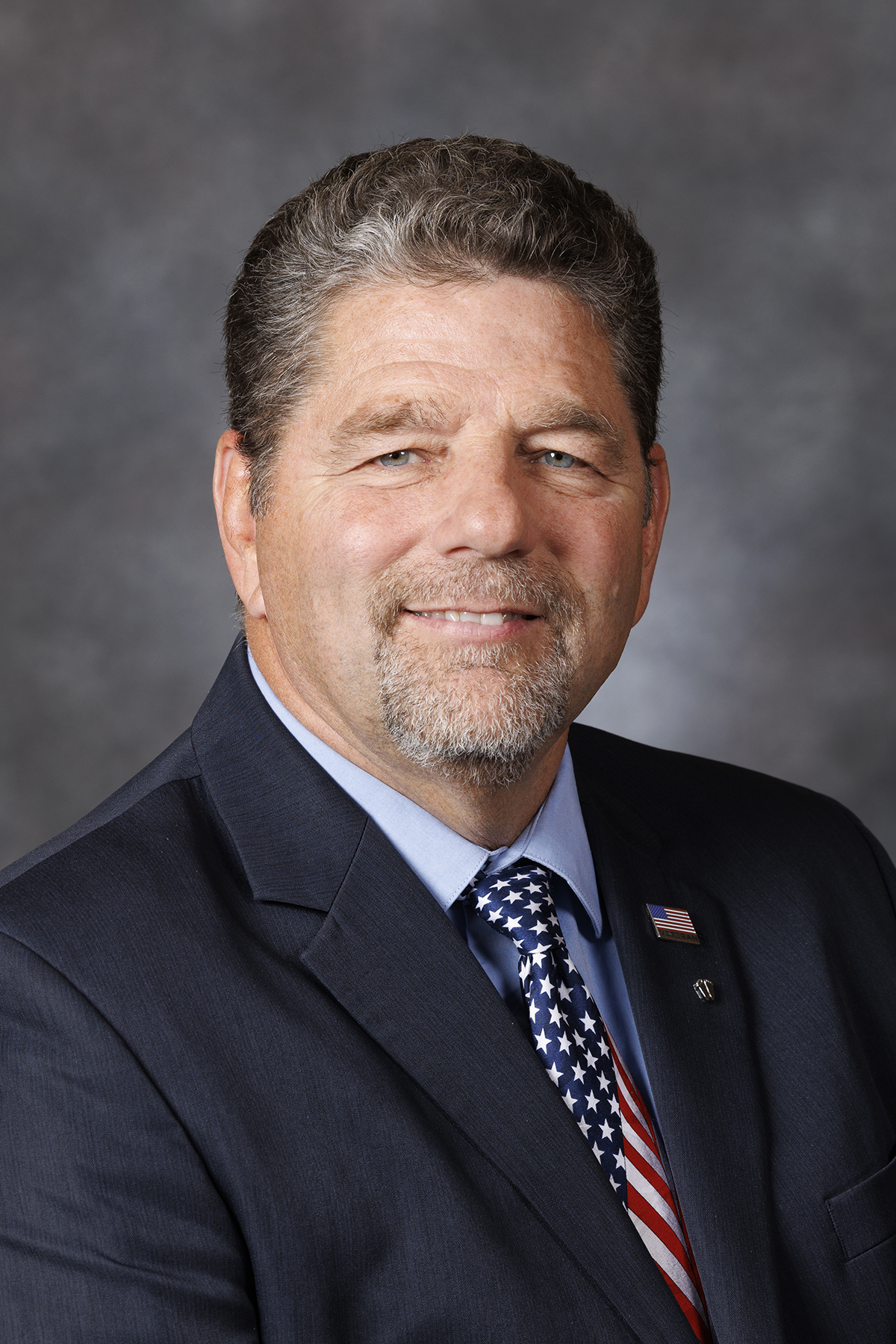
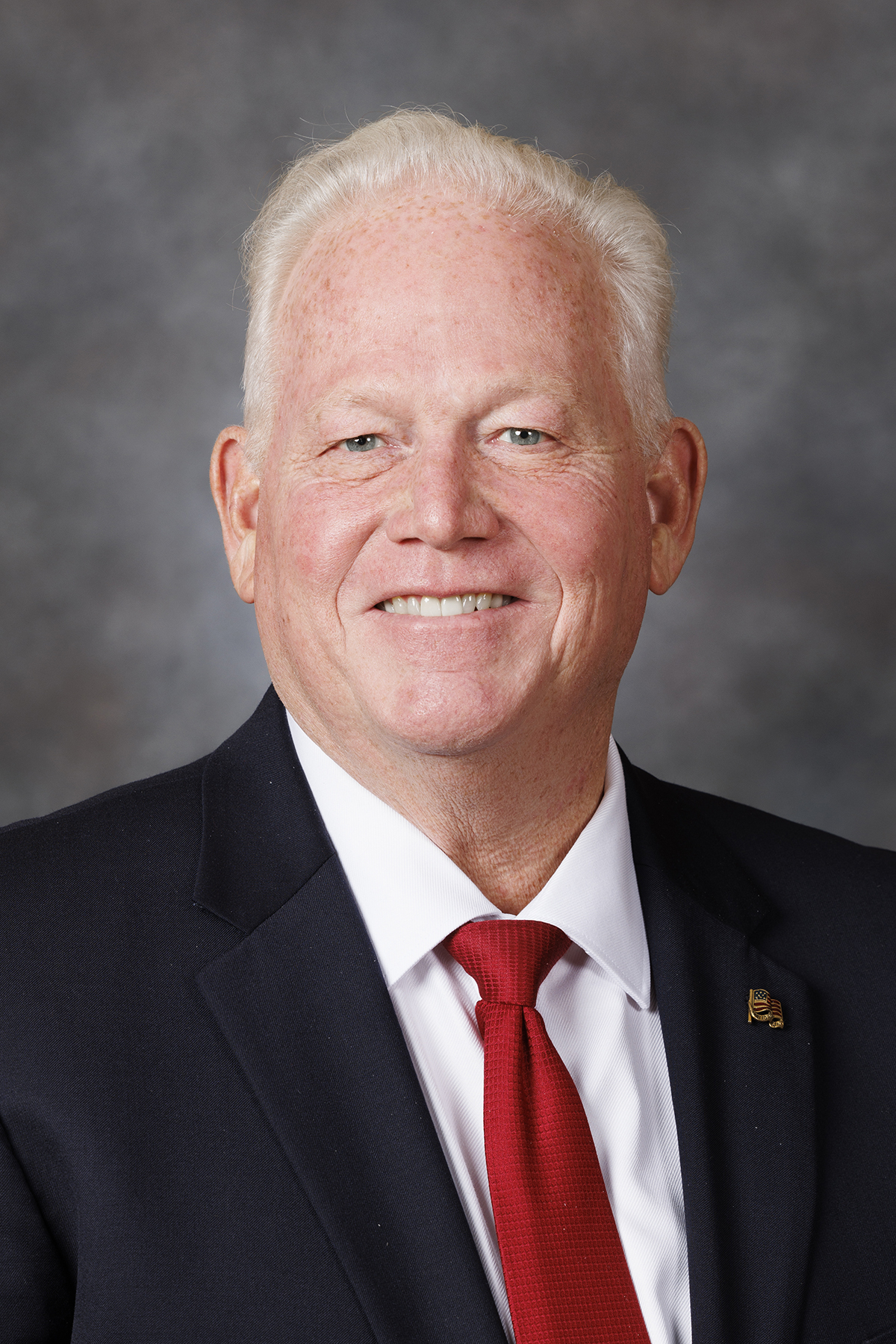
Key legislators
Who's moving criminal justice in Nebraska
Showing 5 of 5
bills
All criminal justice bills
LB 965 prohibits sexual abuse of probationers, problem-solving court participants, and individuals under guardianship or child welfare services. It creates new legal protections for these vulnerable groups by defining and prohibiting such abuse by specific professionals like conservators, guardians, and child welfare providers. The bill also grants immunity to probation employees who administer naloxone for opioid overdoses and requires sex offender registration for violations related to these new prohibitions. These changes update Nebraska's criminal code to address gaps in protecting individuals under court supervision or care.
LB 889 changes penalties under Nebraska's State Electrical Act by elevating violations from misdemeanors to Class IV felonies. It directly affects licensed electrical workers and contractors who commit specific violations, including making false statements on license applications, working without a license, failing to request required inspections, interfering with inspectors, or ignoring electrical regulations. The bill amends Section 81-2143 of the State Electrical Act to reflect this penalty increase for all five listed offenses. The original misdemeanor penalty provision is repealed, making these violations punishable by felony charges.
LB 877 amends Nebraska's Uniform Controlled Substances Act to add specific substances to the list of controlled drugs and correct spelling errors in the existing schedule. This change will subject these substances to the same legal restrictions as other controlled drugs under state law, affecting law enforcement, healthcare providers, and individuals who possess or distribute them. The bill updates the law's definitions and schedules to include these new substances. The exact list of substances designated is not provided in the bill text excerpt.
LB 320 requires hotels and similar public lodging establishments in Nebraska to display multilingual posters about human trafficking (including the National Human Trafficking Hotline number) in guest areas and provide employee training on recognizing and responding to trafficking. The bill directly affects all hotels, motels, and similar lodging businesses by mandating these awareness and training measures. Key provisions include requiring posters in English and Spanish (and other languages as determined), training employees to identify trafficking indicators, and limiting liability for lodging owners regarding third-party trafficking crimes. The bill also establishes a human trafficking task force to study prevention efforts and victim services, but the primary direct impact is on lodging businesses through the poster and training requirements.
Nebraska's LB 72 updates the state's list of Schedule I controlled substances under the Uniform Controlled Substances Act by adding 106 specific fentanyl-related compounds, including analogs like U-47700, Alpha-methylfentanyl, and various "fentanyl" derivatives. The bill directly affects individuals, healthcare providers, and law enforcement handling these substances, as they are now classified as Schedule I drugs with strict legal restrictions. Key provisions replace the existing schedule with this detailed list to harmonize state law with federal classifications and prevent legal loopholes around new synthetic opioids. The bill does not change penalties or enforcement but clarifies which substances are prohibited under Nebraska law.