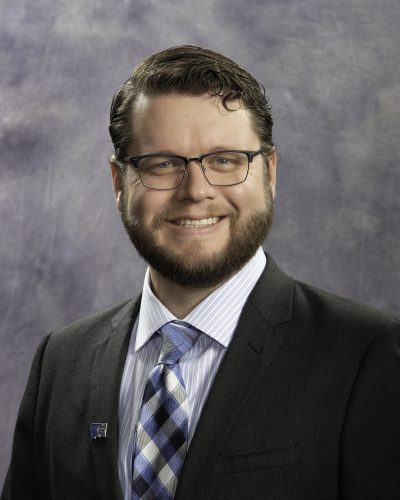
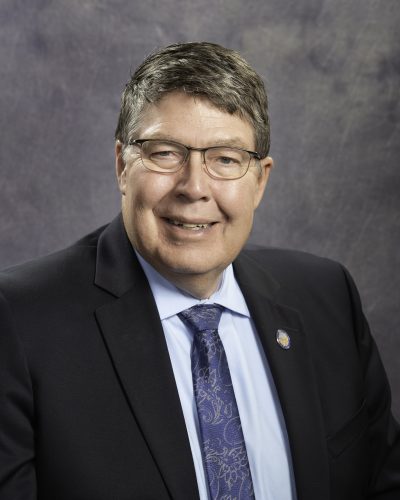
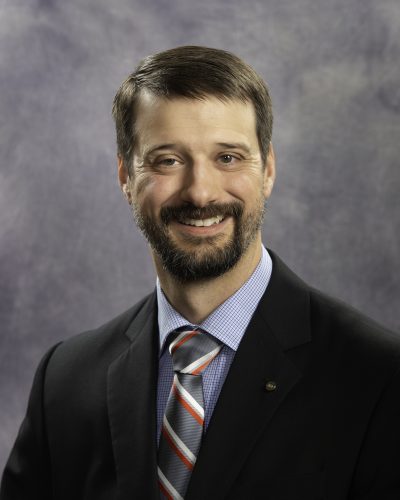
Key legislators
Who's moving professional licensing in Montana
Showing 11–14 of 14
bills
All labor & employment bills
SB 454 proposes significant revisions to Montana's commercial tow truck regulations. It establishes new classification standards for tow trucks (Classes A-E) based on equipment capacity and chassis requirements, replacing previous ratings. The bill also mandates certification for operators (75% of employees for companies, or 1 year of experience for individuals), requires equipment to meet updated safety standards, and clarifies requirements for participating in the law enforcement rotation system. These changes directly affect tow truck operators, companies, and the Montana Highway Patrol, which oversees inspections and classification. The bill was introduced in 2025 but died in committee without becoming law.
HB 563 protects individuals who file or participate in investigations related to professional licensing complaints. The bill voids any contract provisions that prohibit or discourage someone from filing a complaint or cooperating with an investigation against a licensee. It also defines being party to such a prohibitive contract or retaliating against a complainant as "unprofessional conduct" for a licensee. This measure ensures that general waivers of claims cannot be interpreted to restrict these specific types of complaints.
HB 336 establishes an alternative pathway for individuals to obtain professional licenses in various occupations through apprenticeship programs. It requires state boards and programs to grant licenses to applicants who successfully complete a nationally recognized apprenticeship in their field. This applies to a wide range of professions, including barbers, cosmetologists, addiction counselors, licensed practical nurses, plumbers, and electricians. Applicants pursuing licensure via an apprenticeship must still meet the same examination and fee requirements as those who complete traditional educational programs.
SB 515 would create a multistate cosmetology licensure compact, allowing licensed cosmetologists to practice in participating states using a single license instead of obtaining separate licenses in each state. It requires criminal background checks for all applicants and establishes uniform standards for licensure, including shared disciplinary records between states to maintain safety. The bill specifically aims to reduce licensing barriers for cosmetologists relocating due to military service or family moves. This program would replace individual state licenses with a single multistate license valid across all compact member states.