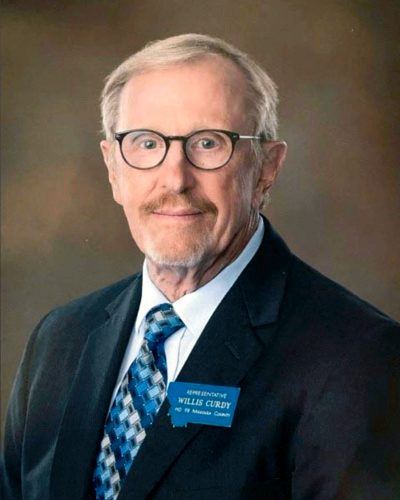
SB 376, the "Worker Freedom Act," prohibits employers from requiring employees to join a union or pay dues as a condition of employment. It mandates written employee authorization for union dues deductions (with 30-day revocation rights), requires employers to post a notice about union choice rights, and imposes fines for violations. The bill directly affects all Montana employees, except federal workers, railroad employees, and those under federal labor law. It amended Montana law to align with these protections but died in committee in May 2025 without becoming law.
SB 515 would create a multistate cosmetology licensure compact, allowing licensed cosmetologists to practice in participating states using a single license instead of obtaining separate licenses in each state. It requires criminal background checks for all applicants and establishes uniform standards for licensure, including shared disciplinary records between states to maintain safety. The bill specifically aims to reduce licensing barriers for cosmetologists relocating due to military service or family moves. This program would replace individual state licenses with a single multistate license valid across all compact member states.
SB 94 prohibits Montana public employers from using public funds or resources for labor organization activities, directly affecting public sector workers like teachers and school staff. It bans contributions of public money to unions or paid leave for union work, but allows unpaid time off for such activities and permits using accrued personal leave under specific conditions. The bill requires unions to cover costs for paid leave used in union activities through annual invoices to public employers and mandates reporting on time spent on union-related work. These changes aim to limit public funding for union operations while establishing clear administrative procedures.
SB 295 would restore Montana injured workers' right to choose their own treating physician for initial treatment and ongoing care under workers' compensation, without being forced to use a managed care organization (MCO) or preferred provider organization (PPO) without consent. The bill requires insurers to allow workers to select a physician from a designated list for initial treatment and to change physicians with the insurer's approval (with mediation available if approval is denied). It also mandates that insurers provide individual written notice (not workplace postings) before referring workers to an MCO or PPO. This directly affects injured workers seeking medical treatment for work-related injuries in Montana, giving them more control over their healthcare decisions.
SB 313, the proposed "Wage Opportunity and Transparency Act," would require Montana employers to list salary ranges in all job postings and prohibit wage discrimination based on sex (including gender identity). It bans employers from asking about applicants' prior salary history and prevents retaliation for discussing pay. The bill creates a process for employees to file complaints with the Commissioner and pursue civil lawsuits for unpaid wage differences, with remedies including back pay and liquidated damages. This bill died in the legislative process in May 2025 and never became law.
SB 277 would have prohibited Montana public employers from deducting union dues, fees, or political contributions from public employees' paychecks or assisting in collecting these payments. It directly affects public employees, labor organizations, and political committees by eliminating payroll deduction as a method for these payments. The bill would have made it an "unfair labor practice" for public employers to handle such deductions or for labor organizations to request them. This policy change would have shifted responsibility for collecting dues and contributions entirely to employees and organizations, removing public employers from the process.
HB 807 amends state law to prohibit individuals from being required to receive certain vaccines. Specifically, it mandates that vaccines whose use is allowed under an emergency use authorization (EUA) or those still undergoing safety trials cannot be a requirement. This applies to persons, governmental entities, employers, and public accommodations, preventing them from denying services, employment, or access based on non-receipt of such vaccines. The bill integrates this new prohibition into existing law concerning discrimination based on vaccination status.