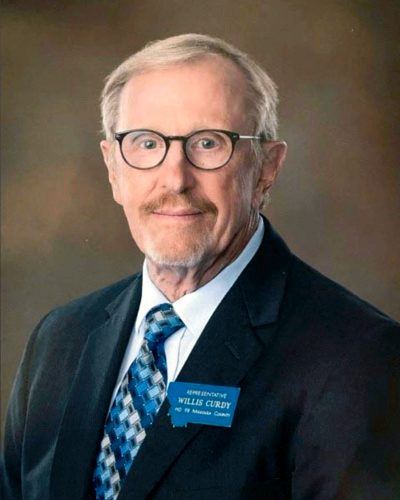
HB 769 revises the calculation of meal allowances for certain employees, specifically those who work night-shift hours. The bill amends existing state law to establish new timeframes for evening, midnight, and early morning meal allowances for night-shift employees. These allowances are applicable when an employee is traveling for more than three continuous hours during the specified night-shift periods. The bill also maintains existing provisions for non-night-shift employees and general eligibility rules based on an employee's travel shift.
HB 85 reinstates former employer contribution rates for four specific public employee retirement systems: the Judges', Highway Patrol Officers', Sheriffs', and Game Wardens' and Peace Officers' Retirement Systems. This directly impacts the governmental entities that employ these personnel and contribute to their pensions. The bill also amends the state's property tax levy calculation procedures, outlining how local governments determine their maximum mill levies based on factors like prior year assessments and newly taxable property. It specifically exempts certain levies, such as those funding the sheriffs' retirement system, from these new
SB 326 revises Montana's MEDIA Act film tax credits, extending them through 2045 and increasing the aggregate credit limit. The bill provides additional tax credits for production companies that hire veterans and enrolled tribal members. It establishes a fee for unused allocated credits, with these funds directed to a new film industry workforce training account to support workforce development. These changes aim to expand job opportunities and encourage investment in Montana's media manufacturing sector.
SB 316 revises disability retirement benefit provisions for members of the Municipal Police Officers' Retirement System (MPORS) and the Firefighters' Unified Retirement System (FURS). It specifies that disability retirement benefits for these members will remain disability benefits, rather than converting to service retirement, once they reach normal retirement age, and will no longer require medical examinations. The bill also clarifies the calculation of line-of-duty disability benefits based on years of service. These changes apply retroactively to MPORS and FURS members who became disabled in the line of duty on or before January 1, 2025.
HB 563 protects individuals who file or participate in investigations related to professional licensing complaints. The bill voids any contract provisions that prohibit or discourage someone from filing a complaint or cooperating with an investigation against a licensee. It also defines being party to such a prohibitive contract or retaliating against a complainant as "unprofessional conduct" for a licensee. This measure ensures that general waivers of claims cannot be interpreted to restrict these specific types of complaints.
HB 823 revises the State Plan Committee, which oversees career and technical education in Montana. It expands the committee by adding three new members appointed by the Commissioner of Labor and Industry, representing the state workforce innovation board, business, and labor communities. The bill also coordinates the committee's meetings with the Montana State Workforce Innovation Board and requires its state plan to align with the federal Workforce Innovation and Opportunity Act combined state plan.
HB 543 repeals the termination date for laws requiring the reporting and disclosure of violence against healthcare employees. Previously, these reporting requirements were set to expire on a specific date. By repealing that sunset clause, this bill makes the reporting and disclosure obligations permanent. This ensures that information about violence affecting healthcare workers will continue to be collected and shared indefinitely.
This bill revises and expands supplemental employer contributions to several state retirement systems, directly impacting state and local government employers and the retirement funds for their employees. For the Public Employees' Retirement System (PERS), it extends the schedule of increasing supplemental employer contributions through fiscal year 2035 and then sets a higher rate. Additionally, the bill introduces new supplemental employer contribution rates for the Highway Patrol Officers' Retirement System, the Sheriffs' Retirement System, and the Game Wardens' and Peace Officers' Retirement System. These new contributions are intended to help address unfunded liabilities and cover the normal cost of benefits for these specific systems.
SB 7 revised the retirement eligibility criteria for members of the Highway Patrol Officers' Retirement System (HPORS) and the Sheriffs' Retirement System (SRS). It removed the requirement for members hired on or after July 1, 2023, to reach age 50 in addition to completing 20 years of service to be eligible for retirement benefits. This change would allow all members, regardless of hire date, to qualify for service retirement after 20 years of membership service. The bill was intended to apply retroactively to those hired on or after July 1, 2023, and take immediate effect.
HB 346 exempts various grant and loan programs from environmental review requirements under the Montana Environmental Policy Act (MEPA). This bill directly affects the Department of Commerce, Board of Housing, and other commissions by removing the need for environmental assessments when authorizing or administering these specific programs. The exemptions apply to programs supporting microbusiness development, historic preservation, workforce training, housing finance, and other economic development initiatives. This aims to streamline the process for providing financial assistance through these identified programs.