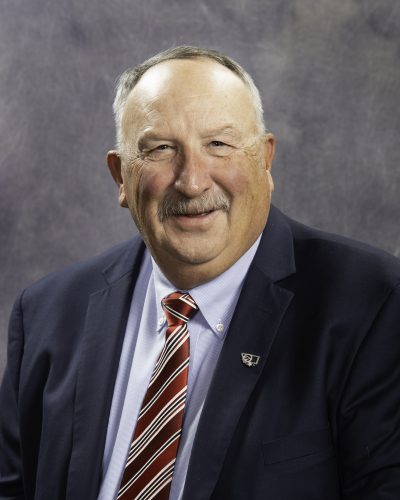
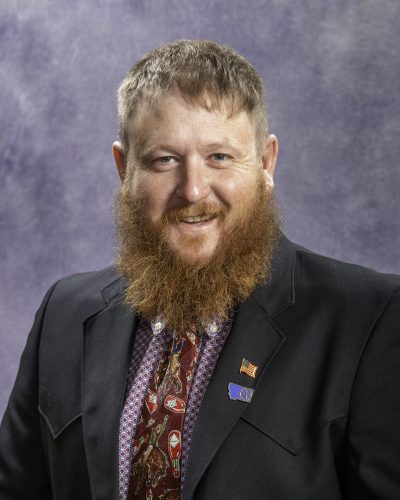
Key legislators
Who's moving homelessness in Montana
Showing 4 of 4
bills
All housing bills
HB 843 aimed to establish a Montana emergency solutions grant to help individuals experiencing or at risk of homelessness. It proposed appropriating $1 million annually for fiscal years 2025 and 2026 from the state's general fund to the Department of Public Health and Human Services. These funds would supplement federal emergency solutions grants for rapid re-housing assistance. The bill would have allowed for rental assistance up to 150% of the fair market rent for program participants with incomes below 80% of the area median income.
HB 310 proposed establishing a state matching grant program to increase community shelter capacity for the homeless population. Administered by the Department of Public Health and Human Services, these grants would help local governments and eligible nonprofit organizations. The funds would specifically target services for senior citizens, veterans, survivors of domestic violence, youth transitioning from foster care, and individuals with mental health or substance use disorders. Applicants would be required to provide matching funds and collaborate with existing homelessness service providers. The bill appropriated $2 million from the general fund for the program, which was set to operate from July 2025 to June 2027.
SB 504 proposes creating a $75 million grant program to fund permanent supportive housing projects in Montana. The bill would provide grants to nonprofit organizations for constructing, rehabilitating, or acquiring housing that offers long-term affordable leases (for residents earning 60% or less of the area median income) and onsite support services like mental health care, job assistance, and addiction recovery. It allocates $50 million from the general fund and $25 million from a behavioral health fund, with grants disbursed based on project proposals and adherence to specific conditions, including outcome tracking. The program, administered by the Montana Department of Commerce, aims to directly support homeless or at-risk individuals through housing and integrated services, effective July 1, 2025. (Note: The bill died in process in May 2025 and did not become law.)
HB 274 sought to establish a medical respite care program in Montana for homeless individuals who are eligible for Medicaid. This program would have provided short-term housing in residential facilities with supportive medical services for those recovering from illness or injury but not requiring hospitalization. Services would have included treatment plan monitoring, medication management, immunizations, discharge planning, and transportation for medical appointments. The bill directed the Department of Public Health and Human Services to seek federal approval for the program and to report annually on its costs and the number of individuals served.