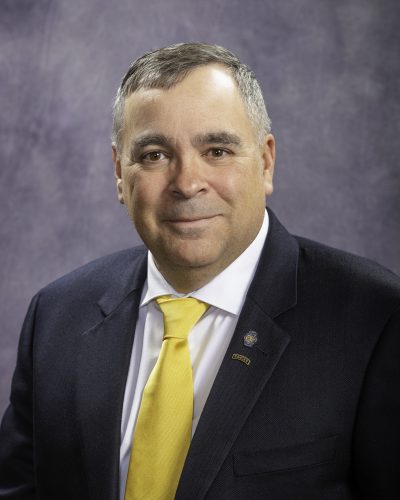
HB 943 establishes the Montana Rare Disease Advisory Council within the Department of Public Health and Human Services. This 17-member council, composed of patients, caregivers, medical professionals, researchers, and other stakeholders, will provide guidance, education, and recommendations on the needs of individuals with rare diseases in Montana. Its duties include surveying patient needs, developing policy recommendations for improved access to care and treatment, publishing resources, and identifying research opportunities. The council is required to meet regularly and submit annual reports to the Governor and Legislature, and the bill includes an appropriation to cover initial costs.
HB 807 amends state law to prohibit individuals from being required to receive certain vaccines. Specifically, it mandates that vaccines whose use is allowed under an emergency use authorization (EUA) or those still undergoing safety trials cannot be a requirement. This applies to persons, governmental entities, employers, and public accommodations, preventing them from denying services, employment, or access based on non-receipt of such vaccines. The bill integrates this new prohibition into existing law concerning discrimination based on vaccination status.
HB 869, titled "Provide for the sudden cardiac arrest prevention in youth sports," establishes measures to prevent sudden cardiac arrest in youth athletes. It requires the Superintendent of Public Instruction to develop informational resources on cardiac arrest symptoms and risks. Beginning in the 2026-2027 school year, schools with athletic programs must implement cardiac emergency response plans, including accessible automated external defibrillators (AEDs) and staff training in CPR and AED use. Coaches will be required to be certified in CPR, first aid, and AED use, and hold informational meetings for parents and athletes. The bill also allows coaches or officials to remove athletes exhibiting cardiac arrest symptoms, who then require written medical clearance to return to play, and clarifies that AED purchases are an allowable expenditure for school safety.
HB 953 revises Montana's Medicaid laws to allow for the coverage of direct primary care contracts under the state's Medicaid program. This bill directly affects Medicaid enrollees by providing them the option to use these services. It also prohibits the Department of Public Health and Human Services from requiring an enrollee to participate in primary care case management if they opt for a direct primary care contract. The bill provides a definition for "direct primary care contract" and includes an appropriation to support these changes.
SB 535 revises laws related to experimental treatments, primarily by requiring experimental treatment centers to obtain a license from the state department. These centers must adhere to operational standards and pay licensing fees. The bill also mandates that licensed centers allocate 2% of their net annual profits to support access to experimental treatments for qualifying Montana residents. This allocation can be fulfilled by providing free treatment or contributing to a new Insurance Premium Support Account. This account is established to help fund health insurance premiums for eligible Montana residents who purchase insurance on the federal marketplace and meet specific income criteria.
This bill establishes a state licensure system for doulas, defining them as nonmedical professionals who provide continuous physical, emotional, and informational support during pregnancy and up to one year postpartum. Beginning January 1, 2027, individuals wishing to practice as state-licensed doulas must obtain a license from the Department of Labor and Industry. Licensure requires paying fees, completing specific competencies, and adhering to professional conduct standards. Additionally, the bill allows the Department of Public Health and Human Services to provide Medicaid coverage for services offered by state-licensed doulas.
HB 881 proposed to revise the existing Medicaid buy-in program to include children with disabilities. This would expand eligibility for the program, allowing more children with disabilities to access Medicaid services. The bill also included an appropriation and extended rulemaking authority for the relevant department to implement these changes. It aimed to amend specific sections of Montana law concerning Medicaid administration and eligibility requirements.
HB 880 establishes the Medicaid Stabilization Reserve Account, a state special revenue fund designed to help maintain Medicaid benefits during state revenue shortfalls. The account would be primarily funded by transferring any unused state general fund appropriations for Medicaid at the end of a fiscal year. Funds from this account could only be appropriated by the legislature for state Medicaid matching funds after the budget director certifies a projected general fund deficit. This mechanism aims to mitigate expenditure reductions in the Medicaid program, directly affecting the stability of services for beneficiaries. The bill also includes an initial appropriation of $50,000 for state Medicaid matching funds.
SB 218 establishes a private right of action, allowing minors, their legal guardians, or estates to file civil lawsuits against healthcare professionals and physicians. These lawsuits can be brought for injuries caused by specific medical interventions, including certain surgeries, hormone therapies, and puberty blockers, when provided to minors to treat gender dysphoria. Liability may arise if the injury is proximately caused by a deviation from the applicable medical standard of care. The bill sets a statute of limitations for these actions and clarifies that it does not apply to treatments for medically verifiable disorders of sex development or complications from prior medical treatments.
HB 687 revises the age range for expanded Medicaid participants who are required to engage in community engagement activities. Previously, participants aged 19 to 55 were subject to this requirement. This bill extends that upper age limit, now requiring individuals from 19 to 62 years old to participate. Affected participants must complete 80 hours per month in activities such as employment, education, work training, or community service, unless they qualify for an exemption. This change directly impacts expanded Medicaid recipients between the ages of 56 and 62.