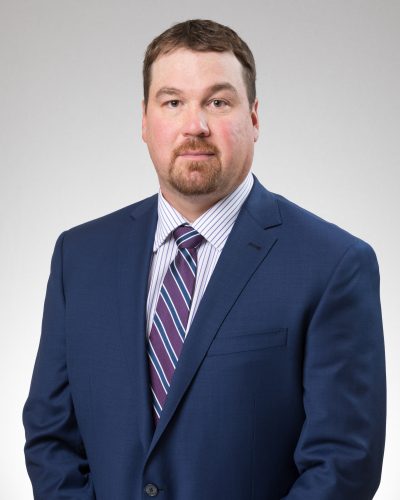
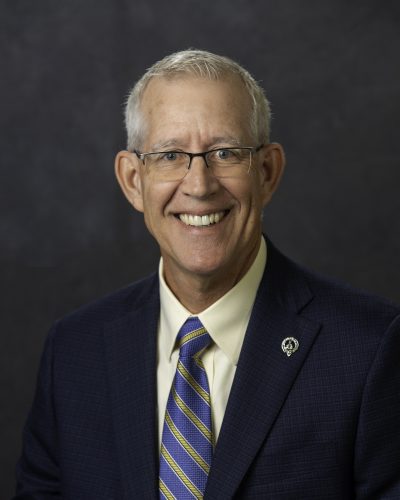
HB 767 revises county predator control laws to include goats. It authorizes county commissioners to establish predatory animal control programs specifically for the protection of goats, often based on recommendations or petitions from local goat producers. To fund these programs, commissioners can impose a per capita license fee on goats aged one year or older. The collected fees and proceeds from selling skins of predatory animals are deposited into a dedicated predatory animal control fund for goats.
HB 156 revises public education funding by replacing individual school district property tax levies for base budgets with a single countywide property tax levy. This new countywide levy, supported by state aid, will fund the basic operating expenses for all school districts within a county. The bill also adjusts state guaranteed tax base aid from a district to a county level and reduces required tuition payments. These changes impact school districts, local taxpayers, and revise the duties of school and county officials regarding education funding.
House Bill 162 revises the definition of "infrastructure" for communities that levy a resort tax. This bill expands the types of projects that can be funded by a resort tax to include "workforce and community housing projects." Previously, resort tax funds for infrastructure were primarily allocated to traditional public services like water, sewer, roads, and public safety. This change allows resort communities and areas to utilize resort tax revenue for housing initiatives.
SB 223 amends an existing law to ensure that any interest or income earned from a $12 million fund for workforce housing is retained within that fund. This fund is specifically allocated to assist employees working at state facilities that house state inmates or behavioral health patients, particularly in eligible rural counties. By retaining the earned interest, the bill aims to increase the total resources available for initiatives such as buying down construction costs, providing loans, or acquiring housing for these employees. The bill takes effect immediately and applies retroactively to interest earned on or after June 14, 2023.
SB 177 authorizes the Community Choice School Commission to seek and receive public funding. The bill also clarifies the commission's existing ability to accept and spend gifts and donations from private individuals and entities. These changes directly impact the financial operations of the Community Choice School Commission, which is responsible for approving authorizers for choice schools across the state. This allows the commission to broaden its sources of financial support.
HB 650 revises state bonding laws by expanding the definition of "project" to include facilities that provide broadband service. This change allows municipalities and counties to issue bonds to fund projects aimed at delivering broadband services. Specifically, it targets areas where existing broadband speeds are below 100 megabits per second download and 20 megabits per second upload. The bill provides a mechanism for local governments to finance the development of high-speed internet infrastructure in underserved locations.
HB 476 establishes a grant program to fund the installation and maintenance of newborn safety devices. The Department of Public Health and Human Services will award competitive grants, up to $20,000 per applicant, to eligible fire departments, hospitals, and law enforcement agencies. The department is also responsible for creating rules for the application process and evaluation criteria. The bill appropriates $160,000 from the general fund for this program, which is effective July 1, 2025, and terminates on June 30, 2027.
Senate Joint Resolution 27 urges the United States Congress to take action regarding livestock brucellosis vaccinations. The resolution highlights the impact of brucellosis on cattle and bison, the lack of affordable treatments, and a current shortage of the only U.S.-produced vaccine. It asks Congress to enact legislation that expands vaccine availability, requires assistance to states for rapid outbreak response, and provides funding for preventative vaccination programs.
HB 337 revises Montana's income tax laws, affecting individual taxpayers and certain estates or trusts. The bill aims to lower income taxes by adjusting the state's tax brackets. It increases the amount of Montana taxable income taxed at lower rates and reduces the highest income tax rate. Additionally, the bill revises the tax rates and income thresholds applied to net long-term capital gains.
SB 228 revises laws related to public electric vehicle (EV) charging stations, affecting EV owners and charging station operators. The bill imposes a 3-cent per kilowatt-hour tax on electricity delivered to public charging stations, with specific effective dates for new and existing stations. It mandates that all public charging stations install a separate electric meter, with the owner responsible for installation costs. Additionally, the bill eliminates a future 30% reduction in state registration fees for electric vehicles. Public charging station operators are also required to register with the state and disclose their charging rates.