Issue · Immigration

Immigration

Every immigration bill, vote, and legislator stance in Missouri, automatically classified by Maddy, our AI policy reader.

Total bills
62
119th Congress
Top supporter
Wesley Bell
81% support rate
Top opponent
Jason Smith
19% support rate
Ranked legislators
9
4 support · 5 oppose
Key legislators

Who's moving immigration in Missouri

Legislators moving immigration in Missouri
Legislator Party Stance Support rate Votes
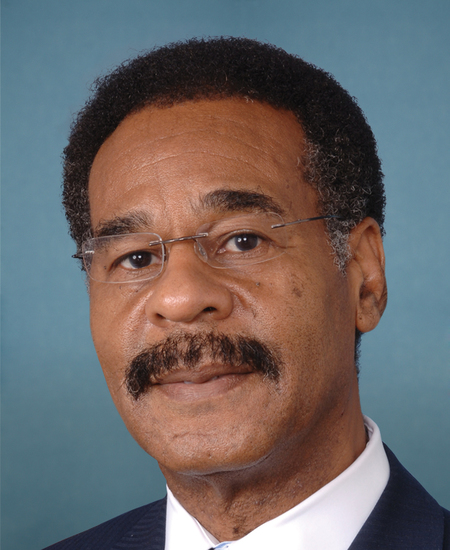
Wesley Bell
Wesley Bell House · District 1
D
Strong +
81% 147
Emanuel Cleaver
Emanuel Cleaver House · District 5
D
Strong +
81% 141
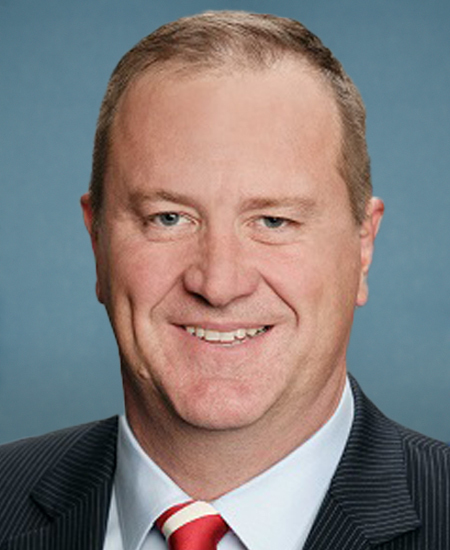
Eric Schmitt
Eric Schmitt Senate
R
Support
70% 180
Josh Hawley
Josh Hawley Senate
R
Support
69% 178
Jason Smith
Jason Smith House · District 8
R
Strong −
19% 148
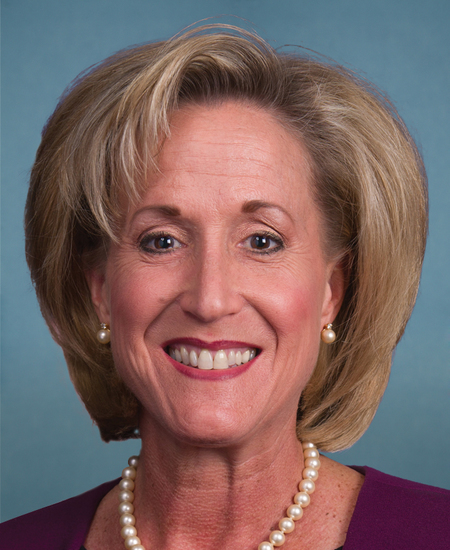
Ann Wagner
Ann Wagner House · District 2
R
Strong −
19% 149
Robert F. Onder, Jr.
Robert F. Onder, Jr. House · District 3
R
Strong −
19% 146
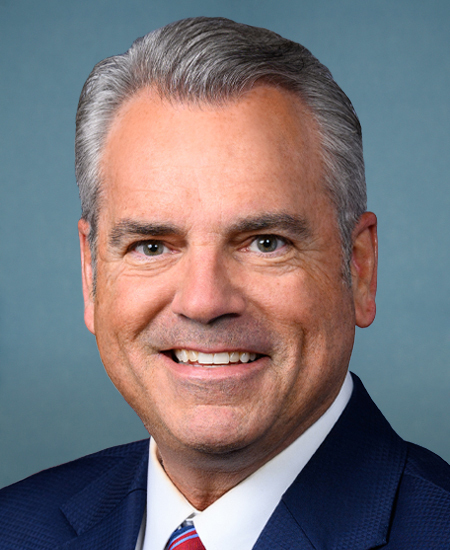
Mark Alford
Mark Alford House · District 4
R
Strong −
19% 146
Eric Burlison
Eric Burlison House · District 7
R
Strong −
19% 147
Showing 1–10 of 62 bills

All immigration bills

in committee · United States · Senate Jul 16, 2026

S 5023: Ban Birth Tourism Act of 2026

The Ban Birth Tourism Act of 2026 prohibits individuals from entering the United States if their main reason for travel is to have a child born there to gain U.S. citizenship. This law makes such travelers inadmissible upon arrival and subject to deportation if they are found to have entered the country specifically for this purpose. Officials determine whether someone is engaging in birth tourism by assessing if the person's primary goal is obtaining citizenship for a child or if they are likely to give birth within ten months of entry. The bill directly affects foreign nationals planning to visit the U.S. with the intent of using their child's birthplace to secure citizenship status.
in committee · United States · Senate Jul 14, 2026

S 4973: American Citizenship Act

The American Citizenship Act proposes changes to how birthright citizenship is determined for children born in the United States. Under this bill, a newborn would automatically be a U.S. citizen only if at least one parent is a U.S. citizen or has lawful permanent resident status at the time of birth. The legislation explicitly excludes children born to parents who are both undocumented or do not meet these residency requirements from receiving citizenship solely based on their birthplace. Importantly, the bill states that these new rules will not apply retroactively to anyone who was already born before the law takes effect.
in committee · United States · House Jun 11, 2026

HR 9264: No Exceptions for Non-Citizens Voting Act

This bill, titled the No Exceptions for Non-Citizens Voting Act, aims to strengthen penalties for non-citizens who vote illegally in the United States. It modifies federal law to make voting by aliens a specific ground for inadmissibility and deportability under immigration statutes. The legislation also removes existing exceptions that previously allowed certain non-citizens to vote in federal elections without facing these specific immigration consequences. By updating the Immigration and Nationality Act, the bill ensures that any alien who votes in violation of any election law faces potential removal from the country.
in committee · United States · Senate Apr 16, 2026

S 4316: Sanctuary City Elimination Act

The Sanctuary City Elimination Act defines "sanctuary jurisdictions" as states or local areas that restrict cooperation with federal immigration authorities, such as refusing to share immigration data or honor detention requests. If a jurisdiction is classified as a sanctuary, the bill prohibits it from receiving various federal grants, including funding for education, environmental protection, economic development, and community housing projects. The legislation also provides a legal mechanism allowing state attorneys general to sue in federal court to recover these funds if a sanctuary jurisdiction releases an immigrant who subsequently commits a crime in another state. Additionally, the bill grants local law enforcement the authority to act as federal agents when complying with immigration detainers and offers them immunity from liability in lawsuits related to those actions.
in committee · United States · Senate May 14, 2026

S 4547: America First Citizenship and Allegiance Act

The America First Citizenship and Allegiance Act strengthens the naturalization process by requiring applicants to demonstrate a substantial understanding of English, U.S. history, and specific constitutional principles like the separation of powers and federalism. It mandates that new citizens receive explicit instruction on the meaning of the oath of allegiance and must pass a more rigorous exam with a higher passing score and a greater focus on constitutional knowledge. The bill also introduces stricter penalties for fraud, including permanent bars to citizenship for serious offenses such as terrorism, foreign agent activities, and unlawful voting, while preserving existing authorities to revoke citizenship from those who obtained it through deception. Additionally, the legislation establishes a new initiative to update citizenship study materials for the nation's 250th anniversary and requires annual reporting to Congress on naturalization statistics and denial reasons.
in committee · United States · House Apr 16, 2026

HR 8341: DEPORT Act of 2026

The DEPORT Act of 2026 proposes changes to U.S. immigration law regarding terrorism-related offenses. It would require all naturalization applicants to attest under oath that they have not committed, have charges pending for, or intend to commit specific terrorism-related crimes. The bill also establishes new procedures for denaturalizing U.S. citizens, allowing convictions or credible evidence of these offenses to be used as grounds for revoking citizenship, with certain presumptions of illegal procurement. Furthermore, it would make individuals convicted of such offenses inadmissible to the U.S., deportable if denaturalized, ineligible for most immigration benefits, and permanently barred from future admission. These provisions directly affect naturalization applicants, naturalized citizens, and aliens seeking admission or other immigration benefits.
introduced · United States · Senate Apr 2, 2026

S 4277: 10 Years of ICE Funding Act

10 Years of ICE Funding Act This bill provides appropriations for U.S. Immigration and Customs Enforcement (ICE) through FY2036. Specifically, the bill provides specified appropriations to ICE for operations and support, including for the purchase and lease of police-type vehicles, for overseas vetted units, and for maintenance, minor construction, and minor leasehold improvements at owned and leased facilities. The bill also provides appropriations to ICE for procurement, construction, and improvements, including for acquisition of necessary additional real property and facilities, construction and ongoing maintenance, facility improvements, equipment, and related expenses. The appropriations provided to ICE by this bill are available until September 30, 2036.
in committee · United States · House Apr 6, 2026

HR 8206: Homeland Security and Further Additional Continuing Appropriations Act, 2026

This bill, titled the Homeland Security and Further Additional Continuing Appropriations Act, 2026, provides funding for the Department of Homeland Security and extends certain continuing appropriations for fiscal year 2026. It allocates money for various DHS components including border security, immigration enforcement, cybersecurity, disaster relief, and law enforcement training. The bill also includes the SAVE America Act, which requires states to verify voter citizenship through documentary proof and mandates photo identification for voting in federal elections. Additionally, it establishes reporting requirements for DHS budgeting and oversight, and prohibits certain border crossing fees.
in committee · United States · Senate Jun 10, 2025

S 2002: REMIT Act

The REMIT Act imposes a 15% excise tax on international money transfers (remittances) sent by non-U.S. citizens or through non-qualified providers. Senders pay the tax, which remittance providers collect and remit to the IRS quarterly. U.S. citizens/nationals sending money through "qualified providers" (those with IRS agreements verifying sender status) are exempt from the tax and can claim a refundable tax credit for amounts paid. The law requires providers to report transfer details to the IRS and mandates senders provide Social Security numbers to claim the credit, with all provisions effective after 2025.
Sub-Topics Sales Tax Tax Credits
in committee · United States · Senate Mar 31, 2025

S 1206: Judicial Relief Clarification Act of 2025

This bill prevents U.S. federal courts from issuing orders (such as injunctions, stays, or declarations) that stop enforcement of laws against people or entities not directly involved in a lawsuit (non-parties). It requires that such orders only apply if a non-party is represented through a party acting under standard legal rules. The law applies to all federal courts, including those in U.S. territories, and modifies related procedures for temporary restraining orders and declaratory judgments to enforce this restriction. Its core change limits court authority to affect non-parties regarding statutes, regulations, or government actions.
Showing 1 to 10 of 62 bills
1 2 3 7 Next