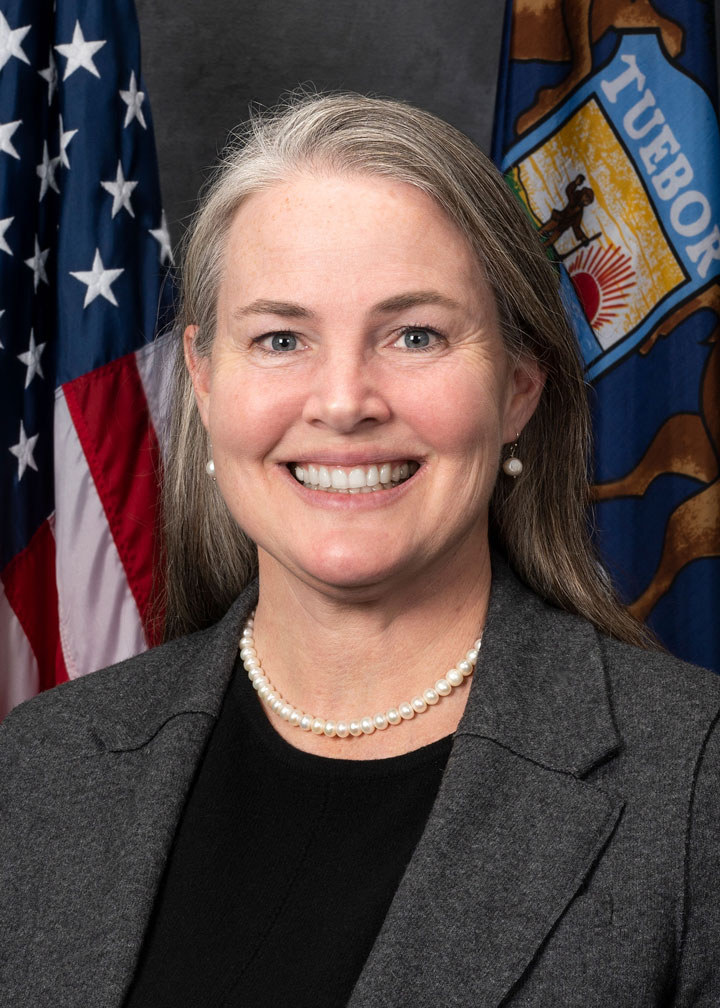
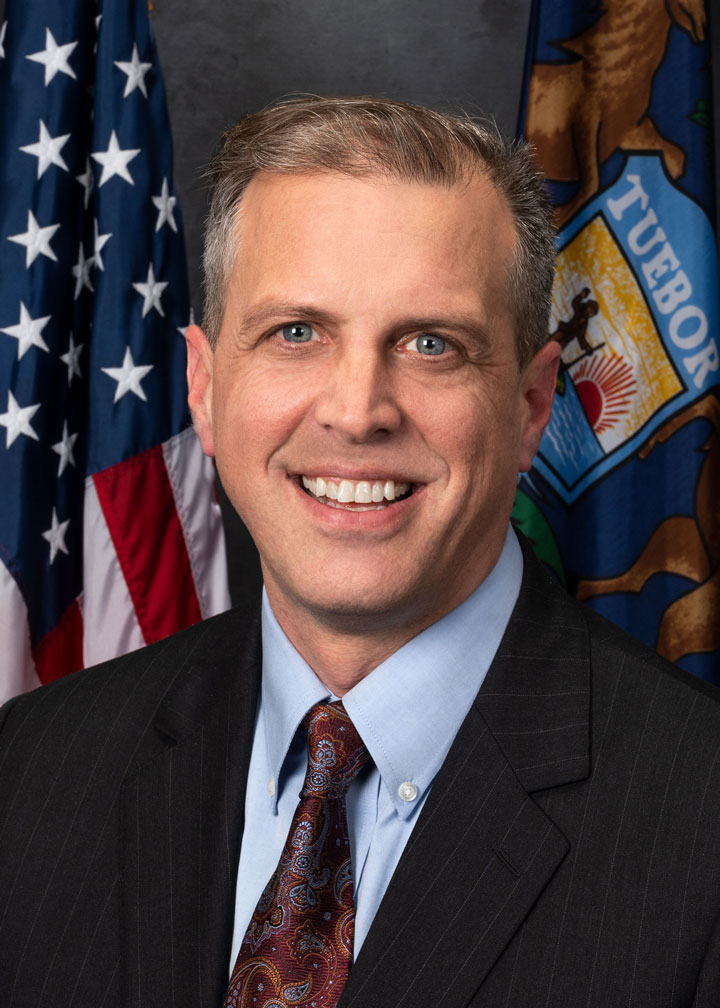
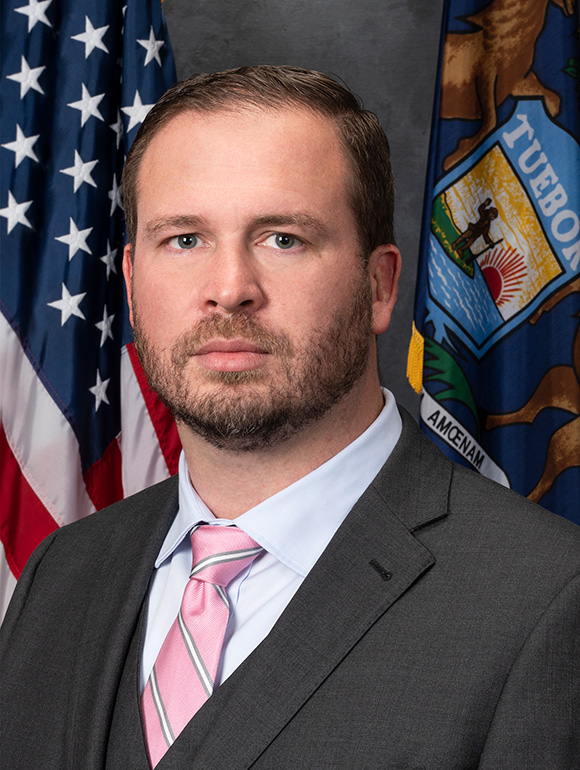
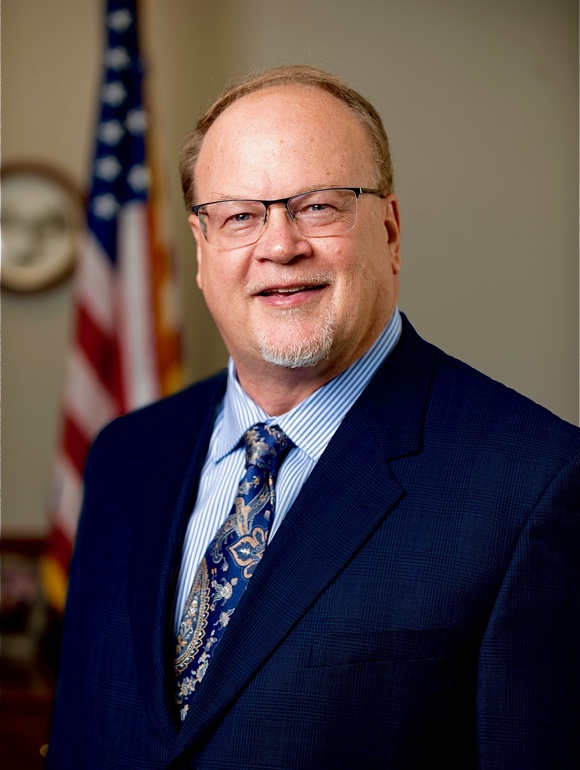
Key legislators
Who's moving energy in Michigan
Showing 3 of 3
bills
All energy bills
This bill extends Michigan's state of energy emergency from July 1, 2026, to September 16, 2026, to align with a potential federal waiver allowing more flexible gasoline production. The measure directly affects consumers and businesses by aiming to prevent fuel shortages and price spikes that could occur if stricter fuel regulations were reinstated. By keeping the emergency in effect, the state can continue to relax its own fuel requirements while the federal government addresses supply constraints. The resolution takes effect immediately upon July 1, ensuring there is no gap in the emergency declaration.
SB 235 creates a corporate income tax credit for businesses that use sustainable aviation fuel (SAF). It directly affects airlines and fuel producers in Michigan by reducing their state tax liability based on the volume of SAF they utilize. The bill amends Michigan's tax code (MCL 206.1-206.847) to add a specific provision allowing corporations to claim this credit. This provides a financial incentive for adopting SAF, aiming to support cleaner aviation fuel adoption without specifying environmental outcomes.
SB 236 creates a tax credit program in Michigan to incentivize the production of sustainable aviation fuel (SAF). It directly affects fuel producers who meet specific environmental standards, requiring SAF to achieve at least a 50% reduction in life-cycle greenhouse gas emissions compared to petroleum fuel and comply with ASTM aviation fuel standards. Producers must apply to the Department of Environment, Great Lakes, and Energy for certification of their tax credit, providing evidence of domestic production, emissions reduction, and proof that the fuel was used in aircraft departing Michigan airports. The program administers tax credits through a state-certified process, aiming to boost local SAF production while meeting federal environmental benchmarks.