

Issue · Budget & Taxes
Budget & Taxes (Revenue)
Every budget & taxes bill, vote, and legislator stance in Michigan, automatically classified by Maddy, our AI policy reader.
Total bills
34
2025-2026 Regular Session
Top supporter
Dylan Wegela
83% support rate
Top opponent
Steve Carra
17% support rate
Ranked legislators
10
5 support · 5 oppose
Key legislators
Who's moving revenue in Michigan
| Legislator | Party | Stance | Support rate | Votes |
|---|---|---|---|---|

Dylan Wegela
House · District 26
|
D |
Strong +
|
83% | 6 |

Jaime Greene
House · District 65
|
R |
Strong +
|
83% | 6 |
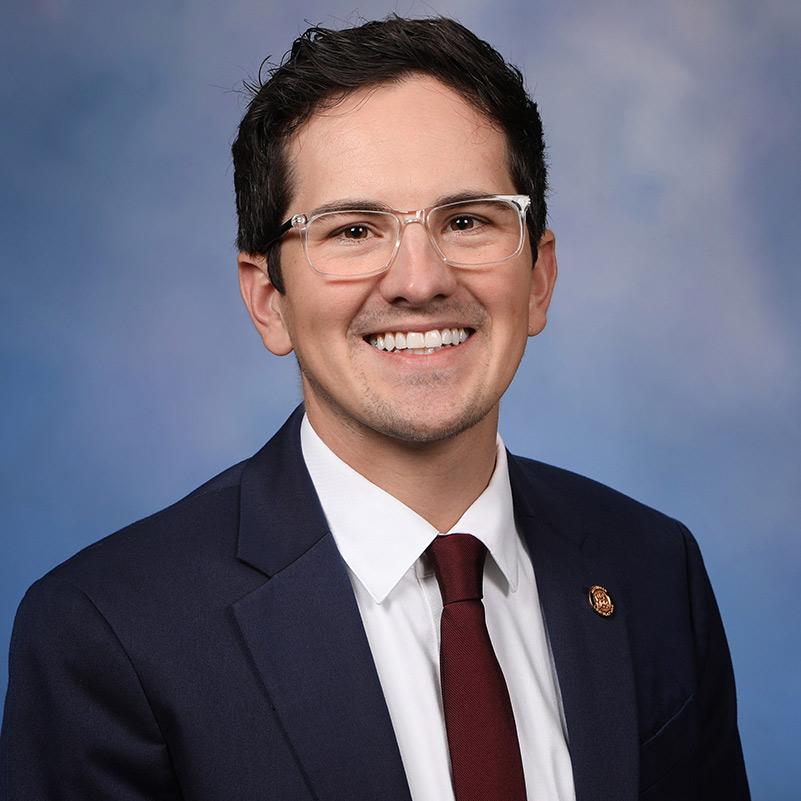
Jason Morgan
House · District 23
|
D |
Strong +
|
83% | 6 |

Samantha Steckloff
House · District 19
|
D |
Strong +
|
83% | 6 |

Alabas Farhat
House · District 3
|
D |
Strong +
|
80% | 5 |

Steve Carra
House · District 36
|
R |
Strong −
|
17% | 6 |

Helena Scott
House · District 8
|
D |
Oppose
|
25% | 4 |
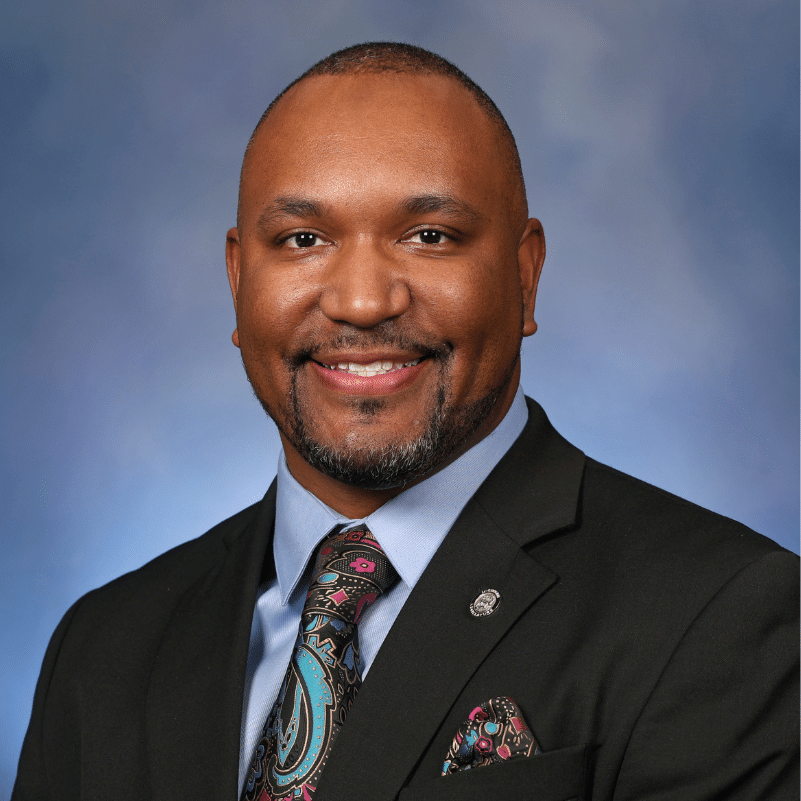
Jimmie Wilson
House · District 32
|
D |
Oppose
|
25% | 4 |

Betsy Coffia
House · District 103
|
D |
Oppose
|
33% | 6 |
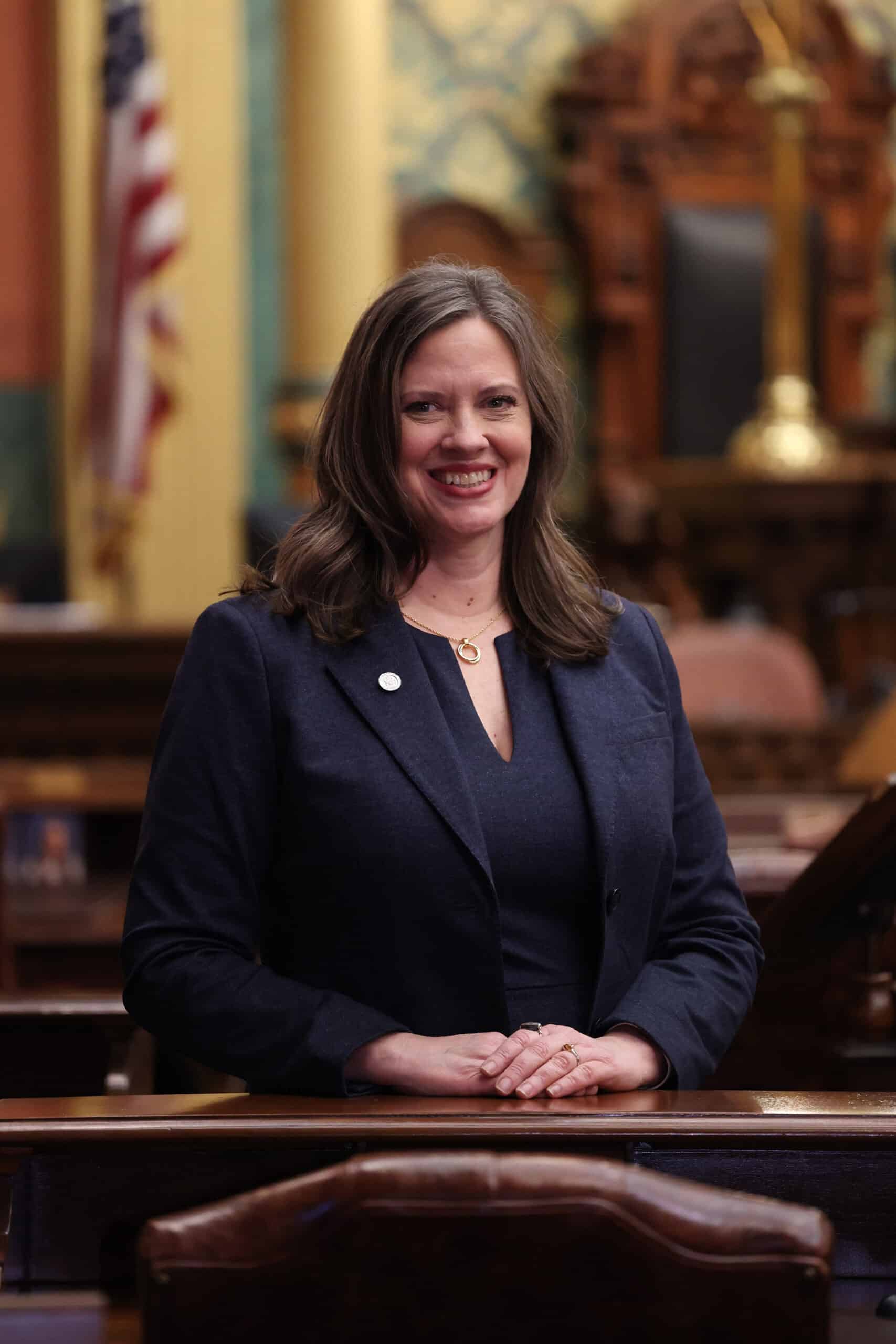
Carol Glanville
House · District 84
|
D |
Oppose
|
33% | 6 |
Showing 1–10 of 34
bills
All budget & taxes bills
HB 6126: Gaming: other; expenditures under the internet sports betting fund; modify. Amends secs. 15 & 16 of 2019 PA 149 (MCL 432.415 & 432.416)
Topics
✓ Budget & TaxesSupports Budget & TaxesBill directs tax revenue from internet sports betting to fund public safety, infrastructure, and essential programs, strengthening state fiscal management.
✓ TransportationSupports TransportationBill allocates 30% of sports betting tax revenue specifically for road repairs and public safety improvements, directly funding transportation infrastructure.
HB 6079: Sales tax: distribution; reporting and earmark of auto-related sales tax for the comprehensive transportation fund; provide for. Amends secs. 6 & 25 of 1933 PA 167 (MCL 205.56 & 205.75) & adds sec. 18a.
Topics
✓ Budget & TaxesSupports Budget & TaxesBill strengthens state fiscal management by clarifying tax reporting for auto parts, ensuring proper revenue collection for the transportation fund.
✓ TransportationSupports TransportationBill establishes a dedicated funding mechanism for the comprehensive transportation fund by taxing auto parts, intended to strengthen transportation infrastructure.
SB 1072: Individual income tax: revenue distributions; earmark to 21st century jobs trust fund for the Michigan innovation fund program; provide for. Amends sec. 695 of 1967 PA 281 (MCL 206.695) & adds sec. 51i. TIE BAR WITH: SB 1073'26
Topics
✓ Budget & TaxesSupports Budget & TaxesBill directs individual income tax revenue to fund the Michigan Innovation Fund, increasing state budget allocations for economic development.
✓ TechnologySupports TechnologyBill funds the Michigan Innovation Fund to advance technology and economic development.
HB 5854: Individual income tax: revenue distributions; earmark of withholding tax capture revenues attributable to certain employees into the workforce development HOPE zone fund; provide for. Amends sec. 51f of 1967 PA 281 (MCL 206.51f). TIE BAR WITH: HB 5852'26
Topics
✓ Budget & TaxesSupports Budget & TaxesBill directs individual income tax revenue to fund workforce development programs, strengthening fiscal management and supporting essential public services.
✓ Labor & EmploymentSupports Labor & EmploymentBill directs tax revenue to a workforce development fund for employees in HOPE zones, aiming to strengthen workforce capabilities and support workers.
SB 983: Taxation: hotel-motel; excise tax on rentals of accommodations; allow local units of government to levy. Creates new act.
HB 5496: Taxation: excise taxes; excise tax on the purchase of wireless communications devices; require for purchases of devices primarily for the use of individuals under 18 years of age. Creates new act.
Topics
✓ Budget & TaxesSupports Budget & TaxesImposes new excise tax to fund Children's Mental Health and Safety Fund, directly increasing state revenue for public services.
✓ HealthcareSupports HealthcareBill creates Children's Mental Health Fund using tax revenue, directly funding mental health services under healthcare topic per bill's explicit purpose.
HB 5395: Economic development: brownfield redevelopment authority; brownfield tax increment financing credits; modify. Amends secs. 2, 12, 13 & 13b of 1996 PA 381 (MCL 125.2652 et seq.).
HB 5286: Economic development: brownfield redevelopment authority; environmental brownfield redevelopment program; modify. Amends secs. 19608a, 19608b, 19609, 19610, 19610a, 19611, 19612, 19613, 20108b & 21506a of 1994 PA 451 (MCL 324.19608a et seq.) & adds pt. 192.
Topics
✓ Budget & TaxesSupports Budget & TaxesBill establishes state-funded grant/loan program for brownfield redevelopment, allocating budget resources to stimulate economic growth and tax revenue through cleanup projects.
✓ EnvironmentSupports EnvironmentFunds brownfield cleanup requiring environmental benefits, advancing remediation standards to protect natural resources and reduce contamination.
✓ Labor & EmploymentSupports Labor & EmploymentBill requires projects to demonstrate job creation as a measurable economic benefit, directly advancing employment opportunities through redevelopment funding.
HB 4143: Corporate income tax: revenue distribution; earmark to the Michigan transportation fund; provide for. Amends sec. 695 of 1967 PA 281 (MCL 206.695).
Topics
✓ Budget & TaxesSupports Budget & TaxesDirects $500M annually to transportation funds for road projects, ensuring dedicated tax revenue allocation for infrastructure, aligning with funding essential public services.
✓ TransportationSupports TransportationDirects $500M annually to local road projects and state transportation fund, explicitly earmarking corporate tax revenue for transportation infrastructure funding.