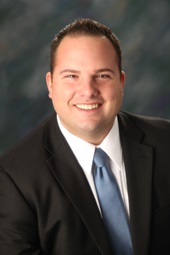
By Representative Sullivan-Almeida of Abington, a petition (accompanied by bill, House, No. 181) of Alyson M. Sullivan-Almeida for legislation to establish a pilot program for veterans to use medical marijuana to treat medical conditions that are currently being treated with opioid-based medicine and combat opioid use disorder. Cannabis Policy.
This bill requires public schools (grades 6-12) and colleges/universities to include the 988 Suicide and Crisis Lifeline phone and text number on all new or replacement student ID cards. It directly affects schools and higher education institutions that issue student IDs, mandating the inclusion of this lifeline contact information. The requirement applies to IDs issued on or after July 1, 2025, with existing non-compliant cards allowed to be used until depleted. The law aims to make crisis support more accessible to students by integrating it into routine student identification.
HD 2051 creates a special commission to investigate how social media affects children's mental health and safety in Massachusetts. The commission, including health officials, educators, advocates, and youth representatives, will study risks like cyberbullying, addictive features, and harmful content, and examine how social media algorithms work. It will also identify best practices for social media companies to protect children and develop recommendations for parents, schools, and public awareness. The commission must submit its final report and draft legislation by December 31, 2026.
This bill requires the Massachusetts Department of Veteran Services to consider fully reimbursing veterans with a 100% disability rating for emergency medical transportation costs to hospitals (both local and VA facilities). It directly affects veterans who have been officially rated at 100% disability by the VA. To qualify, veterans must provide proof of their disability rating within a reasonable timeframe, considering their medical condition. The bill does not mandate automatic reimbursement but directs the department to evaluate such requests.
This bill requires Massachusetts hospitals to verify that certain patients have arranged suitable transportation before discharge. It applies to patients who had anesthesia-related surgery, have developmental disabilities, are receiving substance abuse treatment, or suffer from Alzheimer's or dementia. Hospitals must confirm transport arrangements but are not required to provide or arrange the transportation themselves. The law aims to prevent unsafe discharges for vulnerable patients by adding this verification step to hospital protocols. It directly affects hospitals in Massachusetts and the specific patient groups listed in the bill.
This bill allocates supplemental funding for Massachusetts' fiscal year 2025, adding specific sums to existing state budgets for critical programs. It directly affects state agencies and services, including veterans' benefits ($5.8M), child care programs ($95.6M), medical assistance ($134.5M), and senior housing initiatives (e.g., $2M for the Brooke House in Mattapan, which will provide 127 affordable units for seniors). Key mechanisms include funding for the semiquincentennial anniversary ($15M), park improvements ($6M), and transitions to new systems (e.g., $7.5M for electronic benefits cards). The bill supplements existing appropriations without creating new laws, focusing solely on funding allocations for the 2025 fiscal year.
This bill (HD 4166) requires Massachusetts' Department of Public Health to study APOL1 gene variants linked to higher kidney disease risk. The department must issue a report by December 2026 with recommendations to increase awareness, screening, and genetic testing for these variants, plus analysis of funding strategies. The report will specifically address how to improve access to screening for Massachusetts residents affected by this genetic risk. It does not create new programs or funding but mandates a review to inform future health initiatives.
H 4100 is a funding bill that allocates $240 million from the General Fund to cover health insurance premiums and plan costs for state employees through the Group Insurance Commission for fiscal year 2025. This supplemental funding adds to existing appropriations and is specifically designated for the Group Insurance Commission’s operations, directly affecting state employees who rely on these health insurance programs. The bill does not create new policies or alter eligibility but ensures continued funding for current health coverage services. It was enacted quickly with emergency status and signed into law as Chapter 3 of the Acts of 2025.
SD 1043 authorizes the University of Massachusetts Building Authority to purchase land and construct a new hospital in Norwood (specifically at 800 Washington Street) to be operated by UMass Memorial Health Care, Inc. The bill amends state law to include Norwood in the University of Massachusetts medical school campus locations and defines key terms related to the hospital's operation. It permits the Authority to use eminent domain for land acquisition or enter purchase agreements, and allows bond financing for construction costs. The legislation also establishes procedures for transferring management of the hospital's clinical division to UMass Memorial Health Care, Inc. as a nonprofit entity, with restrictions on future asset sales to for-profit organizations.
This bill requires Massachusetts' Department of Mental Health, Youth Services, Children and Families, Public Health, and Personnel Administration to update their official job descriptions to include Licensed Mental Health Counselors (LMHCs) and Licensed Supervised Mental Health Counselors (LSMHCs) by September 1, 2023. It mandates that all behavioral health job postings within these departments reflect the full scope of practice for these licensed professionals. The bill directly affects state agencies hiring mental health staff and the LMHC/LSMHC professionals seeking these positions. The key mechanism is a deadline-driven update to job classification specifications, ensuring state hiring aligns with these counselors' authorized roles.