

Issue · Labor & Employment
Labor & Employment
Every labor & employment bill, vote, and legislator stance in Maryland, automatically classified by Maddy, our AI policy reader.
Total bills
169
2026 Regular Session
Top supporter
Nick Charles
100% support rate
Top opponent
William Folden
0% support rate
Ranked legislators
10
5 support · 5 oppose
Key legislators
Who's moving labor & employment in Maryland
| Legislator | Party | Stance | Support rate | Votes |
|---|---|---|---|---|
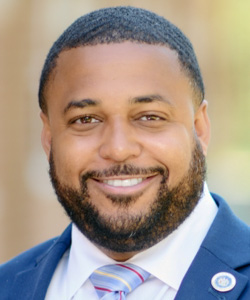
Nick Charles
Senate · District 25
|
D |
Strong +
|
100% | 83 |
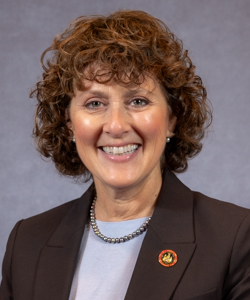
Shelly Hettleman
Senate · District 11
|
D |
Strong +
|
100% | 100 |
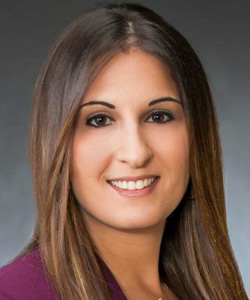
Dalya Attar
Senate · District 41
|
D |
Strong +
|
100% | 70 |
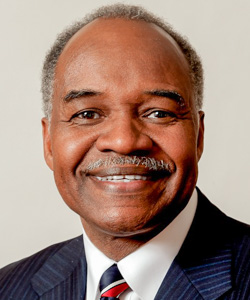
Ben Brooks
Senate · District 10
|
D |
Strong +
|
100% | 99 |
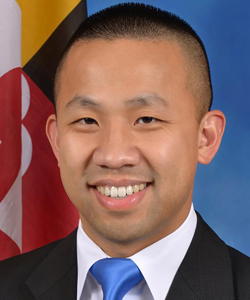
Clarence Lam
Senate · District 12
|
D |
Strong +
|
100% | 97 |
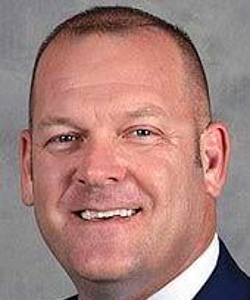
William Folden
Senate · District 4
|
R |
Strong −
|
0% | 81 |

Jason Gallion
Senate · District 35
|
R |
Strong −
|
0% | 100 |
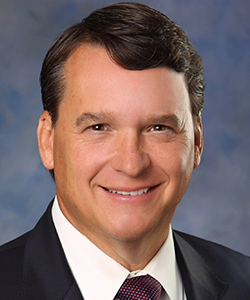
Steve Hershey
Senate · District 36
|
R |
Strong −
|
0% | 97 |
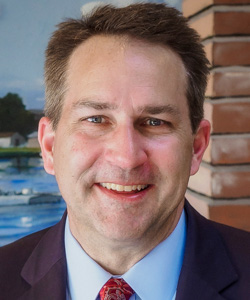
Johnny Mautz
Senate · District 37
|
R |
Strong −
|
0% | 100 |
J.B. Jennings
Senate · District 7
|
R |
Strong −
|
0% | 100 |
Showing 11–20 of 169
bills
All labor & employment bills
HB 1414: Nursing Homes - Direct Care Wages and Benefits and Cost Reports
Topics
✓ HealthcareSupports HealthcareMandates 75% revenue allocation for direct care staff wages/benefits in nursing homes, directly improving staffing quality and patient care access in healthcare facilities.
✓ Labor & EmploymentSupports Labor & EmploymentMandates 75% revenue allocation for direct care staff wages/benefits, ensuring higher compensation and compliance reporting for nursing home workers.
HB 1246: Maryland Department of Health - Employment Training and Opportunity Database
Topics
✓ HealthcareSupports HealthcareBill connects job training to Medicaid/SNAP eligibility, improving access to healthcare benefits by maintaining program eligibility through employment opportunities.
✓ Labor & EmploymentSupports Labor & EmploymentBill creates database linking job training to Medicaid/SNAP eligibility, advancing employment access and workforce opportunities.
HB 1280: Supporting Our Caregiver Infrastructure Program - Feasibility Study
Topics
✓ Budget & TaxesSupports Budget & TaxesBill studies potential tax revenue increases and reduced public benefits use, aligning with fiscal responsibility indicators for budget/taxes.
✓ HealthcareSupports HealthcareFeasibility study for caregiver payments aims to enhance healthcare infrastructure access through potential program implementation, aligning with support indicators like improved patient access and caregiver support.
✓ Labor & EmploymentSupports Labor & EmploymentBill studies caregiver payments program to assess economic benefits including job growth and reduced public benefits, aligning with expanding worker benefits in labor policy.
SB 673: State Procurement - Apprenticeship Program Accountability and Completion
Topics
✓ Budget & TaxesSupports Budget & TaxesRequires contractor payments into State Apprenticeship Training Fund, directing state funds toward workforce development program funding.
✓ Labor & EmploymentSupports Labor & EmploymentMandates state contractors to use registered apprenticeship programs meeting minimum completion rates, strengthening workforce development and employment standards through accountability measures.
HB 1165: State Procurement - Apprenticeship Program Accountability and Completion
Sub-Topics
Apprenticeships
SB 818: State Center - Development - Contract, Plan Requirements, and Advisory Group
Topics
✓ HousingSupports HousingMandates community benefits agreements, local hiring plans, and minority/women-owned business prioritization in housing development contracts, advancing equitable housing policies.
✓ Labor & EmploymentSupports Labor & EmploymentBill mandates local hiring plan with job goals and prioritizes minority/women-owned businesses, directly advancing employment standards and equitable workforce opportunities.
Sub-Topics
Property Development
SB 539: Department of Social and Economic Mobility – Workforce Opportunities Grant Program and Fund
Topics
✓ Budget & TaxesSupports Budget & TaxesCreates permanent nonlapsing fund for workforce program, increasing state budget allocation for job training initiatives.
✓ Labor & EmploymentSupports Labor & EmploymentEstablishes permanent grant program to fund job fairs/workforce events connecting job seekers with employers, advancing employment opportunities through direct funding and administration by workforce-focused department.
Sub-Topics
Workforce Development
HB 1013: Prince George’s County Special Education Service Delivery, Transparency, and Accountability Act
Topics
✓ Budget & TaxesSupports Budget & TaxesMandates county funding for special education aides' salaries/benefits, increasing public service spending under fiscal management.
✓ EducationSupports EducationMandates full-time aide funding, accountability reports, and staff development for special education, directly advancing K-12 special education services and support.
✓ HealthcareSupports HealthcareBill explicitly requires health insurance as part of benefits for student aides, expanding health coverage for school staff.
✓ Labor & EmploymentSupports Labor & EmploymentMandates full-time salaries, benefits (including health insurance), and professional development for special education aides, strengthening employment conditions and worker benefits.
HB 1241: Labor and Employment - Bereavement Leave and Leave for Family Illness - Qualifying Relationships and Type of Leave
Sub-Topics
Paid Leave