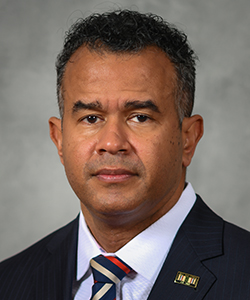
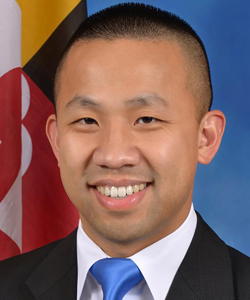
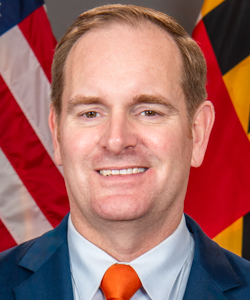
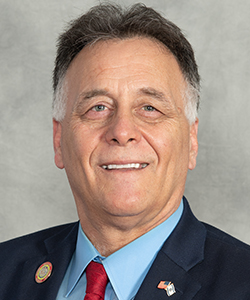
Key legislators
Who's moving healthcare in Maryland
Showing 141–145 of 145
bills
All healthcare bills
HB 922 requires the Behavioral Health Administration to update regulations to simplify the relocation process for existing behavioral health programs seeking to move to new locations. The bill adds specific provisions including an expedited approval process separate from new program applications, allowing programs to reuse unchanged prior documentation, and permitting temporary practice at a new site once life safety standards are met. It also mandates the Administration to consider a program’s past regulatory compliance to streamline reviews and establish clear timelines for relocation approvals. This change directly affects behavioral health programs needing to relocate and the Behavioral Health Administration, which must implement these rules by October 1, 2026.
HB 373 allows Maryland's State Board of Dental Examiners to conduct unannounced inspections of non-hospital dental offices to verify compliance with CDC infection control guidelines. It updates disciplinary rules for dentists, dental hygienists, and dental assistants by adding failure to follow these guidelines as grounds for license denial, suspension, or revocation. The bill also requires certified expanded function dental assistants to be properly trained and supervised, and prohibits employers from using uncertified assistants or violating specific practice standards. These changes directly affect dental professionals and their practices across Maryland.
HB 1068 requires health insurance carriers in Maryland to provide a 60-day special enrollment period for individuals who become newly hired by small businesses that do not offer employer-sponsored health plans. This applies to people purchasing coverage through the state’s health insurance marketplace (Individual Exchange) or outside it. The special enrollment period begins on the first day of employment and allows new hires to enroll in health insurance without waiting for the standard open enrollment period. The law takes effect January 1, 2027, directly benefiting newly employed workers at small businesses without health benefits.
HB 599 requires hospitals seeking a new license or undergoing ownership changes after October 1, 2026, to be federally recognized nonprofit organizations registered with the state. Specifically, it mandates that hospitals qualifying for licensure on or after that date must operate as nonprofits under federal law and maintain that status as a condition of their license. The bill also prohibits transferring ownership of any licensed hospital after October 1, 2026, to any entity other than another nonprofit organization. This directly affects hospitals seeking new licenses, renewing licenses, or changing ownership in Maryland after the effective date.
This bill requires Maryland colleges and universities to provide reasonable accommodations to students with sickle cell disease and prohibits denying them access to facilities or services based on their diagnosis. It mandates the Maryland Department of Health to create an education campaign for campus staff, develop guidelines for supporting students with sickle cell disease, and compile training materials for faculty and administrators. The law directly affects students with sickle cell disease at public and private institutions of higher education in Maryland, as well as campus staff responsible for implementing these policies. The requirements take effect October 1, 2026, with institutions needing to establish clear reporting procedures for violations.