

Issue · Budget & Taxes
Budget & Taxes (State Budget)
Every budget & taxes bill, vote, and legislator stance in Maryland, automatically classified by Maddy, our AI policy reader.
Total bills
37
2026 Regular Session
Top supporter
Stuart Schmidt
100% support rate
Top opponent
Jason Gallion
20% support rate
Ranked legislators
10
5 support · 5 oppose
Key legislators
Who's moving state budget in Maryland
| Legislator | Party | Stance | Support rate | Votes |
|---|---|---|---|---|
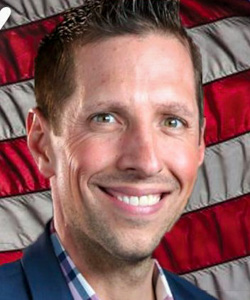
Stuart Schmidt
House · District 33B
|
R |
Strong +
|
100% | 8 |
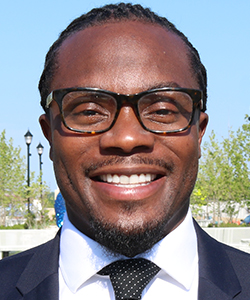
Alonzo Washington
Senate · District 22
|
D |
Strong +
|
100% | 4 |
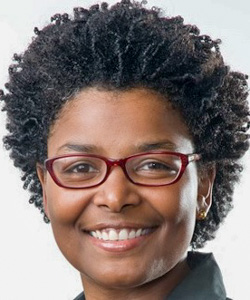
Mary Washington
Senate · District 43
|
D |
Strong +
|
100% | 3 |
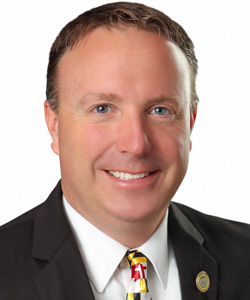
Jeff Ghrist
House · District 36
|
R |
Strong +
|
83% | 6 |
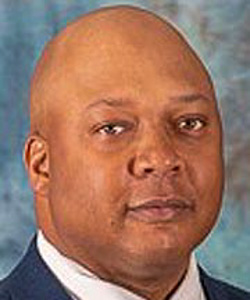
Andre Johnson
House · District 34A
|
D |
Strong +
|
80% | 5 |

Jason Gallion
Senate · District 35
|
R |
Strong −
|
20% | 5 |
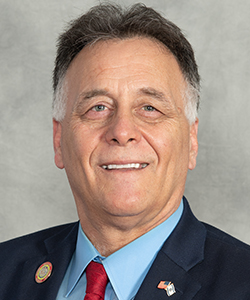
Johnny Salling
Senate · District 6
|
R |
Strong −
|
20% | 5 |
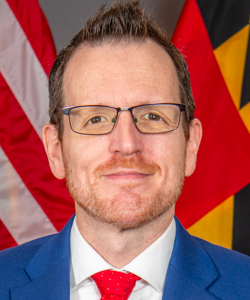
Justin Ready
Senate · District 5
|
R |
Strong −
|
20% | 5 |
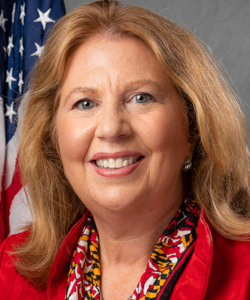
Mary Beth Carozza
Senate · District 38
|
R |
Strong −
|
20% | 5 |
Steve Hershey
Senate · District 36
|
R |
Strong −
|
20% | 5 |
Showing 11–20 of 37
bills
All budget & taxes bills
SB 602: Algorithmic Addiction Fund - Establishment
Topics
✓ Budget & TaxesSupports Budget & TaxesUses settlement funds (not new taxes) to directly fund children's programs like mental health services and digital literacy, advancing public service funding under fiscal management.
✓ EducationSupports EducationFunds school digital literacy campaigns and mental health services for students, directly supporting K-12 educational programs and student well-being.
✓ HealthcareSupports HealthcareFunds mental health treatment services (depression/anxiety) and prevention programs under Maryland Department of Health, directly supporting mental health services within healthcare.
✓ TechnologySupports TechnologyRegulates social media algorithms for child safety, using settlements to fund harm mitigation programs per bill's focus on algorithmic harm cases.
SB 860: Department of Aging – Aging Resilience Fund – Establishment
Sub-Topics
State Budget
SB 923: Solar Photovoltaic Modules, Energy Storage, and Zero-Emission Vehicles - Advisory Councils, Checkoff Programs, and Funds
Topics
✓ Budget & TaxesSupports Budget & TaxesCreates permanent funds via industry checkoff fees, establishing dedicated revenue for clean energy programs without general tax impact. Funds retain interest earnings instead of transferring to general fund.
✓ EnergySupports EnergyBill creates permanent state funds financed by industry checkoffs to promote solar, energy storage, and zero-emission vehicles through statewide marketing efforts.
SB 503: Growing Family Child Care Opportunities Program - Funding
Topics
✓ Budget & TaxesSupports Budget & TaxesMandates $450,000 annual state budget allocation for child care program grants, directly increasing public service funding.
✓ EducationSupports EducationFunds family child care programs expanding early education access and supporting providers, directly aligning with educational access under topic scope.
✓ Labor & EmploymentSupports Labor & EmploymentFunds family child care provider programs, directly supporting employment stability and operational capacity for workers in this sector.
Sub-Topics
State Budget
HB 1224: Property Taxes - Special Rate for Vacant and Abandoned Property - Charter County Tax Limitation PG 408-26
HB 1058: Youth Delinquency Prevention Fund - Establishment
Topics
✓ Budget & TaxesSupports Budget & TaxesBill establishes new state fund requiring budget appropriations for youth programs, explicitly increasing public service funding without replacing existing resources.
✓ Criminal JusticeSupports Criminal JusticeBill establishes fund for youth delinquency prevention programs, directly advancing criminal justice reform by reducing future involvement through preventive services like substance use and youth development.
SB 537: Youth Delinquency Prevention Fund - Establishment
Topics
✓ Budget & TaxesSupports Budget & TaxesBill allocates state budget appropriations to fund youth prevention programs via a non-lapsing special fund, directly advancing public service funding under fiscal management.
✓ Criminal JusticeSupports Criminal JusticeBill creates fund for youth prevention programs targeting delinquency/suicide/substance abuse, directly advancing criminal justice reform by addressing root causes to reduce future system involvement.
HB 1512: Business Regulation - Rounding Cash Transactions - Remittance to Comptroller
HB 854: School Construction - Nonpublic Special Education School Renovation Program - Established
Topics
✓ Budget & TaxesSupports Budget & TaxesEstablishes state grant program funding renovations for special education schools, allocating public funds to support essential education infrastructure and compliance with state standards.
✓ EducationSupports EducationEstablishes state grants for school renovations, safety upgrades, and infrastructure at nonpublic special education schools, directly funding educational facility improvements.