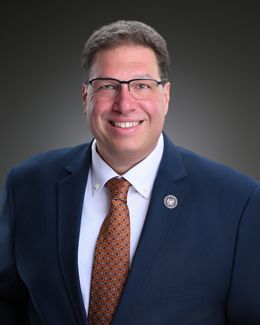
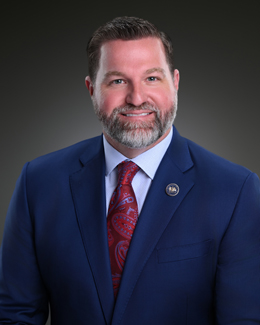
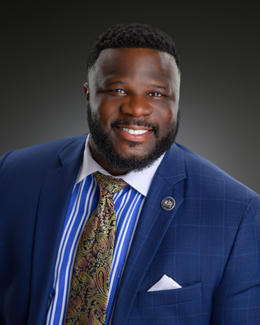
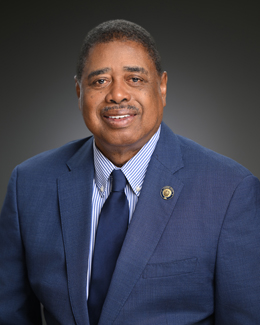
Key legislators
Who's moving courts in Louisiana
Showing 61–64 of 64
bills
All criminal justice bills
HB 823 establishes a pilot program in Orleans Parish that offers homeless individuals facing criminal charges an alternative to court proceedings. Instead of traditional sentencing, eligible defendants can participate in a diversion program providing housing assistance, mental health services, job training, and substance abuse treatment. If participants successfully complete the program’s requirements, the criminal charges are dismissed without a conviction. The program requires annual evaluations and reporting to the Louisiana Supreme Court, aiming to reduce recidivism, court workload, and prison overcrowding while addressing homelessness through community partnerships.
HB 59 requires East Baton Rouge Parish and its cities to fund specific expenses for the 19th Judicial District Court's public defender office, which serves people who cannot afford legal representation. The bill mandates that local governments cover salaries for staff (including public defenders, clerks, and investigators) and operational costs like supplies, travel, and equipment. Funding responsibility is shared proportionally between the parish and individual cities, as determined by their governing authorities. This complements existing state funding and directly affects the office's ability to provide indigent defense services in East Baton Rouge Parish.
SB 9 expands eligibility for Louisiana's Sheriffs' Pension and Relief Fund to include deputies (including those in Orleans Parish) and court criers (for the Civil District Court and Supreme Court) who are at least 18 years old and earn a minimum monthly salary. It amends existing law to automatically enroll qualifying employees in the fund, provided their salary meets the threshold (specific amounts are referenced but not detailed in the text). The bill takes effect on June 30, 2026, or later if vetoed and overridden. This is a procedural change to fund membership rules, not a new benefit.
HB 55 prohibits the public disclosure of jurors' personal information, such as names, addresses, phone numbers, email addresses, images, or likenesses, to protect juror privacy and safety. It allows courts to disclose such information only if a person demonstrates "good cause" and the court approves, while permitting courts to limit disclosures to safeguard juror identity. Violating this prohibition carries penalties of up to $1,000 fines, six months in jail, or both. The bill specifically exempts these privacy protections from Louisiana's public records laws, ensuring juror details remain confidential unless court-approved.