Issue · Budget & Taxes

Budget & Taxes

Every budget & taxes bill, vote, and legislator stance in Kentucky, automatically classified by Maddy, our AI policy reader.

Total bills
94
119th Congress
Top supporter
James Comer
82% support rate
Top opponent
Morgan McGarvey
19% support rate
Ranked legislators
8
5 support · 3 oppose
Key legislators

Who's moving budget & taxes in Kentucky

Legislators moving budget & taxes in Kentucky
Legislator Party Stance Support rate Votes
James Comer
James Comer House · District 1
R
Strong +
82% 185
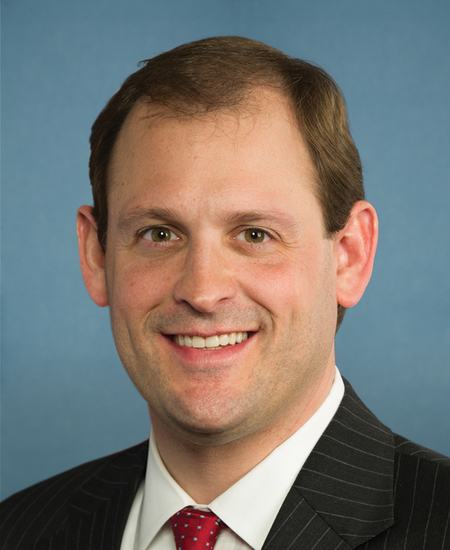
Andy Barr
Andy Barr House · District 6
R
Support
65% 181
Thomas Massie
Thomas Massie House · District 4
R
Support
61% 179
Harold Rogers
Harold Rogers House · District 5
R
Mixed
58% 183
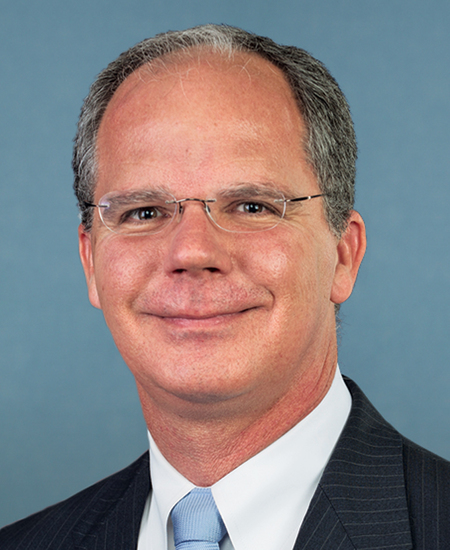
Brett Guthrie
Brett Guthrie House · District 2
R
Mixed
58% 186
Morgan McGarvey
Morgan McGarvey House · District 3
D
Strong −
19% 186
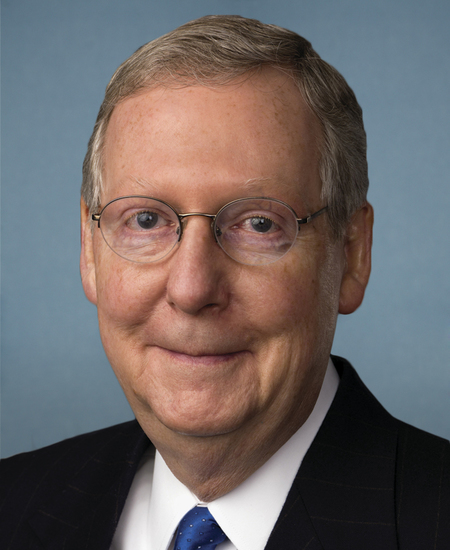
Mitch McConnell
Mitch McConnell Senate
R
Oppose
27% 258
Rand Paul
Rand Paul Senate
R
Oppose
28% 269
Showing 1–10 of 94 bills

All budget & taxes bills

in committee · United States · Senate Jul 30, 2026

S 5185: Audit the Pentagon Act

The Audit the Pentagon Act requires the Department of Defense to reduce its funding by 2 percent if it fails to receive a clean financial audit for a given year. This penalty applies to all departments, agencies, and elements within the Pentagon starting after fiscal year 2024. The withheld money is distributed proportionally across various programs and projects, while the remaining funds are sent to the Treasury to help reduce the national deficit.
in committee · United States · House Jun 24, 2026

HR 9452: Budgeting for a Better America Act

This bill, the Budgeting for a Better America Act, fundamentally changes how the federal government plans its spending by shifting the congressional budget process from an annual cycle to a biennial one, covering two consecutive fiscal years. It establishes a new National Commission on Fiscal Responsibility and Reform composed of 18 members from both political parties to propose specific policies that would reduce the federal deficit to 3% of the gross domestic product within a decade. The legislation also mandates that any joint resolution implementing the commission's recommendations be given expedited floor consideration in both the House and Senate without the possibility of amendment. Additionally, the bill requires the President to submit supplemental budget estimates annually, mandates a hearing on the nation's fiscal state, and ensures new members of Congress receive budgetary training before taking their seats.
Sub-Topics State Budget
in committee · United States · House Jun 24, 2026

HR 9250: Great American Outdoors Act 250

This bill redesignates the existing National Parks and Public Land Legacy Restoration Fund as the America's Legacy Restoration Fund to address deferred maintenance on federal lands. It directs revenue from recreation fees and a portion of energy development income into the fund, which must be used primarily for repairing critical infrastructure like roads, trails, and buildings managed by agencies such as the National Park Service and the Forest Service. The legislation establishes strict rules requiring that most funds go toward non-transportation projects, mandates transparency through public dashboards tracking project status, and sets aside a small percentage for matching private donations. Additionally, the bill increases entrance fees for foreign visitors to ensure they contribute to the fund, while prohibiting the use of these specific funds for land acquisition or employee bonuses.
in committee · United States · House May 20, 2026

HR 8914: No Taxpayer-Funded Settlement Slush Funds Act of 2026

The No Taxpayer-Funded Settlement Slush Funds Act of 2026 prohibits the use of federal money to pay specific settlements involving high-ranking government officials and their close associates. It bars payments to the President, Vice President, their immediate families, cabinet members, senior executive staff, political appointees, and individuals connected to these roles, as well as any entity owned by the President or Vice President. Additionally, the bill restricts settlements related to claims about the January 6 Capitol attack, foreign election interference, or previously dismissed lawsuits, while requiring Treasury reports for large settlements and allowing the government to seek repayment if rules are broken.
in committee · United States · House May 26, 2026

HR 9031: Young Adult Tax Credit Act

The Young Adult Tax Credit Act creates a new $500 monthly tax credit for individuals aged 18 to 24 who are U.S. citizens or residents, with the amount adjusted annually for inflation. This credit is refundable, meaning eligible recipients can receive the full benefit even if they owe no federal taxes, and it is distributed through monthly advance payments starting after December 31, 2026. To manage these payments, the bill establishes an online portal for taxpayers to manage their accounts and includes specific rules to prevent fraud and ensure funds are not subject to garnishment for debts like child support. The legislation also mandates a government outreach campaign to help eligible young adults, particularly those from underrepresented populations, understand and claim the credit.
Sub-Topics Income Tax Tax Credits
in committee · United States · House May 26, 2026

HR 9036: American High-Speed Rail Act

The American High-Speed Rail Act expands federal funding and streamlines regulations to support the development of high-speed and higher-speed rail projects across the United States. It authorizes billions of dollars in grants for corridor planning, technology improvements, and construction, while allowing the federal government to cover up to 100% of project costs under specific conditions. The bill also introduces new provisions to facilitate land acquisition, prioritize border projects, and extend labor protections to workers involved in federally funded rail infrastructure. Additionally, the legislation defines higher-speed rail as trains traveling between 110 and 186 miles per hour and includes tax incentives for rail carriers that sell or lease property to support these projects.
Sub-Topics Rail
passed · United States · House Jun 11, 2026

HR 8464: Stopping Fraudulent Payments Act

The Stopping Fraudulent Payments Act directs federal agencies to temporarily delay, condition, or split payments when there is a high risk of fraud or if a recipient is flagged in the Do Not Pay system. Under this law, agencies must notify payees of any pauses, explain the specific risk indicators involved, and allow recipients to contest the decision within a set timeframe. The bill requires that payments be resolved within 45 days and protects government officials from personal liability if they act in good faith to stop suspicious transactions. Additionally, it allows for the exemption of routine, historically consistent payment amounts while investigating anomalous or unusually large portions of a transfer.
in committee · United States · House May 14, 2026

HR 8739: Brownfields Revitalization for a Better Tomorrow Act

The Brownfields Revitalization for a Better Tomorrow Act expands funding and support for cleaning up and redeveloping contaminated properties known as brownfields. It increases the maximum grant amounts available for site remediation and adds new criteria to prioritize projects located on former military bases or in small communities. The legislation also mandates regular audits of how federal funds are used, requires states to maintain public inventories of brownfield sites, and directs the EPA to provide technical assistance to organizations that have previously been unsuccessful in securing grants. Additionally, the bill authorizes new studies to evaluate the effectiveness of existing loan programs and to explore the feasibility of creating a larger loan program for complex cleanup projects.
in committee · United States · House Apr 30, 2026

HR 8591: No Capital Gains Tax on Family Farms Act

This bill, titled the No Capital Gains Tax on Family Farms Act, would allow farmers to sell their land to immediate family members without paying capital gains tax on the profit. To qualify, the property must have been used as a farm for at least two years within the eight years prior to the sale, and the buyer must be a spouse, lineal descendant, or their spouse. If the new owner keeps the farm for ten years, the property's tax basis will be adjusted upward to reflect its fair market value at the time of the sale. The law applies to sales occurring after its enactment and requires the IRS to issue regulations to guide its implementation.
Tags Agriculture
passed · United States · House Jun 9, 2026

HR 8463: Pre-Payment Fraud Prevention and Treasury Data Access Act

This bill establishes new pre-payment verification requirements for federal agencies to prevent fraud before any money is disbursed. It mandates that agencies confirm a payee's identity, bank account validity, and eligibility using a centralized "Do Not Pay" system that cross-references data from the Treasury, IRS, and Social Security Administration. Additionally, the legislation requires recipients of federal awards over $50,000 to submit a one-time report detailing how they intend to use the funds within 180 days of receiving them. The act also expands the types of sensitive data the Treasury can access to detect improper payments while including specific privacy protections and penalties for unauthorized disclosure.
Showing 1 to 10 of 94 bills
1 2 3 10 Next