

Issue · Labor & Employment
Labor & Employment
Every labor & employment bill, vote, and legislator stance in Iowa, automatically classified by Maddy, our AI policy reader.
Total bills
252
2025-2026 Regular Session
Top supporter
Dan Dawson
88% support rate
Top opponent
Tom Jeneary
8% support rate
Ranked legislators
10
5 support · 5 oppose
Key legislators
Who's moving labor & employment in Iowa
| Legislator | Party | Stance | Support rate | Votes |
|---|---|---|---|---|

Dan Dawson
Senate · District 10
|
R |
Strong +
|
88% | 31 |

Josh Turek
House · District 20
|
D |
Strong +
|
86% | 52 |

Rob Johnson
House · District 34
|
D |
Strong +
|
80% | 59 |

Bob Kressig
House · District 75
|
D |
Strong +
|
80% | 60 |

Lindsay James
House · District 71
|
D |
Support
|
79% | 53 |

Tom Jeneary
House · District 3
|
R |
Strong −
|
8% | 59 |
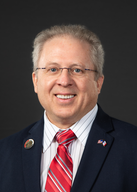
Tom Gerhold
House · District 84
|
R |
Strong −
|
13% | 56 |

Barb Kniff McCulla
House · District 37
|
R |
Strong −
|
19% | 62 |

Megan Jones
House · District 6
|
R |
Strong −
|
19% | 62 |

David Young
House · District 28
|
R |
Strong −
|
19% | 63 |
Showing 31–40 of 252
bills
All labor & employment bills
HJR 2011: A joint resolution proposing an amendment to the Constitution of the State of Iowa relating to benefits accrued under public retirement systems.
Topics
✓ Budget & TaxesSupports Budget & TaxesProtects accrued retirement benefits from future budget cuts, ensuring continued government spending on this obligation per constitutional contract.
✓ Labor & EmploymentSupports Labor & EmploymentProtects public employees' accrued retirement benefits from reductions, directly advancing worker benefit security under Labor & Employment.
SF 2211: A bill for an act relating to the Iowa medical freedom Act, including limitations on requiring medical interventions by businesses, governmental entities, and educational institutions, modifying state authority during public health disasters, and including effective date provisions.
Topics
✗ HealthcareOpposes HealthcareProhibits mandatory medical interventions (e.g., vaccines) in businesses/schools, restricting healthcare mandates rather than advancing coverage or funding.
✓ Labor & EmploymentSupports Labor & EmploymentBill prohibits requiring medical interventions (e.g., vaccines) for employment, banning discrimination in hiring/pay based on medical status, directly protecting workers' rights in employment conditions.
Sub-Topics
Public Health
HF 2321: A bill for an act relating to membership in the protection occupation category of the Iowa public employees’ retirement system for certain social workers.
HF 2267: A bill for an act relating to the maximum amount of unemployment benefits payable during a benefit year.
Sub-Topics
Unemployment
HSB 685: A bill for an act relating to assaults on persons engaged in certain occupations and harassment against public utility employees or contractors, and making penalties applicable.
Topics
✗ Criminal JusticeOpposes Criminal JusticeIncreases penalties with mandatory minimums for assaults on utility workers, aligning with 'oppose' indicators of harsher sentencing.
✓ Labor & EmploymentSupports Labor & EmploymentIncreases penalties for assaults against public utility workers during job duties, directly enhancing workplace safety and protecting workers' rights per bill's focus on harassment and assaults.
HF 2385: A bill for an act prohibiting the misclassification of employees as independent contractors, providing penalties, and including applicability provisions.
HF 2588: A bill for an act establishing a water and wastewater operator apprenticeship and work release pilot program for inmates, and making appropriations.
Topics
✓ Budget & TaxesSupports Budget & TaxesBill appropriates $500,000 for a pilot program addressing workforce shortages, directly funding a state initiative under budgetary allocation.
✓ Criminal JusticeSupports Criminal JusticeProvides vocational training and work release for inmates to reduce recidivism and improve post-release employment, aligning with criminal justice reform goals.
✓ Labor & EmploymentSupports Labor & EmploymentProvides vocational training and employment pathways for inmates, addressing workforce shortages and supporting post-release employment opportunities.
SSB 3156: A bill for an act relating to assaults on persons engaged in certain occupations and harassment against public utility employees or contractors, and making penalties applicable.
Topics
✗ Criminal JusticeOpposes Criminal JusticeBill increases penalties for assaults on protected workers, expanding criminalization and harsher sentencing per indicators for 'oppose'.
✓ Labor & EmploymentSupports Labor & EmploymentProtects public utility workers by increasing penalties for assaults against them, enhancing workplace safety protections under Labor & Employment.
HF 2457: A bill for an act establishing the credential-attainment program within the department of workforce development, making appropriations, and including effective date provisions.
Topics
✓ Budget & TaxesSupports Budget & TaxesBill provides employer tax credits (up to 10% of wages) and makes appropriations to fund workforce program, directly using tax policy to support funding and incentives.
✓ EducationSupports EducationBill establishes K-12 career credential program with employer partnerships, expanding student access to industry certifications and job guarantees, directly supporting educational access and career pathways.
✓ Labor & EmploymentSupports Labor & EmploymentGuarantees high-wage jobs (200% poverty level) and provides employer tax credits to fund workforce program, advancing employment standards and career pathways for students.