

Issue · Labor & Employment
Labor & Employment
Every labor & employment bill, vote, and legislator stance in Iowa, automatically classified by Maddy, our AI policy reader.
Total bills
252
2025-2026 Regular Session
Top supporter
Dan Dawson
88% support rate
Top opponent
Tom Jeneary
8% support rate
Ranked legislators
10
5 support · 5 oppose
Key legislators
Who's moving labor & employment in Iowa
| Legislator | Party | Stance | Support rate | Votes |
|---|---|---|---|---|

Dan Dawson
Senate · District 10
|
R |
Strong +
|
88% | 31 |

Josh Turek
House · District 20
|
D |
Strong +
|
86% | 52 |

Rob Johnson
House · District 34
|
D |
Strong +
|
80% | 59 |

Bob Kressig
House · District 75
|
D |
Strong +
|
80% | 60 |

Lindsay James
House · District 71
|
D |
Support
|
79% | 53 |

Tom Jeneary
House · District 3
|
R |
Strong −
|
8% | 59 |
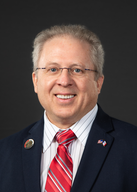
Tom Gerhold
House · District 84
|
R |
Strong −
|
13% | 56 |
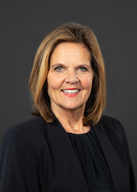
Barb Kniff McCulla
House · District 37
|
R |
Strong −
|
19% | 62 |

Megan Jones
House · District 6
|
R |
Strong −
|
19% | 62 |

David Young
House · District 28
|
R |
Strong −
|
19% | 63 |
Showing 21–30 of 252
bills
All labor & employment bills
HF 2466: A bill for an act relating to apprenticeships and other career training and making appropriations.
SF 2437: A bill for an act relating to health insurance coverage for surviving spouses and children of deceased fire fighters and peace officers, and health insurance coverage for disabled or injured fire fighters and peace officers.
Topics
✓ HealthcareSupports HealthcareRequires employers to provide full health insurance coverage for surviving families of fallen first responders and disabled officers, expanding access to healthcare benefits for vulnerable groups.
✓ Labor & EmploymentSupports Labor & EmploymentRequires employers to pay full health insurance premiums for injured/disabled firefighters and their families, expanding worker benefits and protections for high-risk laborers.
Sub-Topics
Insurance
HSB 668: A bill for an act relating to state policies, programs, and licenses with race, gender, or citizenship requirements.
Topics
✓ EducationSupports EducationRequires schools/universities to implement affirmative action plans addressing underrepresentation, promoting equitable hiring and access in education.
✓ Labor & EmploymentSupports Labor & EmploymentMandates affirmative action plans for underrepresentation in state hiring, requiring training and reporting to strengthen equal employment opportunity per bill summary.
Sub-Topics
Public Employees
HR 106: A resolution urging the members of Congress to support the Major Richard Star Act to allow medically retired service members to receive full access to their much-deserved retirement pay and benefits.
Topics
✓ Labor & EmploymentSupports Labor & EmploymentBill expands retirement benefits for medically retired veterans by eliminating the pay reduction penalty, directly protecting earned benefits for a worker group under employment standards.
✓ VeteransSupports VeteransUrges Congress to support Major Richard Star Act, restoring full retirement pay for medically retired veterans currently losing benefits due to disability rating rules.
HF 2458: A bill for an act establishing the teacher and para-educator grant program within the department of workforce development, and making appropriations.
Topics
✓ Budget & TaxesSupports Budget & TaxesBill allocates $3.5M in new appropriations for educator grants, directly funding workforce development through state budget spending.
✓ EducationSupports EducationEstablishes $3.5M grant program for para-educator/teacher education, funding associate/bachelor's degrees, directly advancing educator workforce development and access.
✓ Labor & EmploymentSupports Labor & EmploymentProvides state grants for para-educator/teacher education, funding workforce development and career advancement in education sector.
HF 2378: A bill for an act increasing the state minimum hourly wage and providing for subsequent increases by the same percentage as the increase in federal social security benefits.
SF 2414: A bill for an act relating to automated decision systems used by employers.
Topics
✓ Labor & EmploymentSupports Labor & EmploymentRequires employers to disclose automated decision systems' impact on employment, protecting workers' rights to understand AI-driven workplace decisions per bill's notice mandate.
✓ TechnologySupports TechnologyRequires transparency in employer AI systems to protect employee privacy and prevent biased outcomes, aligning with data privacy regulations.
Sub-Topics
Artificial Intelligence
SSB 3111: A bill for an act relating to early childhood and family services, including the creation of an early childhood and family services system, state child care assistance for the child care workforce, making appropriations, and including effective date provisions.
Topics
✓ HealthcareSupports HealthcareCreates ECFS system under Health Department, providing prevention/intervention services for children, expanding public health support through state funding.
✓ Labor & EmploymentSupports Labor & EmploymentBill provides state child care assistance specifically for the child care workforce, directly funding and supporting this labor sector within early childhood services.
Tags
Children
HF 2637: A bill for an act relating to the confidentiality of peer support communications for public safety officers and civilian employees.
Topics
✓ Criminal JusticeSupports Criminal JusticeProtects peer support confidentiality for law enforcement, reducing barriers to mental health resources and aligning with criminal justice reform goals of officer well-being and accountability.
✓ HealthcareSupports HealthcareProtects mental health peer support confidentiality for public safety workers, encouraging access to mental health services without fear of disclosure in legal proceedings.
✓ Labor & EmploymentSupports Labor & EmploymentProtects confidential peer support communications for public safety workers, enhancing workplace safety and mental health support without fear of disclosure in disciplinary actions.