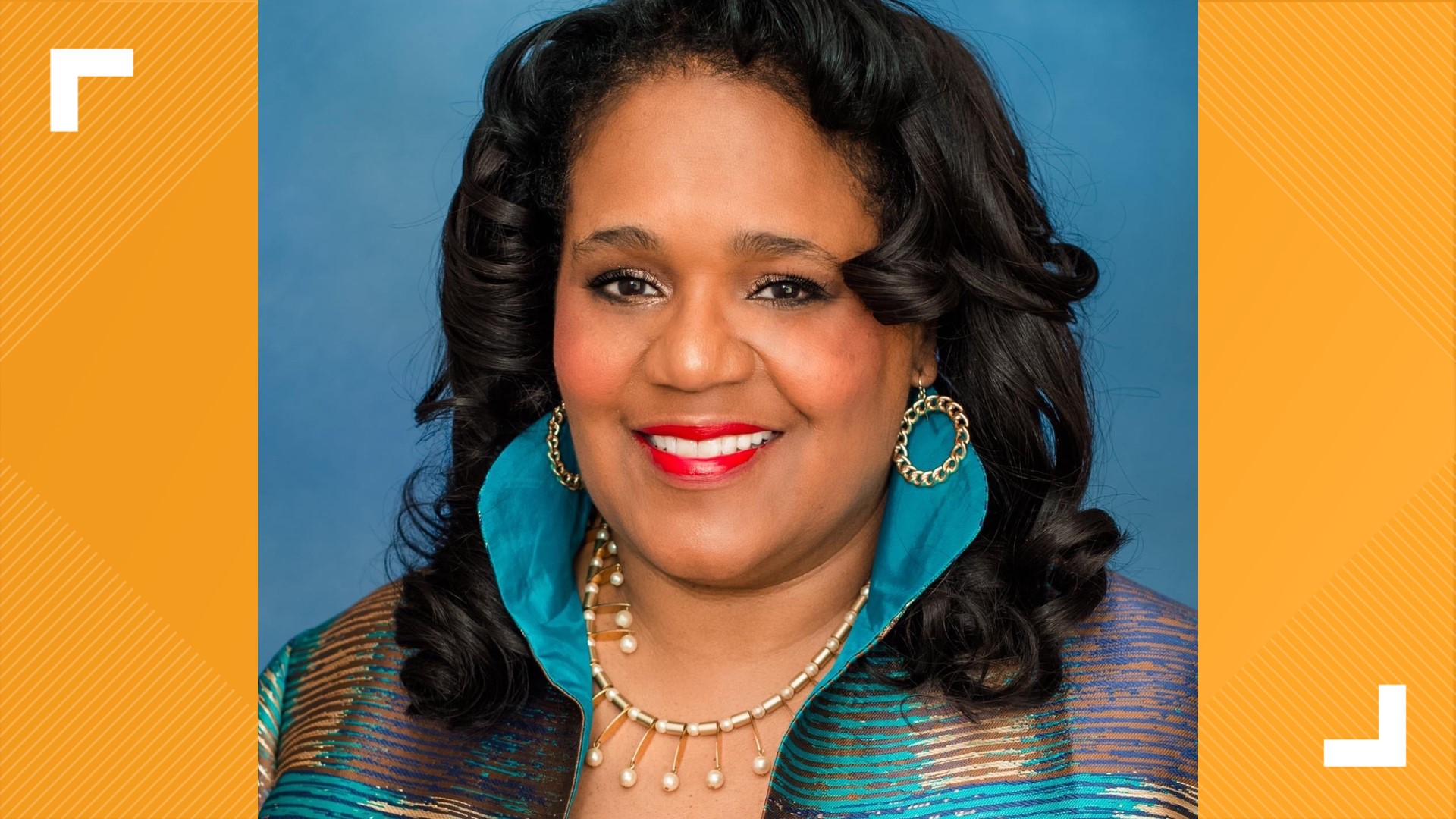
Key legislators
Who's moving budget & taxes in Iowa
Showing 3 of 3
bills
All budget & taxes bills
This bill establishes a Choose Iowa school purchasing program that matches school district spending on local agricultural products with state funding, allowing schools to purchase meat, poultry, dairy, grains, eggs, honey, and produce from Iowa farms at a one-to-one reimbursement rate. It also creates a Choose Iowa food bank purchasing program that provides matching funds to Iowa food banks and emergency feeding organizations for similar local food purchases, with a cap of $50,000 per organization annually. The legislation authorizes the Department of Agriculture and Land Stewardship to administer these programs, set membership criteria for participating farms and businesses, and use up to 5% of program funds for administrative costs. Additionally, the bill allocates $1.75 million annually to support renewable fuel infrastructure for retail motor fuel sites and $150,000 for program administration.
HF 872 proposes to amend the criteria for an enterprise to qualify as a "targeted small business" in Iowa. The bill directly affects small businesses that are majority-owned and operated by women, minority persons, service-disabled veterans, or persons with a disability. It increases the maximum annual gross income threshold for these businesses to qualify, raising it from less than $4 million to less than $10 million, averaged over the three preceding fiscal years. This change would allow more businesses to be recognized under the "targeted small business" designation.
HF 579 adjusts funding limits for school districts providing programs for at-risk students, alternative school attendees, or returning dropouts. It sets a 2.5% cap on supplemental funding relative to a district's total regular program costs for fiscal years starting July 1, 2013, and later, with a historical adjustment for districts exceeding this cap before 2013. Starting in 2026, districts could exceed the 2.5% limit to 5% if approved by local voters through an election. The bill directly affects school districts receiving these specific supplemental funds, requiring voter approval for higher funding levels beyond 2025.