Issue · Labor & Employment

Labor & Employment

Every labor & employment bill, vote, and legislator stance in Illinois, automatically classified by Maddy, our AI policy reader.

Total bills
427
119th Congress
Top supporter
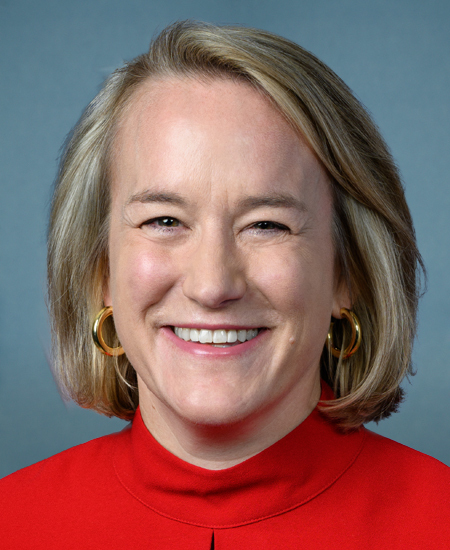
Nikki Budzinski
69% support rate
Top opponent
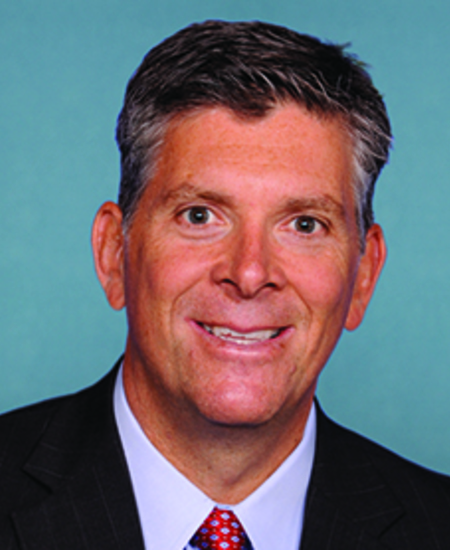
Darin LaHood
33% support rate
Ranked legislators
7
5 support · 2 oppose
Key legislators

Who's moving labor & employment in Illinois

Legislators moving labor & employment in Illinois
Legislator Party Stance Support rate Votes
Nikki Budzinski
Nikki Budzinski House · District 13
D
Support
69% 198
Eric Sorensen
Eric Sorensen House · District 17
D
Support
69% 198
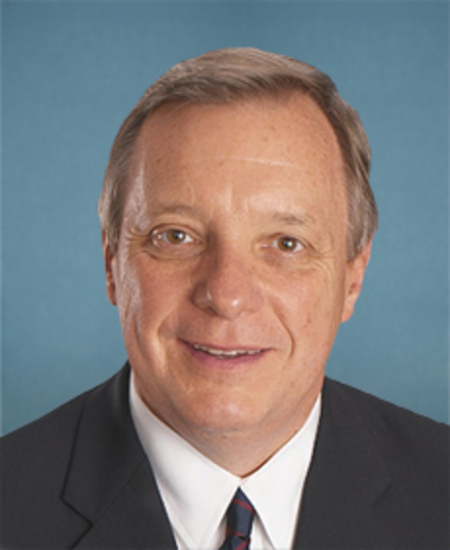
Richard J. Durbin
Richard J. Durbin Senate
D
Support
62% 211
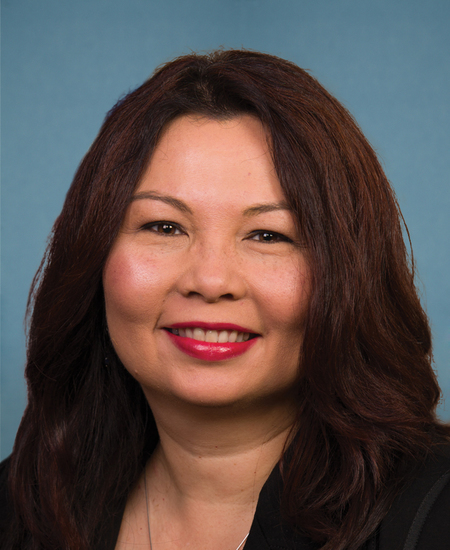
Tammy Duckworth
Tammy Duckworth Senate
D
Support
62% 208
Janice D. Schakowsky
Janice D. Schakowsky House · District 9
D
Support
62% 190
Darin LaHood
Darin LaHood House · District 16
R
Oppose
33% 175
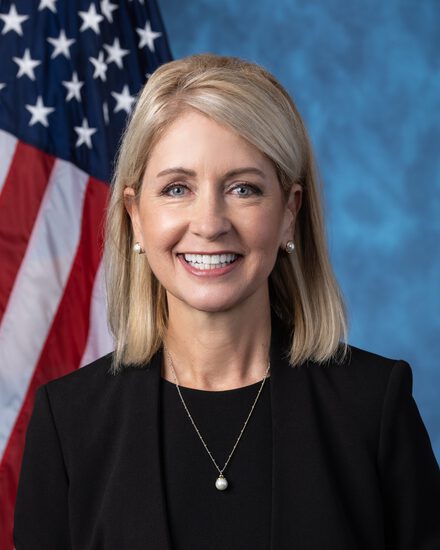
Mary E. Miller
Mary E. Miller House · District 15
R
Oppose
38% 189
Showing 1–10 of 427 bills

All labor & employment bills

in committee · United States · House Sep 8, 2026

HR 10323: Thirty-Two Hour Workweek Act

The Thirty-Two Hour Workweek Act amends the Fair Labor Standards Act to establish a new standard for overtime pay, requiring employers to pay time-and-a-half for hours worked beyond thirty-two hours per week. The bill also introduces daily overtime rules that mandate premium pay for workdays exceeding eight or twelve hours. To allow businesses to adjust, the law phases in the weekly overtime threshold over four years, starting at thirty-eight hours and decreasing by two hours each year until it reaches thirty-two. Employers are prohibited from reducing an employee's total compensation or benefits as a result of these new coverage requirements.
in committee · United States · House Sep 2, 2026

HR 10239: Equal Pay for Equal Work Act

The Equal Pay for Equal Work Act establishes a new National Equal Pay Enforcement Task Force composed of representatives from the Equal Employment Opportunity Commission, the Department of Justice, the Department of Labor, and the Office of Personnel Management. The task force is charged with coordinating these agencies to close gaps in enforcement and improve public education regarding equal pay laws. Its specific duties include investigating challenges related to pay inequity, advancing recommendations to address those issues, and creating action plans to implement the proposed solutions.
in committee · United States · House Sep 3, 2026

HR 10297: El Salvador TPS Act of 2026

The El Salvador TPS Act of 2026 requires the Secretary of Homeland Security to grant Temporary Protected Status (TPS) to individuals from El Salvador. This designation would remain in effect until a date 18 months after September 9, 2026. The bill directly affects eligible residents of El Salvador by providing them with legal protection and work authorization during this specified period.
Sub-Topics Work Authorization
in committee · United States · House Sep 3, 2026

HR 10273: Fairness for Farm Workers Act

The Fairness for Farm Workers Act amends the Fair Labor Standards Act to end the long-standing exemption that allows agricultural workers to be denied overtime pay. The bill introduces a phased schedule requiring employers to pay farm workers time-and-a-half for hours worked beyond a set threshold, which gradually decreases from 55 hours in 2027 to the standard 40 hours by 2030. Small farms with 25 or fewer employees are given a three-year delay, reaching full compliance by 2033. Additionally, the legislation removes several other exemptions that currently allow agricultural employers to bypass federal wage and hour protections.
Sub-Topics Child Labor Labor Standards Minimum Wage Tags Agriculture
in committee · United States · House Aug 6, 2026

HR 10063: Green New Deal for Public Housing Act

The Green New Deal for Public Housing Act directs the Department of Housing and Urban Development to provide grants to public housing agencies and tribal entities for the comprehensive rehabilitation, energy upgrades, and modernization of public housing stock. These funds are intended to transform properties into zero-carbon homes by installing renewable energy systems, electrifying appliances, and repairing infrastructure, while also establishing workforce development programs that offer training, apprenticeships, and stipends to residents and local low-income workers. The bill mandates strict labor standards, including prevailing wages and the use of U.S.-made materials, and requires agencies to maintain or increase the total number of public housing units while prioritizing resident participation through elected councils and community engagement processes.
in committee · United States · House Aug 6, 2026

HR 10056: Nurse Overtime and Patient Safety Act of 2026

The Nurse Overtime and Patient Safety Act of 2026 prohibits healthcare providers from requiring registered, licensed practical, or licensed vocational nurses to work mandatory overtime beyond a previously scheduled shift, 48 hours in a week, or 12 consecutive hours. The bill allows exceptions during declared emergencies or disasters but requires that alternative staffing measures be attempted first and that the extended work does not extend past the end of the emergency response. Providers who violate these limits face civil money penalties of up to $10,000 per violation, with harsher fines for repeated offenses, and are required to post nurse schedules and rights notices in visible locations. Additionally, the legislation protects nurses from retaliation if they refuse mandatory overtime or report violations, while mandating that the Department of Health and Human Services study safe working hour standards and the Office of Management and Budget review practices in federally operated medical facilities.
in committee · United States · House Jul 30, 2026

HR 9995: Restoring Justice for Workers Act

The Restoring Justice for Workers Act prohibits employers from forcing workers to agree to arbitration for workplace disputes and bans agreements that prevent employees from joining together to seek legal relief. Under this bill, any contract requiring arbitration before a dispute arises would be invalid, while agreements made after a dispute occurs must be truly voluntary, require plain language explanations, include a 45-day waiting period, and receive explicit written consent from the worker. The legislation also makes it illegal to retaliate against employees who refuse to sign arbitration clauses and ensures that courts, rather than arbitrators, decide whether these arbitration agreements are valid. Additionally, the act amends the National Labor Relations Act to explicitly forbid employers from interfering with employees' rights to engage in collective actions regarding their work. These changes apply to all workers, including independent contractors, and take effect immediately upon enactment.
Sub-Topics Labor Standards
in committee · United States · House Aug 6, 2026

HR 10057: Early Childhood Educator Professional Improvement Act of 2026

The Early Childhood Educator Professional Improvement Act of 2026 authorizes the Department of Health and Human Services to provide five-year grants to States aimed at improving the training, pay, and credentials of early childhood educators. To receive funding, States must submit detailed plans outlining how they will collaborate with various education and childcare groups to establish professional standards, create career ladders, and offer accessible higher education options for working educators. Grant money can be used to offer scholarships for bachelor's degrees, support educators in obtaining necessary licenses, raise salaries to match those of other professionals, and fund ongoing professional development in areas like child development and cultural competence. The bill requires that these federal funds supplement existing state and local resources rather than replace them, and it mandates that States maintain their current spending levels on these activities.
in committee · United States · Senate Jul 30, 2026

S 5190: Restoring Justice for Workers Act

The Restoring Justice for Workers Act prohibits employers from requiring workers to sign agreements that force them to resolve disputes through individual arbitration rather than in court or as part of a group. It bans retaliation against employees who refuse to arbitrate and mandates that any post-dispute arbitration agreements be truly voluntary, requiring plain language explanations, a 45-day waiting period, and written consent. The bill also amends the National Labor Relations Act to make it illegal for employers to enter into or enforce contracts that prevent workers from joining together to file joint or class-action lawsuits regarding workplace rights. These changes apply to all workers, including independent contractors, and take effect immediately upon enactment.
in committee · United States · Senate Jul 29, 2026

S 5168: Comprehensive Paid Leave for Federal Employees Act

This bill expands paid family and medical leave benefits for a wide range of federal workers, including those in the Executive Office of the President, the Postal Service, and the District of Columbia courts. It primarily increases the amount of paid leave available for specific events, such as the birth or adoption of a child, by allowing employees to take up to 26 workweeks of leave in total, which includes a separate 12-week portion for other family and medical needs. The legislation also clarifies that leave for adoption can begin before the child is placed with the family to support necessary pre-placement activities. Additionally, it updates the rules for various federal agencies to ensure their leave programs align with these new standards and covers employees who might have previously received different types of paid leave under separate laws.
Sub-Topics Paid Leave
Showing 1 to 10 of 427 bills
1 2 3 43 Next