Issue · Labor & Employment

Labor & Employment

Every labor & employment bill, vote, and legislator stance in Illinois, automatically classified by Maddy, our AI policy reader.

Total bills
18
119th Congress
Top supporter
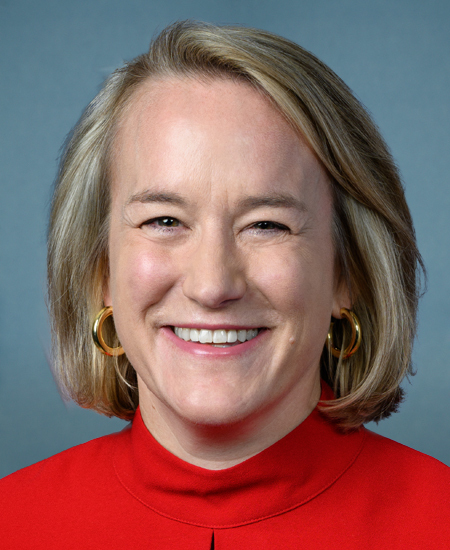
Nikki Budzinski
69% support rate
Top opponent
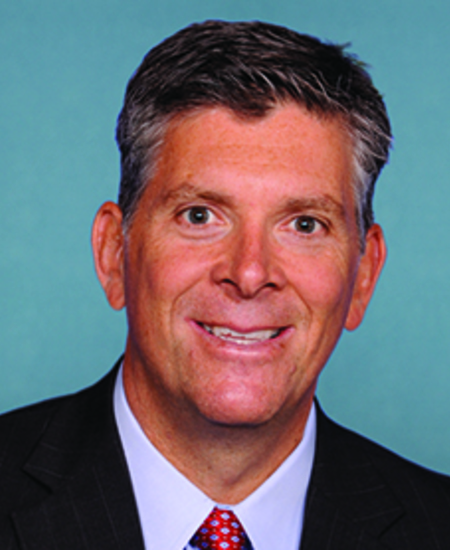
Darin LaHood
33% support rate
Ranked legislators
7
5 support · 2 oppose
Key legislators

Who's moving labor & employment in Illinois

Legislators moving labor & employment in Illinois
Legislator Party Stance Support rate Votes
Nikki Budzinski
Nikki Budzinski House · District 13
D
Support
69% 198
Eric Sorensen
Eric Sorensen House · District 17
D
Support
69% 198
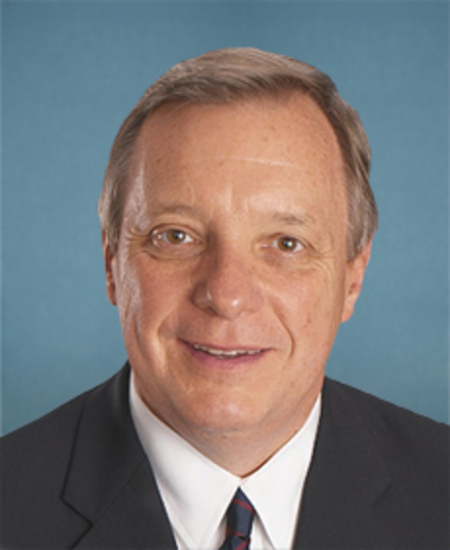
Richard J. Durbin
Richard J. Durbin Senate
D
Support
62% 211
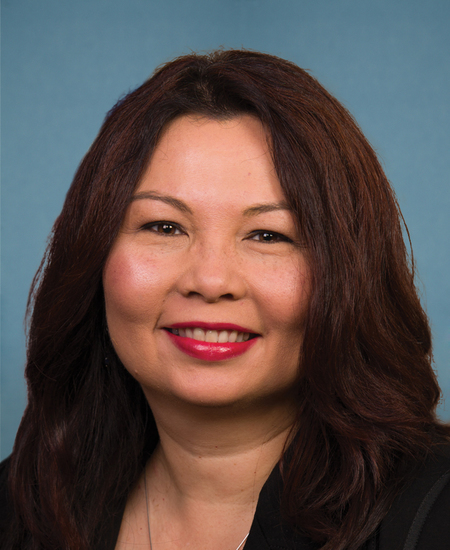
Tammy Duckworth
Tammy Duckworth Senate
D
Support
62% 208
Janice D. Schakowsky
Janice D. Schakowsky House · District 9
D
Support
62% 190
Darin LaHood
Darin LaHood House · District 16
R
Oppose
33% 175
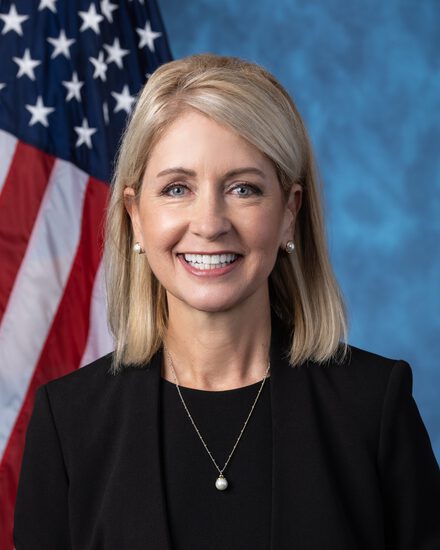
Mary E. Miller
Mary E. Miller House · District 15
R
Oppose
38% 189
Showing 1–10 of 18 bills

All labor & employment bills

in committee · United States · House Apr 9, 2026

HR 8213: Defending Women in the Workplace Act

This bill amends Title VII of the Civil Rights Act of 1964 to clarify that protections against sex discrimination do not extend to gender identity. It directly affects employers, employees, and individuals involved in workplace discrimination claims by explicitly excluding gender identity from the definition of sex-based discrimination. The key provision is a rule of construction that interprets existing federal law in a specific way, rather than creating new protections or restrictions. This change would limit the scope of federal sex discrimination claims to biological sex rather than including gender identity as a protected category.
in committee · United States · House Mar 25, 2025

HR 2315: Fairness for High-Skilled Americans Act of 2025

Fairness for High-Skilled Americans Act of 2025 This bill eliminates the Optional Practical Training Program or any successor program, unless Congress expressly authorizes such a program. (The program provides an F-1 student visa holder temporary employment authorization before or after completion of the student's studies, or both.)
Sub-Topics Work Authorization
in committee · United States · House Jan 23, 2025

HR 687: MERIT Act of 2025

The MERIT Act of 2025 makes significant changes to federal personnel management by repealing Chapter 43 performance-based actions and modifying procedures for disciplinary actions, furloughs, and bonus recoupment. It extends probationary periods for senior executives (to 2 years) and competitive service employees (to 2 years), establishes new rules for reducing retirement benefits of employees convicted of felonies related to their federal service, and creates standardized procedures for adverse actions including written notice requirements and response periods. The bill also allows agencies to recoup bonuses for misconduct and modifies procedures for handling furloughs of more than 14 days. These changes apply to all federal employees across government agencies and aim to clarify and streamline personnel management processes.
Sub-Topics Public Employees
in committee · United States · House Mar 5, 2025

HR 1882: Saving Gig Economy Taxpayers Act

This bill modifies tax reporting rules for gig economy platforms (like Uber or DoorDash) by reinstating a pre-American Rescue Plan threshold. It requires third-party payment platforms to report income to the IRS only if a gig worker earns over $20,000 in a year or completes more than 200 transactions. This directly affects low-earning gig workers who would no longer receive tax forms for smaller earnings. The change simplifies reporting for platforms and reduces administrative burden on workers with minimal income from these platforms.
Sub-Topics Gig Economy
in committee · United States · House Apr 10, 2025

HR 2819: DRIVE Act

HR 2819, the DRIVE Act, prohibits the Federal Motor Carrier Safety Administration from requiring speed limiting devices on trucks weighing over 26,000 pounds operating in interstate commerce. This directly affects commercial truck drivers and carriers that operate large vehicles across state lines. The bill blocks the agency from implementing any rule mandating speed limiters that would cap these trucks' maximum speed. It prevents a potential new federal requirement for trucking companies without altering existing safety standards.
in committee · United States · House Jan 28, 2026

HR 7248: MARINA Act

HR 7248 (MARINA Act) standardizes fees and lease terms for marinas operating on Corps of Engineers waterways. It caps rent at 1% of marina sales (including food, fuel, and boat services), creates fixed administrative fee tiers ($50,000 for major projects, $5,000 for moderate reviews, $1,000 for routine matters), and sets minimum lease terms at 50 years for initial agreements. The bill also prohibits requiring wages above federal minimum wage and mandates a public fee schedule. It directly affects all marina operators under Corps leases, ensuring consistent pricing and reducing arbitrary fees across all districts.
Sub-Topics Minimum Wage
in committee · United States · House Feb 12, 2026

HR 2870: Working Families Flexibility Act of 2025

HR 2870, the Working Families Flexibility Act of 2025, allows private sector employees to earn compensatory time off (instead of overtime pay) at a 1.5:1 ratio for hours worked beyond 40 in a week. Employees must agree in writing to this option before work begins, have worked at least 1,000 hours with the employer in the past year, and cannot accrue more than 160 hours of compensatory time. Employers must pay employees for unused compensatory time by January 31 each year (or a chosen 12-month period), at the higher of their regular pay rate when the time was earned or their final rate. The bill applies only to private employers (not government workers), includes penalties for employers who pressure employees about the option, and expires after five years.
in committee · United States · House Dec 12, 2025

HR 6685: To amend the Internal Revenue Code of 1986 to establish an exception for multiemployer plan participants to the requirements for automatic enrollment.

This bill exempts multiemployer pension plans from automatic enrollment requirements under the Internal Revenue Code. Specifically, it amends Section 414A(c)(3) to explicitly exclude multiemployer plans (defined under Section 414(f)) from rules requiring automatic enrollment in retirement plans. This change directly affects workers enrolled in union-sponsored multiemployer pension plans, allowing these plans to avoid automatic enrollment obligations. The amendment applies to taxable years beginning after December 31, 2024.
in committee · United States · House Jul 16, 2025

HR 4448: Restoring Equal Opportunity Act

HR 4448, the Restoring Equal Opportunity Act, prohibits lawsuits alleging discrimination based on "disparate impact" in employment and housing. It amends the Civil Rights Act of 1964 and Fair Housing Act to ban claims where a neutral policy (like a test or screening rule) unintentionally disadvantages protected groups (such as race or gender), even if there was no discriminatory intent. The bill also nullifies specific federal regulations implementing civil rights laws, removing legal grounds for such claims under current enforcement rules. This directly affects employers, housing providers, and federal agencies that enforce civil rights laws, changing how discrimination claims can be brought in court.
in committee · United States · House Mar 24, 2025

HR 2304: Ensuring Access to Affordable and Quality Home Care for Seniors and People with Disabilities Act

This bill clarifies and preserves existing labor law exemptions for home care workers under the Fair Labor Standards Act. It specifically defines "companionship services" to include non-medical in-home care (like bathing, meal prep, and medication reminders) and ensures these services remain exempt from overtime pay requirements, even when provided through third-party agencies. The bill directly affects home care aides, agencies employing them, and the seniors/disabled individuals receiving care. It does not create new benefits or funding but maintains current labor exemptions for this workforce.
Showing 1 to 10 of 18 bills
1 2 Next