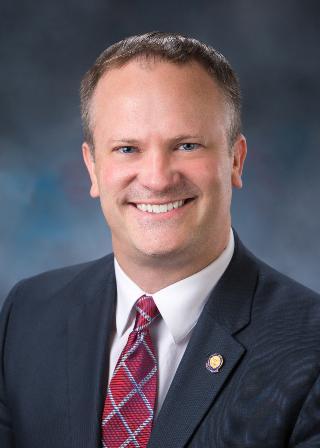
This bill, known as the Idaho Parental Rights Act, establishes and protects parents' fundamental right to make medical decisions for their minor children. It requires health care providers and government entities to obtain parental consent before providing nonemergency medical services to children under 18, with limited exceptions for emergencies or when parents have given blanket written consent. The law also creates a legal mechanism allowing parents to sue state or local governments if their parental rights are violated, and if they win, they can recover attorney fees and costs. Additionally, the bill repeals previous laws that allowed minors to consent to certain medical treatments without parental permission and removes confidentiality protections that might prevent parents from accessing their children's medical information.
This bill requires all infants and newborns in Idaho to be screened for hearing loss before leaving a hospital, health care facility, or birthing facility. For births outside these settings, screening must occur within 21 days of birth. The screening must use approved methods (like otoacoustic emissions) and results must be reported to the Idaho Educational Services for the Deaf and Blind (IESDB) within seven days. The law is contingent on maintaining federal funding for these screenings, and would not take effect if federal support ends and state costs increase.
This bill creates a Medicaid exemption from prior approval requirements for healthcare providers who mentor medical students. Practitioners in family medicine, psychiatry, or OB/GYN qualify if they provide 360+ hours of preceptorship (with 60% in rural/underserved areas) to graduate students at Idaho institutions. Idaho's Department of Health and Welfare verifies hours and grants a 12-month exemption starting the next calendar year. The exemption is limited to 100 providers per specialty annually and may be revoked if claims fail risk-based quality reviews.
This bill expands exemptions for newborn health screenings in Idaho. It allows parents or guardians to opt out based on religious, philosophical, or conscientious beliefs (previously only religious objections were permitted), or by providing a physician's certification that screenings would endanger the child's health. The change directly affects parents seeking exemptions for infants' required screenings under current law. It takes effect July 1, 2026, after passing unanimously in the Idaho Senate.
H 724 establishes specific safety rights for children in Idaho foster care, including the right to a safe environment, freedom from abuse, timely medical assessments, and consideration of safety during placement changes. The bill requires the Idaho Department of Health and Welfare to provide a written notice of these rights to each child at initial placement, placement changes, and annually, with foster homes required to post the notice. These rights must be addressed within existing court proceedings for foster care cases but do not create new legal claims or enforcement mechanisms. The law aims to ensure foster children’s safety through clear, accessible protections already integrated into current foster care processes.
H 591 repeals Idaho Code Section 31-3502, which previously defined eligibility criteria for financial assistance programs. This change directly affects individuals seeking state financial aid who would have been evaluated under the repealed law. The bill removes the existing eligibility rules but does not establish new requirements or programs. It takes effect on July 1, 2026, as declared an emergency.
This bill creates the Idaho Rural Health Transformation Fund and establishes a Rural Health Transformation Committee to manage federal grant money for rural health initiatives. The fund will receive money from federal grants and can only be used for purposes approved by the federal government, with all spending subject to annual public reporting. The nine-member committee includes legislative members from both chambers and a nonvoting member from the governor's office, and it will oversee how funds are distributed, evaluate program success, and ensure sustainability plans are in place for funded projects. The committee must report quarterly progress updates to the Department of Health and Welfare and can recommend fund usage to the legislature within federal guidelines.
Idaho's S 1331 reduces state funding for education programs in fiscal year 2026 by $22.3 million from the Public School Income Fund and transfers money to the General Fund. It directly affects public schools (teachers and student support), Idaho's universities (including Boise State, Idaho State, and the University of Idaho), community colleges, and education programs like medical residencies and career technical education. Key mechanisms include cutting specific budget line items (e.g., $5.4 million for Boise State University, $1.8 million for student administrators), reducing authorized staff positions, and reallocating funds. The bill declares an emergency to expedite these fiscal adjustments.