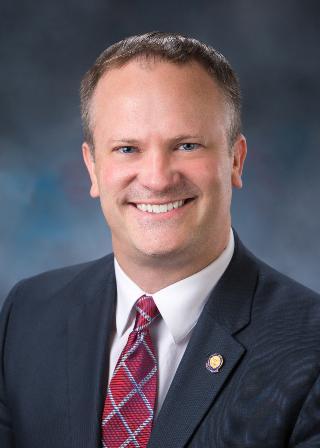
H 727 updates Idaho's laws on video voyeurism and the disclosure of realistic computer-generated media (like deepfakes). It revises definitions to better protect privacy, clarifying what constitutes "intimate areas" and places where people reasonably expect privacy, such as changing rooms or bedrooms. The bill creates a new offense for knowingly sharing synthetic media depicting an identifiable person in sexual acts or intimate areas without consent - this is a misdemeanor, but becomes a felony (up to 10 years in prison or $25,000 fine) if the victim is under 18 or the person has a prior conviction. This directly affects individuals who create or share such media without consent and law enforcement handling related cases.
This Idaho bill removes the requirement for verifying immigration status when applying for crime victims compensation. It amends state law (Section 67-7903) to explicitly exempt this program from verification rules, directly affecting crime victims seeking state-funded financial assistance. Under the change, applicants no longer need to prove "lawful presence" to access compensation under Title 72, Chapter 10. This policy change applies specifically to victims of crime who qualify for state compensation programs.
This bill repeals Idaho Code section 19-5301 and establishes Chapter 63, the "Idaho Son of Sam Law," requiring payments to offenders from crime-related publicity (e.g., book deals, interviews, or paid appearances) to be placed into a state escrow account for five years. Victims of crimes can claim these funds through court orders during the escrow period, while offenders receive any remaining money after five years if no valid claims are filed. The law explicitly excludes regular wages, unrelated income, works that only briefly mention the crime, and news/documented works with standard interview fees. It clarifies the law regulates only money earned from crime publicity, not free speech, and imposes civil penalties for noncompliance.