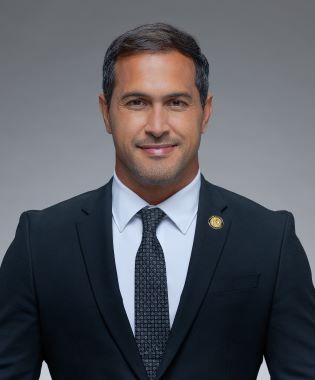
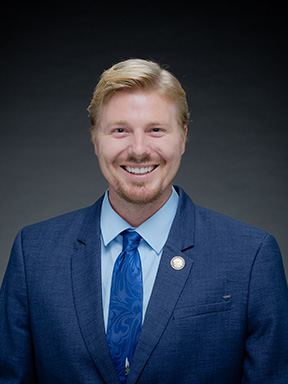
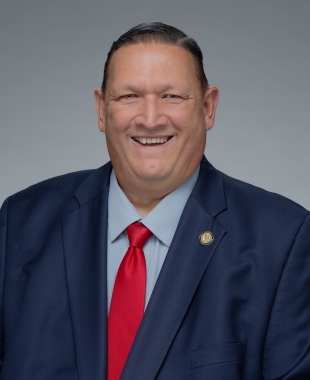
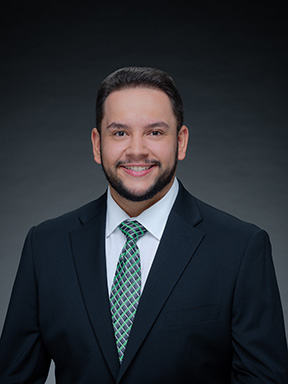
HCR 8 is a concurrent resolution urging Hawaiian counties to approve building permits for home safety modifications within 45 days of receiving a complete application. It specifically targets modifications (like ramps or grab bars) recommended by a healthcare provider for older adults (62+) or people with disabilities, when the county deems them essential for safety or health. The resolution does not create new law but seeks to reduce delays that contribute to fall risks and hospitalizations, emphasizing counties must act on complete applications within the 45-day timeframe.
HCR 6 is a Hawaii legislative resolution affirming that hospitals must provide life-saving emergency care - including abortion services when medically necessary - to stabilize pregnant patients under the federal Emergency Medical Treatment and Active Labor Act (EMTALA). It addresses confusion caused by recent shifts in federal guidance about EMTALA's requirements, particularly following the 2025 rescission of federal affirmations supporting emergency abortion care. The resolution urges all Hawaii hospitals, including religiously affiliated ones, to uphold EMTALA's standards without delay or denial of care. It does not create new law but reinforces Hawaii's commitment to ensuring pregnant patients receive timely emergency treatment as required by federal statute.
This House Resolution urges Maui Health to partner with state agencies and medical stakeholders to create a full-time medical residency program on Maui, addressing a critical shortage of physicians that worsened after the 2023 wildfires. The bill specifically recommends using federal Rural Health Transformation Program funding to cover initial costs while seeking additional resources from grants and private partnerships. It requests collaboration with the John A. Burns School of Medicine and local health centers, and asks Maui Health to submit a progress report to the Legislature by early 2027. This non-binding resolution aims to improve access to primary care and specialist services for Maui's underserved population without mandating specific actions.
This bill is a House Resolution that asks health maintenance organizations in Hawaii to follow state laws requiring them to pay medical claims on time. It highlights that current enforcement of these payment rules is weak and often only happens after complaints are filed. The resolution directs state agencies to ensure HMOs comply with the Clean Claims Statute, which mandates payment within thirty days for paper claims or fifteen days for electronic submissions. The measure aims to protect healthcare providers from financial strain and ensure patients in rural and underserved areas maintain access to care.
This House Resolution asks Hawaii's Disability and Communication Access Board to study how deaf, hard of hearing, and deaf-blind individuals communicate in healthcare settings and to develop updated guidelines for providers. The study will examine interpreter availability, patient preferences, special needs in hospitals and nursing facilities, and legal obligations for effective communication. Based on the findings, the Board will revise current guidance and submit a report with recommendations to the Legislature by early 2027. The resolution directs copies to the Director of Health and Board members to ensure healthcare facilities better serve patients with hearing and vision disabilities.
This bill requests that Hawaii's Departments of Health, Human Services, and Education create a coordinated plan to address fetal alcohol spectrum disorders (FASD), which affect individuals exposed to alcohol during pregnancy. The plan would explore establishing a statewide FASD coordinator, strategies for accessing federal funding, and methods to improve awareness and treatment services across the state. Departments are asked to include recommendations for training healthcare and education professionals, reducing reliance on foster care and the criminal justice system, and lowering economic barriers to early intervention. The departments must submit their findings and any proposed legislation to the Legislature by December 15, 2026.
This bill asks the City and County of Honolulu and the Statewide Office on Homelessness and Housing Solutions to create a strategic plan for addressing homelessness and behavioral health needs on the Waianae Coast. The plan must include an analysis of emergency response times, hospital usage for psychiatric crises, available crisis beds, service gaps, and coordination between outreach teams and first responders. It also requires evaluating the feasibility of a regional crisis stabilization center and identifying any legal or budget changes needed to improve outcomes. Community-based service providers must be involved in developing the plan, which will be reported to the Legislature by March 2027.
This House Resolution asks the Governor's Senior Advisor for Mental Health and the Justice System to create a plan for increasing access to the Hawaii State Hospital for mentally ill criminal defendants and individuals recently released from the facility. The request is based on concerns that the hospital is currently at full capacity, with most patients being evaluated for fitness to stand trial, which limits available space for other needed placements. The resolution directs the Senior Advisor to develop a strategy for creating shelter placements for these populations and submit a report with findings and recommendations to the Legislature by the end of 2026. This measure focuses on improving coordination among state agencies to address placement shortages rather than changing existing laws or funding levels.
This Hawaii House Resolution urges the U.S. Congress to pass H.R. 2687, the End Kidney Deaths Act, which would create a federal tax credit system to encourage living kidney donations to strangers. The bill aims to address kidney disease disparities affecting rural and low-income communities by increasing the number of available organ donors through financial incentives for non-directed donations. The resolution highlights that kidney transplantation is more effective than dialysis for saving lives and reducing long-term healthcare costs, while noting that existing donor protections remain in place. This measure is presented as a bipartisan effort to expand access to life-saving transplants and reduce the number of patients waiting for kidneys.
This bill is a House Resolution that urges Hawaii state and local officials to stop using "excited delirium" as a medical diagnosis, cause of death, or legal theory. It directly affects law enforcement agencies, medical professionals, courts, and county governments across Hawaii by calling for the prohibition of this term in official records and legal proceedings. The resolution states that "excited delirium" is not recognized by major medical organizations or included in standard diagnostic manuals, and it requests that medical and legal decisions instead rely on scientifically validated principles. Named the Haleck Resolution in memory of a veteran who died during a law enforcement encounter, it asks county mayors and council chairs to adopt this guidance to ensure accountability and accurate reporting.