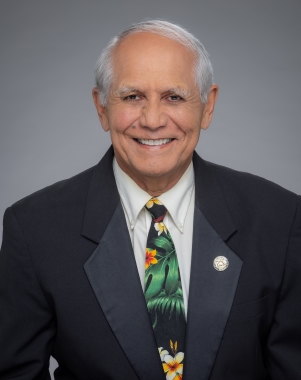
SCR 9 is a non-binding resolution urging Hawaii counties to freeze property taxes on the primary residences of homeowners aged 75 and older. This would directly assist elderly homeowners, who face financial strain from Hawaii's high cost of living and fixed incomes, by reducing a major recurring expense. The freeze would apply only to primary residences and end if the property is sold, transferred, or the homeowner is no longer the owner. The resolution is addressed to county officials to encourage voluntary action but does not require counties to implement the policy.
Grants twenty-year licenses for casinos in the New Aloha Stadium Entertainment District and Hawaii Convention Center. Establishes the Hawaii Gaming Control Commission. Imposes fifteen per cent wagering tax on gross receipts. Establishes the State Gaming Fund and Compulsive Gambler Program. Appropriates funds. (SD1)
For taxable years beginning after 12/31/2025, temporarily reinstates the Technology Infrastructure Renovation Tax Credit and expands the definition of "technology-enabled infrastructure" to include data servers. Requires the Department of Taxation to submit a report to the Legislature. Effective 7/1/3000. (HD1)
Part I: Effective 1/1/2026, requires corporations to include in their income the income of all foreign subsidiaries to the State; applies the State's apportionment formula to determine the share of reported profits subject to the appropriate tax, which shall be deposited into the state general fund; and requires corporations to report all profits, losses, revenues, and inter-company transactions made and all taxes paid in other states. Part II: Establishes within DOTAX a Corporate Tax Law Task Force to annually review the State's corporate tax laws and recommend updates to close tax loopholes.
HB 1273 removes a tax deduction for real estate investment trusts (REITs) by disallowing their "dividends-paid deduction" for tax purposes. This change directly affects REITs operating in the state, requiring them to pay tax on income they previously could offset with this deduction. The policy takes effect for taxable years starting after December 31, 2025. The bill is currently pending in the 2026 legislative session.
HB 1677 appropriates state funds for capital improvement projects within the Thirty-First Representative District. This bill directly affects residents and local infrastructure in that specific district by allocating resources for projects like building repairs or facility upgrades. The bill is in its early stages, having been introduced and referred to committee in January 2026.
HB 2477 allocates state funds for capital improvement projects (such as infrastructure or facility upgrades) specifically within the 15th, 16th, and 17th Representative Districts. The bill directly affects residents and local governments in those districts by providing financial resources for physical improvements. It is a funding measure, not a new law, and its provisions involve directing state capital funds to designated geographic areas for approved projects. The bill was introduced on January 27, 2026, and referred to the Finance Committee.
Makes permanent the amendments made by Act 163, SLH 2023, to the state earned income tax credit and refundable food/excise tax credit. Amends the income thresholds and credit amounts for the low-income household renters tax credit and refundable food/excise tax credit. Amends the state earned income tax credit. Applies to taxable years beginning after 12/31/2024.
Establishes the Climate Health and Environmental Action Special Fund in the Department of Land and Natural Resources to minimize the impacts of, and respond to, climate crises, which, beginning 1/1/2026, will be funded by a $25 tax on transient accommodations. Exempts certain housing used for emergencies during a state disaster from the Transient Accommodations Tax. Appropriates funds.
Increases the cap for awards to assist businesses applying for the Small Business Innovation Research Grant Program and the Small Business Technology Transfer Grant Program of the Hawaii Technology Development Corporation. Adds purchasing of renewable energy systems as an eligible expense and clarifies that training on both new and existing manufacturing equipment is an eligible expense for the Manufacturing Development Grant Program. Clarifies that no tax credit is available for renewable energy systems purchased with a grant received under the Manufacturing Development Grant Program.