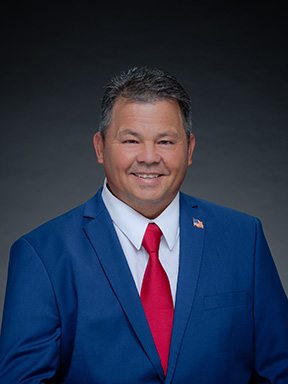
This Hawaii House Resolution urges the U.S. Congress to pass H.R. 2687, the End Kidney Deaths Act, which would create a federal tax credit system to encourage living kidney donations to strangers. The bill aims to address kidney disease disparities affecting rural and low-income communities by increasing the number of available organ donors through financial incentives for non-directed donations. The resolution highlights that kidney transplantation is more effective than dialysis for saving lives and reducing long-term healthcare costs, while noting that existing donor protections remain in place. This measure is presented as a bipartisan effort to expand access to life-saving transplants and reduce the number of patients waiting for kidneys.
This House Resolution expresses support for using the Dwelling Unit Revolving Fund to provide interim loans for predevelopment costs on government affordable housing projects in Hawaii. The measure aims to help cover expenses like site analysis, technical studies, design work, and permit preparation before construction begins. It specifies that developers would repay these loans through the project's permanent financing source to the Hawaii Housing Finance and Development Corporation. This resolution does not change existing laws but formally endorses a funding approach to help expedite affordable housing delivery.
Authorizes the Department of Agriculture and Biosecurity to package and sell a portion of its agricultural loan portfolio to permitted third parties. Appropriates funds out of the Agricultural Loans Revolving Fund to increase its expenditure ceiling. Effective 7/1/2050. (SD1)
This resolution formally supports the Native Hawaiian Intellectual Property Working Group's request for additional resources and an extended timeline to complete its work during fiscal year 2026-2027. The Working Group, composed of representatives from various Native Hawaiian organizations, was established to develop solutions for protecting Native Hawaiian intellectual property from inappropriate appropriation. By approving this request, the legislature acknowledges the need for sufficient time to conduct culturally appropriate community consultations and ensure the group's recommendations reflect the collective views of Native Hawaiians.
This bill is a concurrent resolution that formally supports the Native Hawaiian Intellectual Property Working Group's request for additional funding and an extended timeline to complete its work through fiscal year 2026-2027. The resolution acknowledges the group's role in protecting Native Hawaiian cultural and traditional knowledge from misappropriation and recognizes the need for more time to conduct community consultations that reflect Native Hawaiian perspectives. By approving this request, the legislature affirms its commitment to honoring the state's constitutional duty to preserve Native Hawaiian rights and cultural assets. The measure does not create new laws or programs but serves as an official endorsement of the working group's operational needs.
This bill declares that affordable housing credits issued in Hawaii are perpetual assets that remain valid until they are used to meet housing obligations, rather than expiring after a set period. It directly affects local county governments and developers who rely on these credits to fulfill affordable housing requirements under state law. The resolution clarifies that administrative agreements between counties and housing agencies should not impose expiration dates or other restrictions that are not authorized by existing statutes. By ensuring these credits maintain their full value and transferability, the bill aims to protect the financial incentives for developers and support the state's long-term housing goals.
This bill is a non-binding resolution that asks the U.S. Congress to provide financial relief to Hawaii households affected by higher prices caused by federal tariffs. It specifically targets families struggling with increased costs for food, fuel, and essential goods, with special attention to low-income residents and those on neighbor islands. The resolution urges Congress to create a rebate or refund program to offset these expenses and to address the constitutional concerns surrounding the tariff policies. It does not create any new laws or programs itself but serves as a formal recommendation to federal lawmakers.
This bill is a state-level resolution from Hawaii urging the U.S. Congress to provide taxpayer relief for households affected by tariff-related cost increases. It asks Congress to acknowledge the economic harm caused by federal tariff policies, particularly in Hawaii where residents face higher costs due to reliance on imported goods. The resolution requests that Congress consider enacting legislation to offer rebates or financial benefits to offset these increased expenses, with special attention to low-income families and neighbor island communities. It also calls for Congress to reaffirm its constitutional authority over taxation and trade to prevent similar economic impacts in the future.
Allows tax credits claimed under the State Low-Income Housing Tax Credit Program to be used to offset taxes imposed by the state transient accommodations tax law. Specifies that tax credit amounts applied to state transient accommodations taxes be limited to state transient accommodations taxes imposed in the same county in which the qualified low-income building is located. Makes permanent Act 129, SLH 2016. Applies to taxable years beginning after 12/31/2027. Effective 7/1/3000. (SD1)
Requires the Auditor to conduct a financial audit of each charter school under the State Public Charter School Commission. Requires a report to the Legislature. Requires the State Public Charter School Commission to take action based on the Auditor's recommendations. Appropriates funds. Effective 7/1/3000. (HD1)