Issue · Immigration

Immigration

Every immigration bill, vote, and legislator stance in Georgia, automatically classified by Maddy, our AI policy reader.

Total bills
87
119th Congress
Top supporter
Nikema Williams
81% support rate
Top opponent
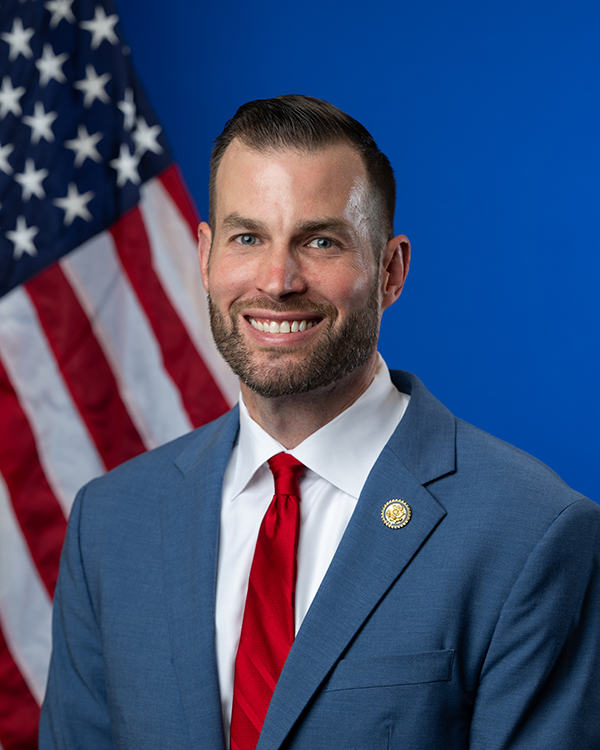
Clay Fuller
17% support rate
Ranked legislators
9
4 support · 5 oppose
Key legislators

Who's moving immigration in Georgia

Legislators moving immigration in Georgia
Legislator Party Stance Support rate Votes
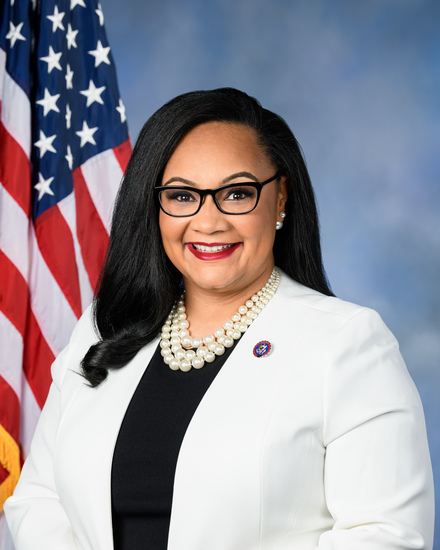
Nikema Williams
Nikema Williams House · District 5
D
Strong +
81% 145
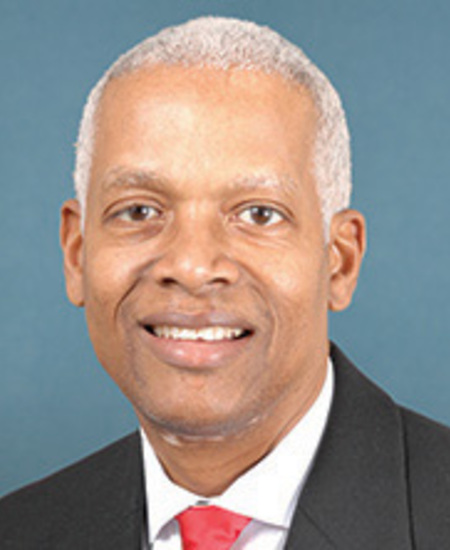
Henry C. "Hank" Johnson, Jr.
Henry C. "Hank" Johnson, Jr. House · District 4
D
Strong +
81% 150
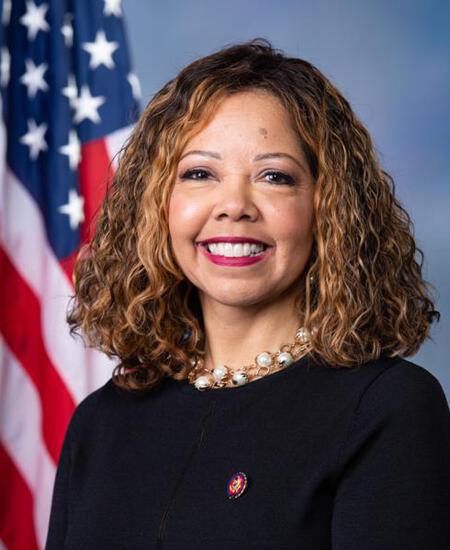
Lucy McBath
Lucy McBath House · District 6
D
Support
74% 146
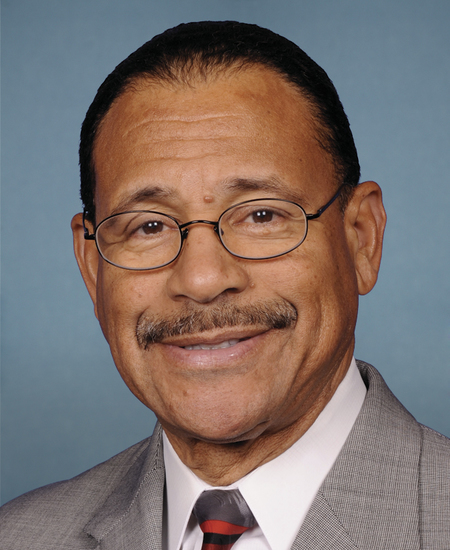
Sanford D. Bishop, Jr.
Sanford D. Bishop, Jr. House · District 2
D
Support
74% 144
Clay Fuller
Clay Fuller House · District 14
R
Strong −
17% 40
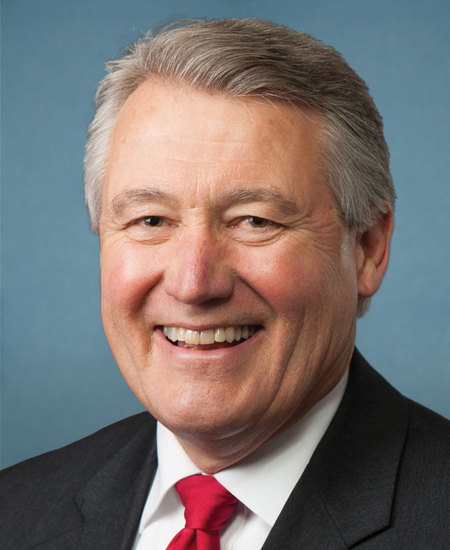
Rick W. Allen
Rick W. Allen House · District 12
R
Strong −
19% 149
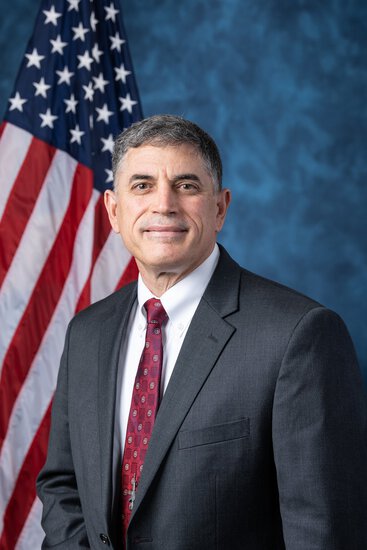
Andrew S. Clyde
Andrew S. Clyde House · District 9
R
Strong −
19% 145
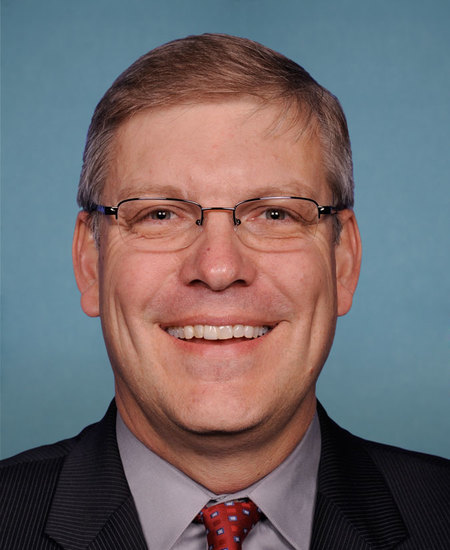
Barry Loudermilk
Barry Loudermilk House · District 11
R
Strong −
19% 145
Earl L. "Buddy" Carter
Earl L. "Buddy" Carter House · District 1
R
Strong −
19% 146
Showing 1–10 of 87 bills

All immigration bills

passed · United States · House Sep 1, 2026

HRES 1490: Providing for the condemnation and denouncement of socialism in all its forms, and for other purposes.

This resolution states that the House of Representatives condemns and denounces socialism in all its forms, including the Democratic Socialists of America, and opposes the implementation of socialist policies in the United States; reaffirms its support for free, fair, and secure elections and calls for enactment of the SAVE America Act; reiterates that American elections are for American citizens only; and recommits itself to upholding the U.S. Constitution.
in committee · United States · House Sep 2, 2026

HR 10222: No HUD Funding for Sanctuary Cities Act

This bill would prohibit any state or local government designated as a "sanctuary jurisdiction" from receiving grant funds distributed by the Department of Housing and Urban Development (HUD). A jurisdiction is defined as a sanctuary if it has laws, policies, or practices that restrict officials from sharing information about an individual's immigration status or from complying with federal requests to detain or notify about the release of individuals. The funding restriction would apply to grants distributed 180 days after the bill's enactment. To determine which jurisdictions qualify for this ineligibility, the HUD Secretary is required to consult with the Secretary of Homeland Security.
in committee · United States · House Jul 15, 2026

HRES 1434: Supporting the efforts of the Trump Administration to obtain a rehearing of the decision of the Supreme Court of the United States in Trump v. Barbara, and for other purposes.

This House resolution expresses support for the Trump Administration's effort to seek a rehearing of the Supreme Court's decision in *Trump v. Barbara*, which ruled that children born in the United States to parents who are unlawfully or temporarily present are citizens at birth. The bill urges the Solicitor General to file a petition for rehearing and calls on the House Judiciary Committee to monitor the case for potential legislative or oversight action. It cites concerns about commercial "birth tourism" schemes exploiting the ruling as a reason to revisit the decision before it becomes final law.
in committee · United States · House Jul 22, 2026

HR 9854: Citizenship Act of 2026

The Citizenship Act of 2026 redefines the term "invader" to include individuals who are unlawfully present in the United States or those seeking entry specifically for the purpose of giving birth. Under this legislation, children born in the U.S. to these designated invaders would not be entitled to birthright citizenship if their mothers were not lawfully admitted or if the parents do not meet specific residency requirements. The bill also explicitly excludes children born through commercial surrogacy contracts involving nationals of certain countries from acquiring citizenship. Additionally, the act declares that courts cannot review the President's or Congress's determination that an invasion is occurring.
in committee · United States · House Jul 23, 2026

HR 9824: Daycare Not Detentions Act of 2026

The Daycare Not Detentions Act of 2026 provides additional funding to the Department of Health and Human Services to support child care programs, including the Child Care and Development Block Grant, Head Start, and preschool development grants. These funds are intended to help states and organizations cover necessary expenses for these programs through fiscal year 2029. The bill also rescinds $70 billion in previously allocated money for U.S. Customs and Border Protection and U.S. Immigration and Customs Enforcement that has not yet been spent. Overall, the legislation redirects federal resources toward early childhood education and care rather than immigration enforcement activities.
in committee · United States · House Jul 23, 2026

HR 9919: Ban Birth Tourism Act of 2026

This bill, known as the Ban Birth Tourism Act of 2026, aims to prevent non-immigrants from entering the United States specifically to give birth and secure citizenship for their children. It directly affects foreign nationals who plan to visit the U.S. with the primary goal of having a child there to obtain a U.S. passport. Under the new rules, immigration officials can deny entry to anyone suspected of engaging in birth tourism or deport those who have already entered for that purpose. The law defines birth tourism as entering the country with the main intent of obtaining citizenship for a child or being likely to give birth within 10 months of arrival to achieve that status. Decisions on whether someone is engaging in birth tourism will be based on the reasonable judgment of government officials such as those at the Department of Homeland Security.
in committee · United States · House Jul 14, 2026

HR 9667: Securing Healthcare and Income Entitlements for Lawfully Domiciled Citizens (SHIELD Citizens) Act

The SHIELD Citizens Act aims to restrict access to federal welfare programs, such as food assistance, Medicaid, and housing aid, exclusively to United States citizens. By amending existing laws, the bill removes eligibility for noncitizens, including lawfully domiciled residents, while preserving access to emergency medical care, disaster relief, and services like soup kitchens. The legislation includes a transition period allowing current recipients to keep their benefits for up to 180 days after the law takes effect, which is set to begin 180 days after enactment. This change directly impacts noncitizen families who currently rely on these safety net programs, narrowing the pool of eligible individuals to citizens only.
Sub-Topics Medicaid
in committee · United States · House Jul 9, 2026

HR 9633: Birthright Citizenship Clarification Act of 2026

The Birthright Citizenship Clarification Act of 2026 would amend federal law to change how citizenship at birth is determined for children born in the United States. Under this proposal, a child born in the U.S. to parents who are present temporarily or unlawfully would not automatically receive citizenship, while also preserving historical exceptions for children of foreign diplomats and those born on foreign ships. The bill specifically defines temporary presence to include holders of student, work, tourist, and other nonimmigrant visas, as well as participants in the Visa Waiver Program. These changes would apply only to individuals born after the law takes effect, leaving the citizenship status of those born before that date unchanged.
in committee · United States · House Jun 29, 2026

HR 9514: Homeownership Eligibility Reform Act

The Homeownership Eligibility Reform Act restricts access to government-backed and private mortgage insurance for single-family homes to individuals who are U.S. citizens. Specifically, the bill amends laws governing the Federal Housing Administration, Fannie Mae, and Freddie Mac to require that borrowers for one-to-four-unit properties must be citizens to qualify for their mortgage products. This change directly affects foreign nationals and non-citizen residents who currently might purchase homes with these types of financing, effectively limiting their eligibility for these specific mortgage programs.
in committee · United States · House Jun 24, 2026

HR 9447: Getting Terrorist Fanatics Out Act of 2026

This bill, titled the Getting Terrorist Fanatics Out Act of 2026, amends existing immigration laws to allow for the immediate revocation of citizenship for individuals convicted of specific terrorist offenses. It directly affects naturalized U.S. citizens who are found guilty under sections 2339A or 2339B of the United States Code, which relate to providing material support to designated foreign terrorist organizations. Under the new provisions, the court handling the criminal conviction would automatically cancel the person's certificate of naturalization and declare their citizenship void without requiring a separate immigration hearing. The legislation grants criminal courts the authority to make this determination as part of the trial process for the underlying terrorist charges.
Showing 1 to 10 of 87 bills
1 2 3 9 Next