Issue · Environment

Environment

Every environment bill, vote, and legislator stance in Georgia, automatically classified by Maddy, our AI policy reader.

Total bills
108
119th Congress
Top supporter
Jon Ossoff
73% support rate
Top opponent
Brian Jack
32% support rate
Ranked legislators
10
5 support · 5 oppose
Key legislators

Who's moving environment in Georgia

Legislators moving environment in Georgia
Legislator Party Stance Support rate Votes
Jon Ossoff
Jon Ossoff Senate
D
Support
73% 234
Raphael G. Warnock
Raphael G. Warnock Senate
D
Support
72% 232
Nikema Williams
Nikema Williams House · District 5
D
Support
64% 290
Lucy McBath
Lucy McBath House · District 6
D
Support
63% 292
Henry C. "Hank" Johnson, Jr.
Henry C. "Hank" Johnson, Jr. House · District 4
D
Support
63% 299
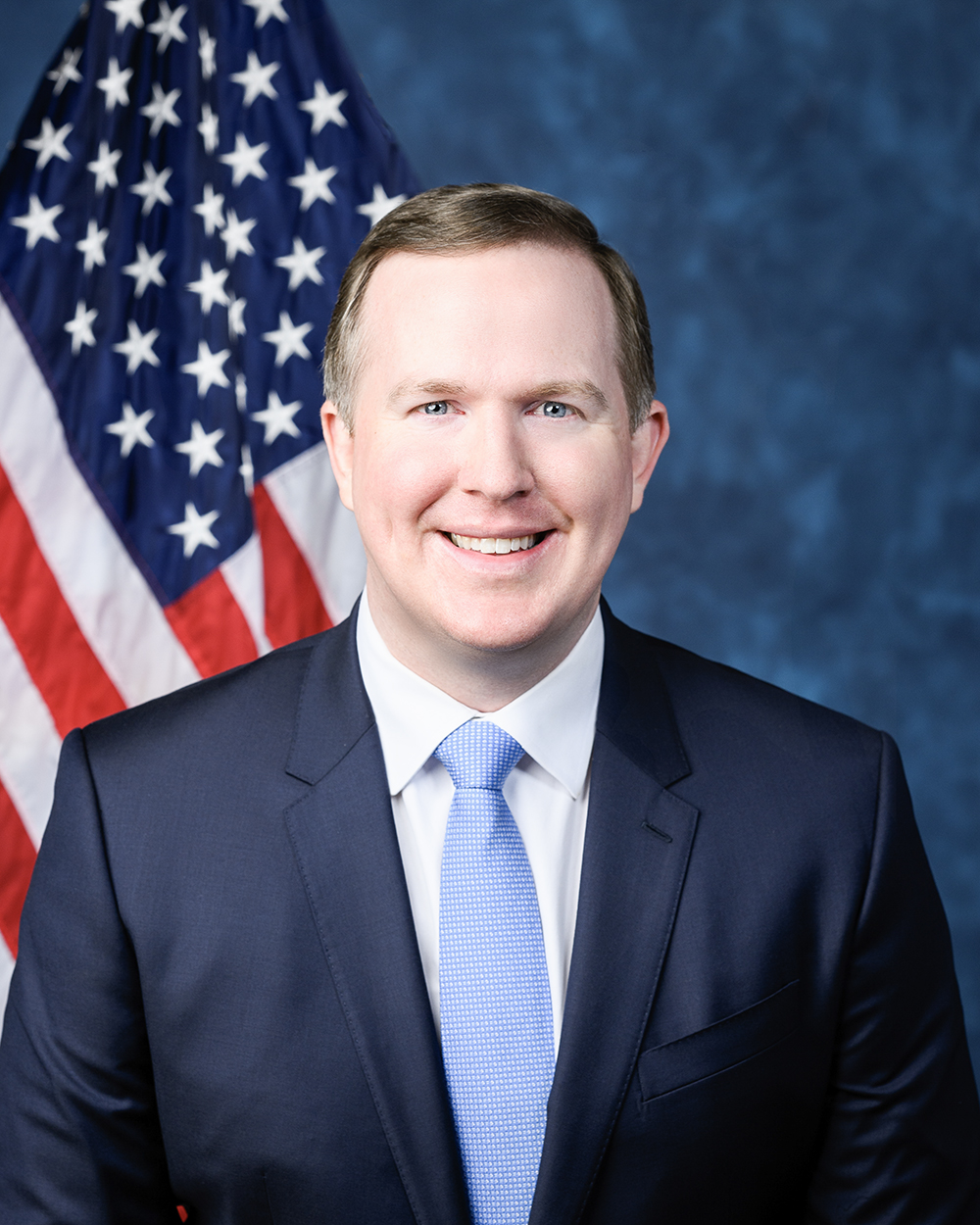
Brian Jack
Brian Jack House · District 3
R
Oppose
32% 306
Richard McCormick
Richard McCormick House · District 7
R
Oppose
35% 305
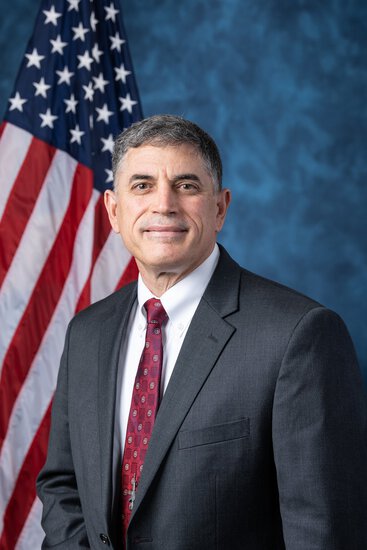
Andrew S. Clyde
Andrew S. Clyde House · District 9
R
Oppose
36% 286
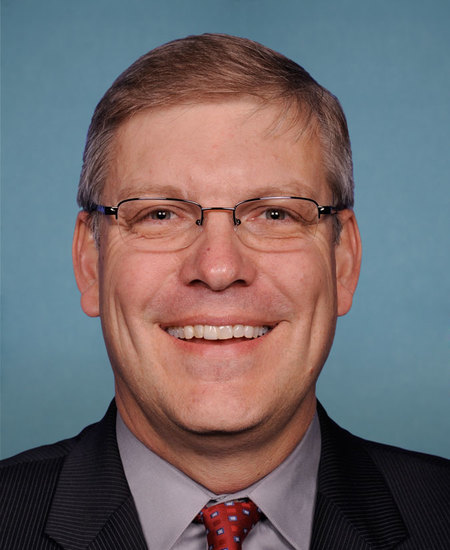
Barry Loudermilk
Barry Loudermilk House · District 11
R
Oppose
37% 291
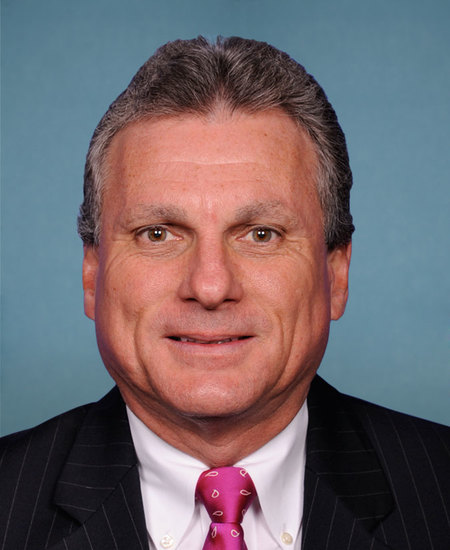
Earl L. "Buddy" Carter
Earl L. "Buddy" Carter House · District 1
R
Oppose
37% 294
Showing 1–10 of 108 bills

All environment bills

in committee · United States · House Sep 3, 2026

HR 9497: Water Resources Development Act of 2026

This bill, titled the Water Resources Development Act of 2026, authorizes the U.S. Army Corps of Engineers to improve rivers, harbors, and water resources across the United States while establishing new administrative offices to better manage inland navigation, water supply, and community outreach. It introduces specific mechanisms such as creating a new board for levee owners to advise on flood safety, allowing for categorical permissions to streamline certain environmental reviews, and mandating a prohibition on diverting water from the Missouri River without approval from all relevant state governors. The legislation also authorizes numerous specific projects for flood risk management, ecosystem restoration, and water supply in locations ranging from Alaska to Texas, while simultaneously deauthorizing or modifying older projects that are no longer needed or require changes to better align with current environmental and safety standards.
in committee · United States · House Aug 6, 2026

HR 10063: Green New Deal for Public Housing Act

The Green New Deal for Public Housing Act directs the Department of Housing and Urban Development to provide grants to public housing agencies and tribal entities for the comprehensive rehabilitation, energy upgrades, and modernization of public housing stock. These funds are intended to transform properties into zero-carbon homes by installing renewable energy systems, electrifying appliances, and repairing infrastructure, while also establishing workforce development programs that offer training, apprenticeships, and stipends to residents and local low-income workers. The bill mandates strict labor standards, including prevailing wages and the use of U.S.-made materials, and requires agencies to maintain or increase the total number of public housing units while prioritizing resident participation through elected councils and community engagement processes.
in committee · United States · House Jul 20, 2026

HR 9788: FORMULA Act of 2026

The FORMULA Act of 2026 requires the U.S. Food and Drug Administration to set strict limits on contaminants in infant formula, including heavy metals, microplastics, and synthetic pesticides. Manufacturers must test their products to meet these new standards and keep records of their testing for at least two years after the formula's shelf life expires. The law also mandates that the FDA report annually to Congress on any violations and the progress made in reducing contaminant levels in the domestic supply chain. These regulations will take effect 180 days after the bill is signed into law.
in committee · United States · House Jul 22, 2026

HR 9827: Wildfire Reduction Market Expansion Act of 2026

The Wildfire Reduction Market Expansion Act of 2026 updates the Clean Air Act to broaden the definition of renewable biomass eligible for carbon credits. It specifically allows materials from forest management, such as slash, storm debris, and wood residuals, to be counted as renewable fuel if they come from sustainably managed lands or public forests designated for fuel reduction. The bill also includes vegetation cleared from defensible space around buildings and from wildfire risk reduction projects in the wildland-urban interface. By clarifying these categories and establishing certification requirements, the legislation aims to increase the supply of biomass available for generating renewable energy credits.
in committee · United States · House Jul 23, 2026

HR 9933: South Atlantic Red Snapper Fair Access Act of 2026

This bill, titled the South Atlantic Red Snapper Fair Access Act of 2026, aims to temporarily close commercial fishing for red snapper in Federal waters whenever recreational fishing is prohibited. The legislation directly affects commercial fishermen, retailers, and other businesses by making it illegal to harvest, sell, or trade red snapper caught during these specific closed periods. By aligning commercial restrictions with recreational closures, the bill seeks to ensure that conservation burdens and access limitations are shared fairly between the two sectors. The Secretary of Commerce is required to issue regulations within 90 days to enforce these rules under existing federal fishery laws.
Sub-Topics Conservation
in committee · United States · Senate Jul 14, 2026

S 4962: Securing America's Water Supply Act

The Securing America's Water Supply Act directs the Army Corps of Engineers to create a new office dedicated to improving water supply, conservation, and drought resilience. This office will identify opportunities to use existing federal authorities to store and manage water for municipal and industrial needs, while also helping states and local groups access technical and financial assistance. Key actions include clearing backlogs on water supply studies, updating internal policies on how reservoir storage is allocated, and coordinating with other agencies to plan for future water shortages. The bill also requires the Corps to report annually on the office's progress, staffing levels, and the status of ongoing water projects.
Sub-Topics Conservation
in committee · United States · Senate Jul 16, 2026

S 5016: Clean Water Allotment Modernization Act of 2026

The Clean Water Allotment Modernization Act of 2026 updates how federal funding for water pollution control is distributed among states, Indian tribes, and U.S. territories. It requires the Environmental Protection Agency to set aside specific portions of funds for oversight and tribes before calculating state shares, while also introducing a new formula that allocates money based on watershed needs, population size, and poverty levels. The bill includes safeguards to prevent funding amounts for any single state from changing drastically from one year to the next and allows states to use a small percentage of their grants to conduct the necessary assessments for this new formula. Additionally, the legislation clarifies that these changes do not affect existing infrastructure funds and expands the allowable uses of capitalization grants to include technical assistance and survey activities.
Sub-Topics Water Quality
in committee · United States · Senate Jun 24, 2026

S 4932: No Lead in Toys Act

The No Lead in Toys Act directs the Consumer Product Safety Commission to adopt safety recommendations from a 2026 Government Accountability Office report regarding toxic substances in children's products. Within 180 days of enactment, the agency must create plans to oversee electronic filing, evaluate laboratory risks using violation data, review lead limits every five years, and track updates on phthalates and other harmful chemicals. The law also requires the Commission to submit a detailed report to Congress within 60 days of implementing these changes, outlining the specific steps taken to improve oversight.
in committee · United States · House Jun 25, 2026

HR 9467: Green Ribbon Act of 2026

The Green Ribbon Act of 2026 establishes a new program to recognize schools and nonformal learning institutions that achieve high performance in environmental literacy, reducing their carbon footprint, and ensuring a positive impact on the health of their students and staff. Under this bill, the Department of Education would award grants to state agencies to support schools in meeting these goals, while the Institute of Museum and Library Services would create a similar award program for libraries, museums, and nature centers. The legislation also creates a new office within the Department of Education dedicated to providing technical assistance and resources for sustainable school infrastructure and facilities. Key provisions include setting aside specific funds for underresourced schools and Bureau of Indian Education schools, as well as requiring annual reports on the program's progress and outcomes.
Sub-Topics Libraries
in committee · United States · House Jul 1, 2026

HR 9416: Ocmulgee Mounds National Park Redesignation Act

This bill redesignates the Ocmulgee Mounds National Historical Park as the Ocmulgee Mounds National Park within the National Park System. It establishes specific protections for traditional cultural and religious sites, ensuring access for tribes with ancestral connections to the area, and requires the park manager to consult with Indian tribes on management issues. The legislation also authorizes fishing on park waters under state and federal laws while allowing the Secretary to create safety zones where fishing is restricted. Additionally, the bill mandates that approximately 134 acres of land held by the Muscogee (Creek) Nation be placed into federal trust for the tribe, provided the land is not used for gambling.
Sub-Topics Parks & Recreation Tags Tribal Nations
Showing 1 to 10 of 108 bills
1 2 3 11 Next