Issue · Technology

Technology

Every technology bill, vote, and legislator stance in Florida, automatically classified by Maddy, our AI policy reader.

Total bills
67
119th Congress
Top supporter
Lois Frankel
85% support rate
Top opponent
Brian J. Mast
24% support rate
Ranked legislators
10
5 support · 5 oppose
Key legislators

Who's moving technology in Florida

Legislators moving technology in Florida
Legislator Party Stance Support rate Votes
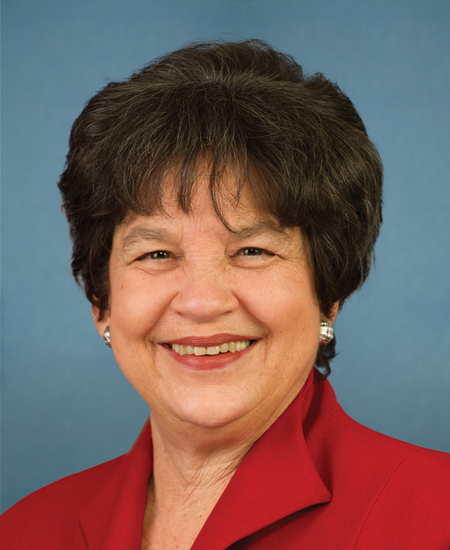
Lois Frankel
Lois Frankel House · District 22
D
Strong +
85% 249
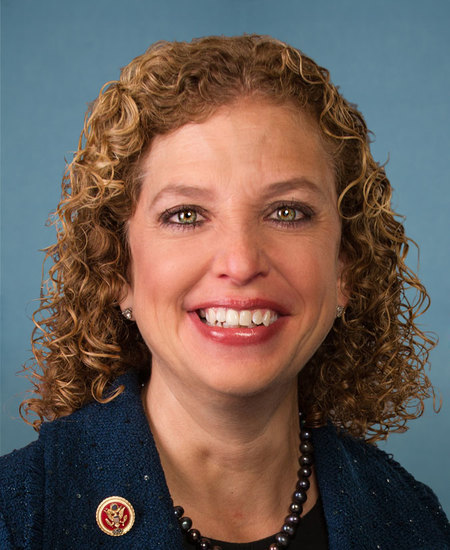
Debbie Wasserman Schultz
Debbie Wasserman Schultz House · District 25
D
Strong +
82% 258
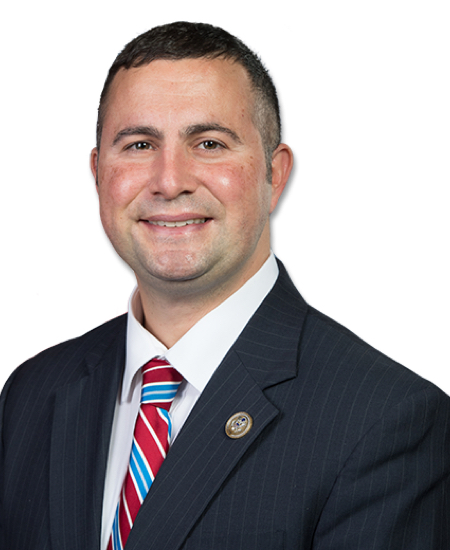
Darren Soto
Darren Soto House · District 9
D
Strong +
82% 263
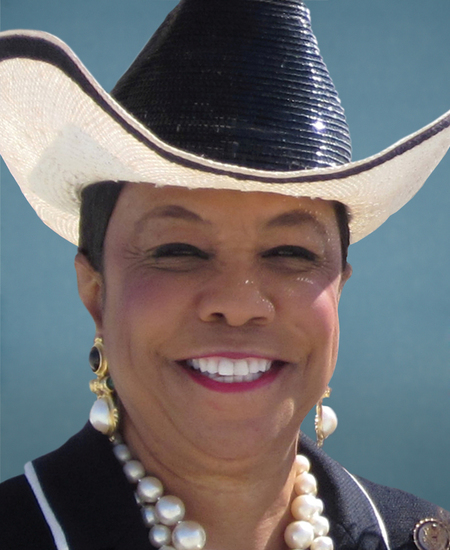
Frederica S. Wilson
Frederica S. Wilson House · District 24
D
Support
78% 198
Kathy Castor
Kathy Castor House · District 14
D
Support
77% 255
Brian J. Mast
Brian J. Mast House · District 21
R
Oppose
24% 256
Cory Mills
Cory Mills House · District 7
R
Oppose
25% 252
Byron Donalds
Byron Donalds House · District 19
R
Oppose
29% 242
Neal P. Dunn
Neal P. Dunn House · District 2
R
Oppose
29% 231
Rick Scott
Rick Scott Senate
R
Oppose
31% 231
Showing 1–10 of 67 bills

All technology bills

in committee · United States · House Sep 10, 2026

HR 10332: Sunset Section 230 Act

HR 10332, the Sunset Section 230 Act, would repeal Section 230 of the Communications Act of 1934, a provision that currently shields online platforms from legal liability for content posted by their users. By removing this protection, the bill directly affects internet service providers, social media companies, and other interactive computer services, making them potentially responsible for user-generated material under existing defamation and copyright laws. The legislation also includes numerous conforming amendments to update definitions and cross-references in various federal statutes, including the Trademark Act and criminal codes, to ensure consistency with the repeal. These changes would take effect two years after the date of enactment.
Sub-Topics Social Media
in committee · United States · House Aug 27, 2026

HR 10166: Foreign Propaganda Disclosure Act

The Foreign Propaganda Disclosure Act amends the Foreign Agents Registration Act to explicitly include social media influencers in its regulatory scope. The bill defines a social media influencer as any individual who maintains a monetized account on a social media platform, using an existing definition from the Trafficking Victims Prevention and Protection Reauthorization Act of 2022. By making this addition, the legislation requires these specific digital content creators to comply with the same registration and disclosure obligations currently applied to other foreign agents.
Sub-Topics Social Media
in committee · United States · House Aug 3, 2026

HR 10017: Permanent CBDC Ban Act

This bill, titled the Permanent CBDC Ban Act, aims to permanently prohibit the Federal Reserve from issuing a central bank digital currency. It achieves this by amending the Federal Reserve Act to remove the specific legal authority that allows the Reserve to create such a digital currency. The legislation directly affects the Federal Reserve by stripping away its power to launch a digital version of the dollar. By deleting the relevant subsection of the law, the bill ensures that the Reserve cannot issue a CBDC in the future.
in committee · United States · House Jul 23, 2026

HR 9915: Stealth Bot Prohibition Act

The Stealth Bot Prohibition Act makes it illegal to use automated software, known as stealth bots, to access websites without revealing their identity or purpose. Specifically, the law bans deploying these bots in ways that harm online services and prohibits disguising them as human users when interacting with generative artificial intelligence systems. Violations can result in civil penalties of up to $53,000 per incident, which are enforced by the Federal Trade Commission and state attorneys general. The bill defines a stealth bot as any program that scrapes or scans the internet without disclosing its nature or intended use to the website operator.
in committee · United States · House Jul 23, 2026

HR 9939: No AI Data Centers on Federal Lands Act

This bill, titled the No AI Data Centers on Federal Lands Act, prohibits the construction and operation of large-scale artificial intelligence data centers on any land owned or managed by the United States government. It requires federal agencies to immediately stop building or running such facilities and mandates the removal of existing structures within 30 days of the law's enactment. The legislation defines these centers as buildings with high power usage or advanced cooling systems used for developing AI models, while also specifying that any cleanup must follow environmental safety standards.
in committee · United States · House Jul 20, 2026

HR 9777: Protecting Ratepayers Act

The Protecting Ratepayers Act requires private companies planning to build or operate large data centers to disconnect from public utility grids for both electricity and water. Starting 180 days after the law takes effect, these facilities must generate all their power and water on-site or from sources separate from the public system. Additionally, the bill gives legal force to a 2026 presidential proclamation known as the Ratepayer Protection Pledge. This legislation directly affects private data center operators by mandating self-sufficiency in utilities to prevent reliance on public infrastructure.
Sub-Topics Utility Regulation
in committee · United States · House Jun 25, 2026

HR 9453: End EPA Abuse Act of 2026

The End EPA Abuse Act of 2026 amends the Clean Air Act to limit the Environmental Protection Agency's authority to create new regulations. Specifically, it prohibits the EPA Administrator from issuing rules that restrict the sale or use of internal combustion engine vehicles, force power plants to switch fuel sources, or reduce the reliability of the electric grid. The bill also bars the agency from mandating technologies that are commercially unavailable, too expensive without subsidies, or technically unfeasible due to geographic or infrastructure limitations. Additionally, the law prevents the EPA from expanding its regulatory power beyond what Congress originally intended. These changes directly affect the EPA's ability to enforce environmental standards and impact industries such as automotive manufacturing and energy production.
in committee · United States · House May 20, 2026

HR 8915: NO FAKES Act of 2026

The NO FAKES Act of 2026 grants individuals and their heirs a new property right to control the creation and use of digital replicas of their voice or visual likeness, preventing unauthorized use in computer-generated media. This right lasts for the individual's lifetime plus 10 years after death, with potential extensions for continued commercial use, and applies to both living and deceased people. Online platforms and companies distributing such content must register with the Copyright Office, remove unauthorized replicas upon receiving valid notices, and face civil penalties of up to $750,000 per work if they fail to comply or knowingly distribute unauthorized replicas. The law also preempts most existing state laws protecting voice and likeness rights, though it preserves protections for sexually explicit content and election-related uses.
in committee · United States · House May 7, 2026

HR 8689: Strategic Export Controls and Border Security Enhancement Act

This bill establishes a new Office of Export Controls and Border Security within the U.S. Department of State to help partner countries prevent the spread of weapons of mass destruction. The Office will train foreign nations on how to better regulate the export of sensitive technologies and goods that could be misused for military purposes. It also requires the Secretary of State to create a coordinated strategy using advanced analytics to identify risks and strengthen global supply chain security. Additionally, the legislation mandates that different parts of the State Department work together to avoid duplicating efforts in border security assistance.
in committee · United States · Senate May 20, 2026

S 4601: Chinese CBDC Prohibition Act of 2026

The Chinese CBDC Prohibition Act of 2026 bans money services businesses in the United States from conducting any transactions involving the central bank digital currency issued by the People's Republic of China. This law directly affects financial institutions, such as banks and money transfer operators, by prohibiting them from processing payments, deposits, or exchanges related to this specific digital currency. The prohibition applies to both direct and indirect transactions, ensuring that no U.S. entity can facilitate the use of the Chinese digital currency within the regulated money services sector. By adding a new section to the existing U.S. Code, the bill creates a clear legal barrier to prevent the integration of this foreign digital currency into the American financial system.
Showing 1 to 10 of 67 bills
1 2 3 7 Next