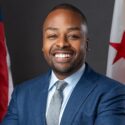
This bill is a procedural confirmation resolution that authorizes the District of Columbia Council to officially appoint Peter Durkin as the Ward 2 member of the Police Complaints Board. The resolution confirms Durkin's nomination by the Mayor for a term ending in January 2028, filling a new seat on the board established by the Office of Citizen Complaint Review Establishment Act of 1998. Once adopted, the Council will send a copy of the resolution to both the nominee and the Mayor to finalize the appointment process.
This bill is a confirmation resolution that formally approves Dr. Andrea Headley's appointment as an at-large member of the District of Columbia Police Complaints Board. The legislation confirms her selection by the Mayor to fill a new seat on the board, which oversees citizen complaints regarding police conduct, for a term ending in January 2027. By passing this resolution, the Council of the District of Columbia completes the legal process required to finalize her role within the existing complaint review framework. The text does not alter the board's structure or powers but simply validates the appointment of a new member based on her academic background in public policy and criminal justice.
This bill confirms the reappointment of Bobbi Strang as the Ward 7 member of the District of Columbia Police Complaints Board. The resolution officially appoints her to serve on the board, which handles citizen complaints regarding police conduct, until January 12, 2029. Strang, a professional with experience in public service and education, will represent Ward 7 in this oversight role. The legislation requires the Council to send a copy of the resolution to both the nominee and the Mayor once adopted.
This bill is a procedural resolution that confirms Edward Sanders as the Ward 1 member of the Police Complaints Board in the District of Columbia. The legislation officially validates the Mayor's nomination of Sanders to fill a new seat on the board, which reviews complaints regarding police conduct, for a term ending in January 2028. By adopting this resolution, the Council of the District of Columbia completes the legal process required to appoint Sanders to his role. The document does not alter any laws or policies but serves solely to finalize the appointment of a specific individual to an existing oversight body.
This bill confirms Glenn Marcus as the Ward 3 member of the Police Complaints Board, a body that reviews complaints against police officers in the District of Columbia. The resolution officially appoints Marcus to fill a new seat for a term ending on January 12, 2029, following his nomination by Mayor Muriel Bowser. The legislation requires the Council to send a copy of the resolution to both the nominee and the Mayor once it is adopted. The bill takes effect immediately upon adoption and does not alter the Board's existing functions or powers.
This bill temporarily extends the deadline for the Prearrest Diversion Task Force to submit its initial recommendations on how to handle certain misdemeanor offenses and specific groups of people. Originally set for June 2025, the new deadline is moved to July 2026, allowing the task force more time to study and propose alternatives to arrest for eligible individuals. The legislation also includes a separate provision that permits legal notices regarding probate matters, such as requests for formal probate or appointments of representatives, to be published in local newspapers. These changes are temporary and will expire 225 days after the bill takes effect.
This bill temporarily requires the District of Columbia Department of Corrections to provide free public education to young adults with disabilities who are in its custody. Specifically, it mandates that individuals aged 18 through the end of their eligibility for special education services receive instruction under the Individuals with Disabilities Education Act during the 2025-2026 and 2026-2027 school years. The legislation achieves this by adding new language to existing correctional codes, ensuring that secure facilities offer appropriate educational opportunities to this specific population. The provision is set to expire 225 days after the bill takes effect, making it a short-term measure rather than a permanent change.
This resolution declares an emergency to temporarily extend two previous policing reforms until permanent laws take effect or are finalized. The measures expand the Police Complaints Board membership and allow the office's executive director to file new complaints based on discovered misconduct, such as excessive force or failure to intervene. Additionally, the bill clarifies that certain victim reporting requirements apply only to minors under 18. These actions prevent a legal gap in oversight while awaiting the finalization of related legislation.
The LEARNS Amendment Act of 2025 requires the District of Columbia Department of Corrections (DOC) to evaluate incarcerated students for special education services if they weren't assessed before entering custody, and to continue services for those with existing Individualized Education Programs (IEPs). It also sets specific qualifications for the contractor providing these services and mandates DOC to create a public online system tracking resident complaints and service requests, including resolution timelines and contact information for oversight bodies. This bill directly affects students in DC Jail who need special education services but previously lacked a pathway for evaluation while incarcerated. The legislation makes permanent changes previously implemented through temporary measures, ensuring all eligible incarcerated students can access appropriate educational support.
This ceremonial resolution honors DC Central Kitchen for reaching a milestone of 2,500 graduates from its Culinary Job Training Program. The bill formally recognizes the organization's work since 1990 in providing free culinary and life skills training to District residents facing challenges such as homelessness, incarceration, and addiction. By celebrating this achievement, the Council acknowledges the program's partnerships with local businesses and its role in creating career pathways for returning citizens. The resolution does not alter laws or funding but serves to publicly acknowledge the program's impact and history.