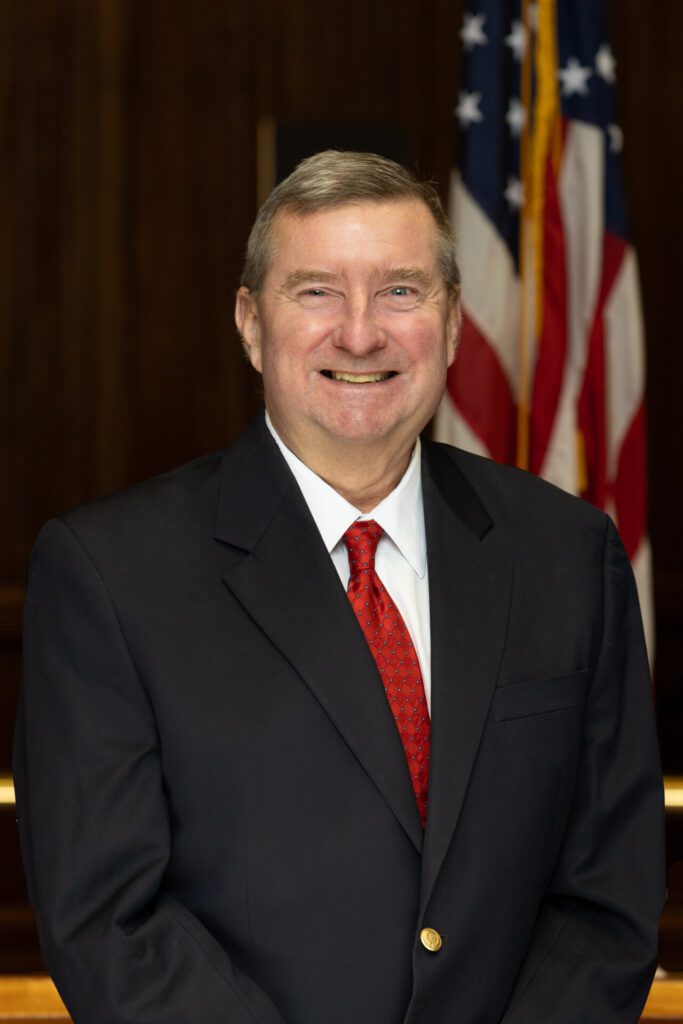
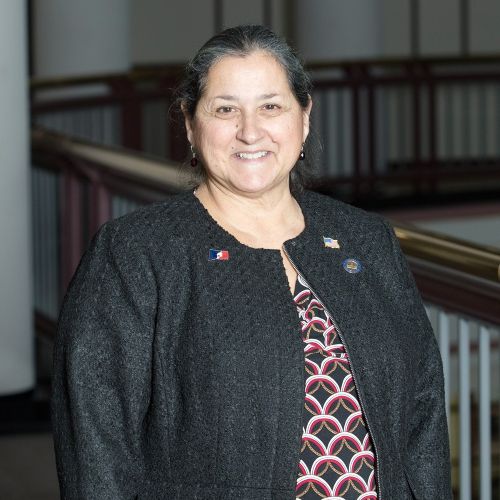
Key legislators
Who's moving healthcare in Connecticut
Showing 31–33 of 33
bills
All healthcare bills
HB 5045 streamlines approvals for new or expanded health care facilities by creating a new three-member panel within the Department of Public Health. This panel, chaired by the Public Health Commissioner, will make final decisions on all certificate of need applications starting January 1, 2027, replacing previous processes. The bill directly affects hospitals, outpatient surgical centers, mental health facilities, substance abuse treatment centers, and other entities requiring certificate of need reviews under state law. Key provisions include setting a fixed timeline for decisions (quarterly panel meetings) and defining "health care facility" to cover a broad range of services, effective October 1, 2026.
HB 5166 updates Connecticut's social work licensure rules, effective July 1, 2026. It requires master social workers to hold a master's degree from an accredited or candidate-status social work program (with specific timeline limits) and pass a national exam, while clinical social workers must have a master's or doctorate from an accredited program, 3,000 hours of post-master's experience (including 100 supervised hours), and pass a clinical exam. The bill also creates pathways for out-of-state license holders to practice via endorsement if their state's requirements match Connecticut's standards, and mandates exam accommodations for applicants with disabilities. These changes directly affect social workers seeking initial licensure or moving to Connecticut from other states.
HB 5399 redefines supervision requirements for dental assistants and establishes new standards for expanded function dental assistants in Connecticut. It requires expanded function dental assistants to pass national exams, complete accredited programs, maintain certification, display credentials, and carry $500,000 professional liability insurance. The bill allows dental assistants to take x-rays, impressions, and apply fluoride varnish under direct supervision, while expanded function assistants may place temporary restorations, apply sealants, and perform coronal polishing under direct or indirect supervision. These changes directly affect dental assistants, expanded function dental assistants, and dentists who supervise them, effective October 1, 2026.