Issue · Environment

Environment

Every environment bill, vote, and legislator stance in Connecticut, automatically classified by Maddy, our AI policy reader.

Total bills
62
2026 Regular Session
Top supporter
Minnie Gonzalez
100% support rate
Top opponent
Travis Simms
20% support rate
Ranked legislators
10
5 support · 5 oppose
Key legislators

Who's moving environment in Connecticut

Legislators moving environment in Connecticut
Legislator Party Stance Support rate Votes
Minnie Gonzalez
Minnie Gonzalez House · District 3
D
Strong +
100% 7
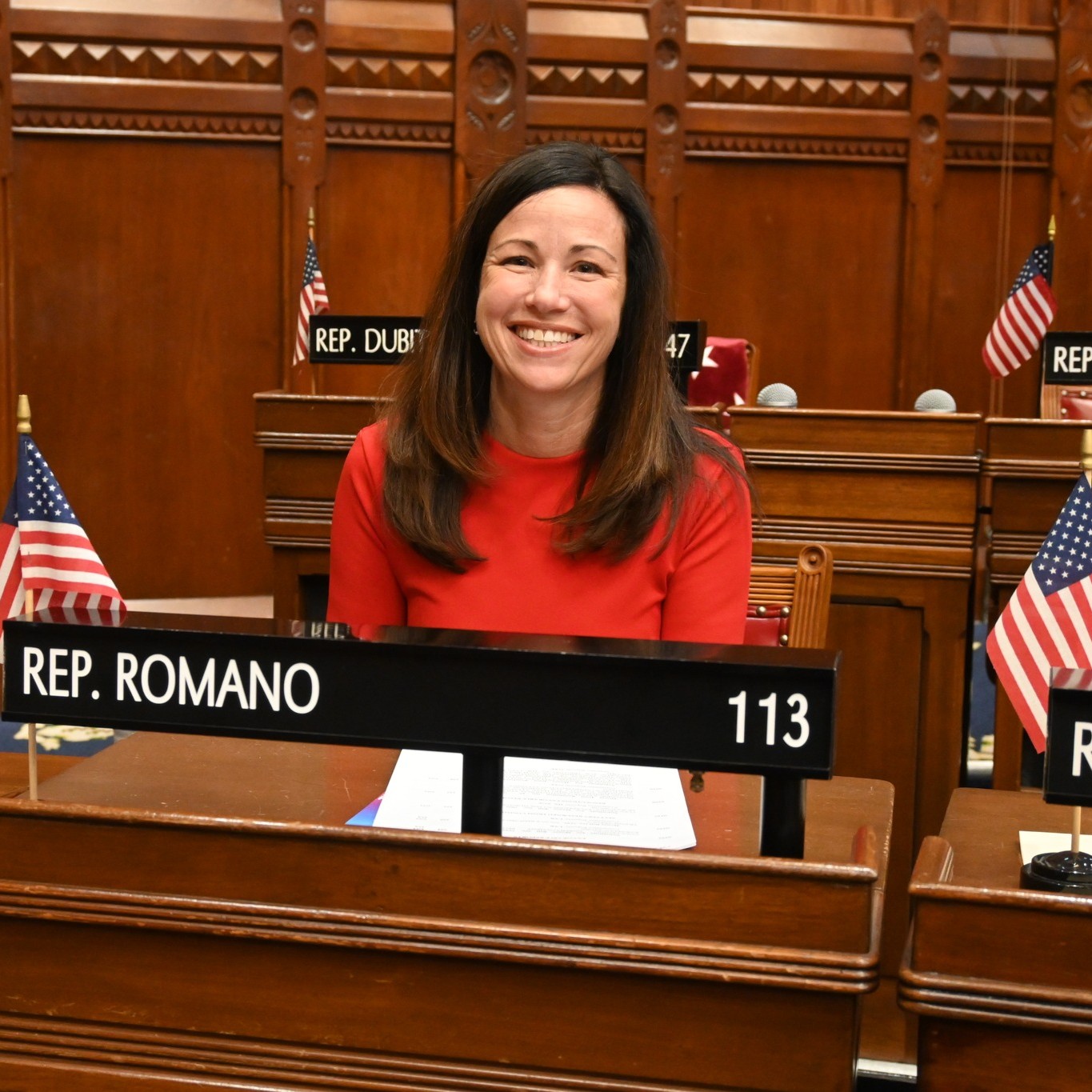
Amy Romano
Amy Romano House · District 113
R
Strong +
100% 5
Greg Howard
Greg Howard House · District 43
R
Strong +
100% 5
Doug Dubitsky
Doug Dubitsky House · District 47
R
Strong +
100% 7
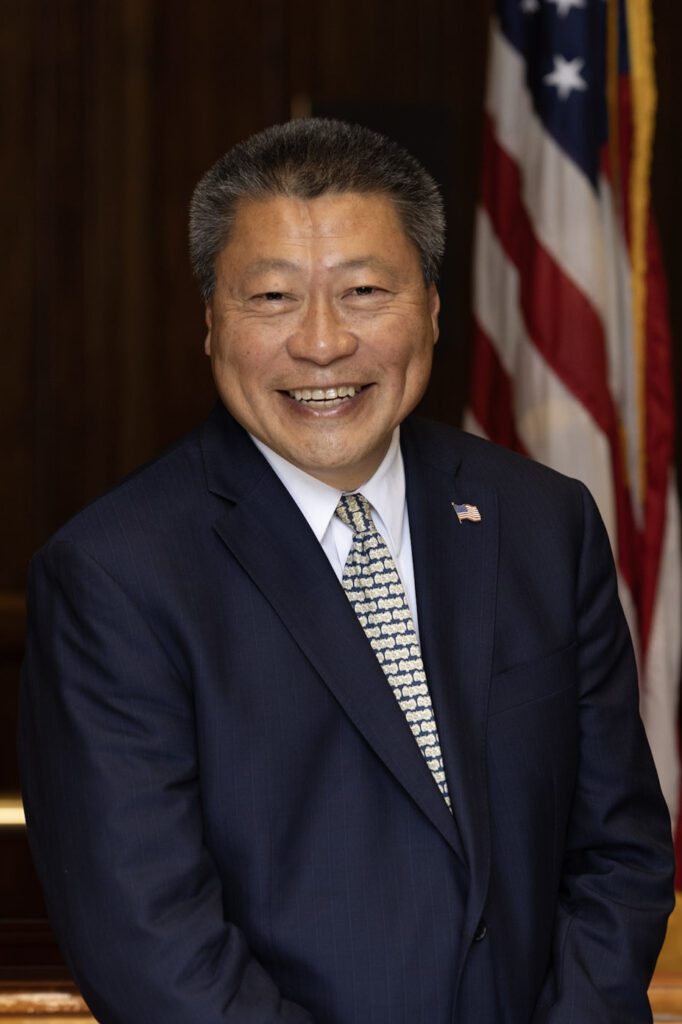
Tony Hwang
Tony Hwang Senate · District 28
R
Strong +
93% 16
Travis Simms
Travis Simms House · District 140
D
Strong −
20% 5
Matt Lesser
Matt Lesser Senate · District 9
D
Oppose
23% 15
Jorge Cabrera
Jorge Cabrera Senate · District 17
D
Oppose
29% 16
Herron Gaston
Herron Gaston Senate · District 23
D
Oppose
29% 16
Bob Duff
Bob Duff Senate · District 25
D
Oppose
29% 16
Showing 31–40 of 62 bills

All environment bills

in committee · Connecticut · Senate Feb 11, 2026

SB 174: AN ACT AUTHORIZING BONDS OF THE STATE FOR A PLANNING GRANT TO EXPAND AND INSTALL SEWER LINES IN THE TOWN OF LEDYARD.

SB 174 authorizes the state to issue up to $500,000 in bonds to fund a planning grant for sewer line expansion on Connecticut Route 12 in Ledyard. The Department of Energy and Environmental Protection would administer the grant-in-aid to help the Town of Ledyard plan and install new sewer infrastructure. This bill directly affects Ledyard residents and local infrastructure by providing state funding for preliminary planning work. The funds are specifically for a planning grant, not for construction, and must be used for sewer line expansion on Route 12 as specified in the bill.
in committee · Connecticut · Senate Mar 18, 2026

SB 364: AN ACT CONCERNING EXTREME WEATHER PROTOCOLS.

SB 364 requires Connecticut's Division of Emergency Management to create standardized protocols for extreme heat and cold weather by January 1, 2027. The protocols must define specific weather thresholds (like temperatures, heat index, and wind chill) that trigger the opening of public cooling and warming centers, along with transportation access and public communication methods. These protocols will be posted online and shared through Connecticut's 2-1-1 Infoline service. The bill directly affects the state agency, local municipalities, and residents who may use these centers during extreme weather events.
Tags Emergency Management
in committee · Connecticut · House Mar 23, 2026

HB 5156: AN ACT CONCERNING A CLIMATE CHANGE SUPERFUND.

HB 5156 establishes a Climate Superfund Cost Recovery Program to fund climate adaptation projects by holding fossil fuel entities accountable for historical emissions. It targets fossil fuel companies (defined as entities extracting or refining fossil fuels during 1995-2024 that caused over 1 billion metric tons of emissions) to pay into a fund, rather than using taxpayer money. The fund finances specific climate adaptation projects, including coastal wetland restoration, stormwater system upgrades, urban heat mitigation, and protecting food systems from climate impacts, with priority for environmental justice communities. Projects must align with "nature-based solutions" like green infrastructure and energy-efficient retrofits for public buildings. The program is administered by the Department of Energy and Environmental Protection, starting October 1, 2026.
in committee · Connecticut · Senate Apr 14, 2026

SB 316: AN ACT CONCERNING THE TESTING OF SOILS AT CERTAIN SOLAR FACILITIES.

SB 316 requires Connecticut's Department of Energy and Environmental Protection to implement a biennial soil testing program at utility-scale solar facilities starting October 2026. The program tests for contaminants like lead, cadmium, arsenic, and zinc, and mandates that results be disclosed to property owners, remediation costs recovered from responsible parties, and public notifications including land use restrictions. Solar facility owners or operators will pay a biennial testing fee to cover program costs. This law directly affects large solar installations by adding environmental monitoring and remediation requirements to their operations.
signed · Connecticut · House May 26, 2026

HB 5401: AN ACT CONCERNING REVISIONS TO THE STATE BUILDING CODE, STATE FIRE PREVENTION CODE AND FIRE SAFETY CODE.

HB 5401 updates how Connecticut adopts and revises its State Building Code. It requires the State Building Inspector and Codes Committee to base the code on a nationally recognized model, limits revisions to once every six years (or per two model cycles), and mandates provisions for energy conservation and EV charging circuits in new residential garages. The bill also imposes a temporary pause on new building standards from October 2026 to October 2032, except for safety, federal funding, or accessibility needs, and prohibits local municipalities from enforcing stricter rules than the state code during this period. Additionally, it requires mandatory training for building code officials and professionals like architects and contractors on the State Building Code and Fire Safety Code.
signed · Connecticut · Senate Mar 25, 2026

SB 299: AN ACT CONCERNING REDEMPTION OF OUT-OF-STATE BEVERAGE CONTAINERS.

SB 299 requires redemption centers in Connecticut to obtain a license from the Energy and Environmental Protection Commissioner starting July 1, 2026, with a $2,500 application fee. It restricts centers from accepting containers that were previously redeemed, damaged, not originally sold in Connecticut, or listed as unavailable by deposit initiators. Centers must track redemptions over 1,000 containers per person daily (or 4,000 for nonprofits), keep records for two years, and submit quarterly reports to the state. This bill directly affects redemption center operators, beverage dealers (who must accept eligible containers), and consumers redeeming containers.
Sub-Topics Recycling
in committee · Connecticut · Senate Feb 27, 2026

SB 315: AN ACT CONCERNING THE RELEASE OF STERILE CARP IN PACHAUG POND.

SB 315 requires Connecticut's Commissioner of Energy and Environmental Protection to release two sterile carp into Pachaug Pond in Griswold starting July 1, 2026. This action overrides existing pond management rules to control invasive vegetation through biological means. The bill directly affects Pachaug Pond's ecosystem by introducing a non-reproducing fish species specifically for vegetation management. The measure takes effect on July 1, 2026, as stated in the bill's purpose.
in committee · Connecticut · Senate Feb 13, 2026

SB 145: AN ACT STUDYING THE REMEDIATION OF HYDRILLA IN STATE LAKES AND THE EXPEDITING OF PERMITS RELATED TO SUCH REMEDIATION.

SB 145 directs the Department of Energy and Environmental Protection to study effective methods for controlling hydrilla (an invasive aquatic plant) in state lakes, including harvesting and targeted spot treatment. The study will also develop protocols to fast-track permits for hydrilla remediation, aligning permit approvals with optimal treatment timing and cost-effectiveness. This bill directly affects state lakes and property owners or contractors needing permits for hydrilla removal. The legislation focuses solely on conducting this study and creating permit streamlining procedures, with no immediate regulatory changes. (SB 145, Section 1)
signed · Connecticut · House Jun 4, 2026

HB 5155: AN ACT CONCERNING PESTICIDE REPORTING MODERNIZATION.

HB 5155 requires Connecticut's Department of Energy and Environmental Protection to create an online database tracking pesticide sales and use by December 2028, replacing older reporting methods. The database will make public access to historical pesticide data (from Chapter 441 of state law) and include pesticide-treated seed information collected with the Department of Agriculture. It allocates $100,000 for development in fiscal year 2027. This directly affects pesticide sellers and users (who must report through the new system) and provides the public with clearer access to where, what, and how much pesticides are used statewide.
in committee · Connecticut · Senate Mar 30, 2026

SB 118: AN ACT CONCERNING BABY FOOD PRODUCTS AND TOXIC HEAVY METALS.

SB 118 prohibits the sale of baby food products (excluding infant formula) containing toxic heavy metals - arsenic, cadmium, lead, or mercury - above federal limits set by the FDA, starting January 1, 2027. It requires manufacturers to test each production batch monthly using accredited labs, publicly post test results on their websites with product details, and include a QR code on packaging linking to the results and FDA health guidance. The law directly affects baby food manufacturers in Connecticut and empowers consumers to report violations to the Consumer Protection Commissioner. Key mechanisms include mandatory testing, public disclosure of metal levels, and QR code transparency for shoppers.
Showing 31 to 40 of 62 bills
Previous 1 3 4 5 7 Next