

Issue · Environment
Environment
Every environment bill, vote, and legislator stance in Connecticut, automatically classified by Maddy, our AI policy reader.
Total bills
62
2026 Regular Session
Top supporter
Minnie Gonzalez
100% support rate
Top opponent
Travis Simms
20% support rate
Ranked legislators
10
5 support · 5 oppose
Key legislators
Who's moving environment in Connecticut
| Legislator | Party | Stance | Support rate | Votes |
|---|---|---|---|---|

Minnie Gonzalez
House · District 3
|
D |
Strong +
|
100% | 7 |
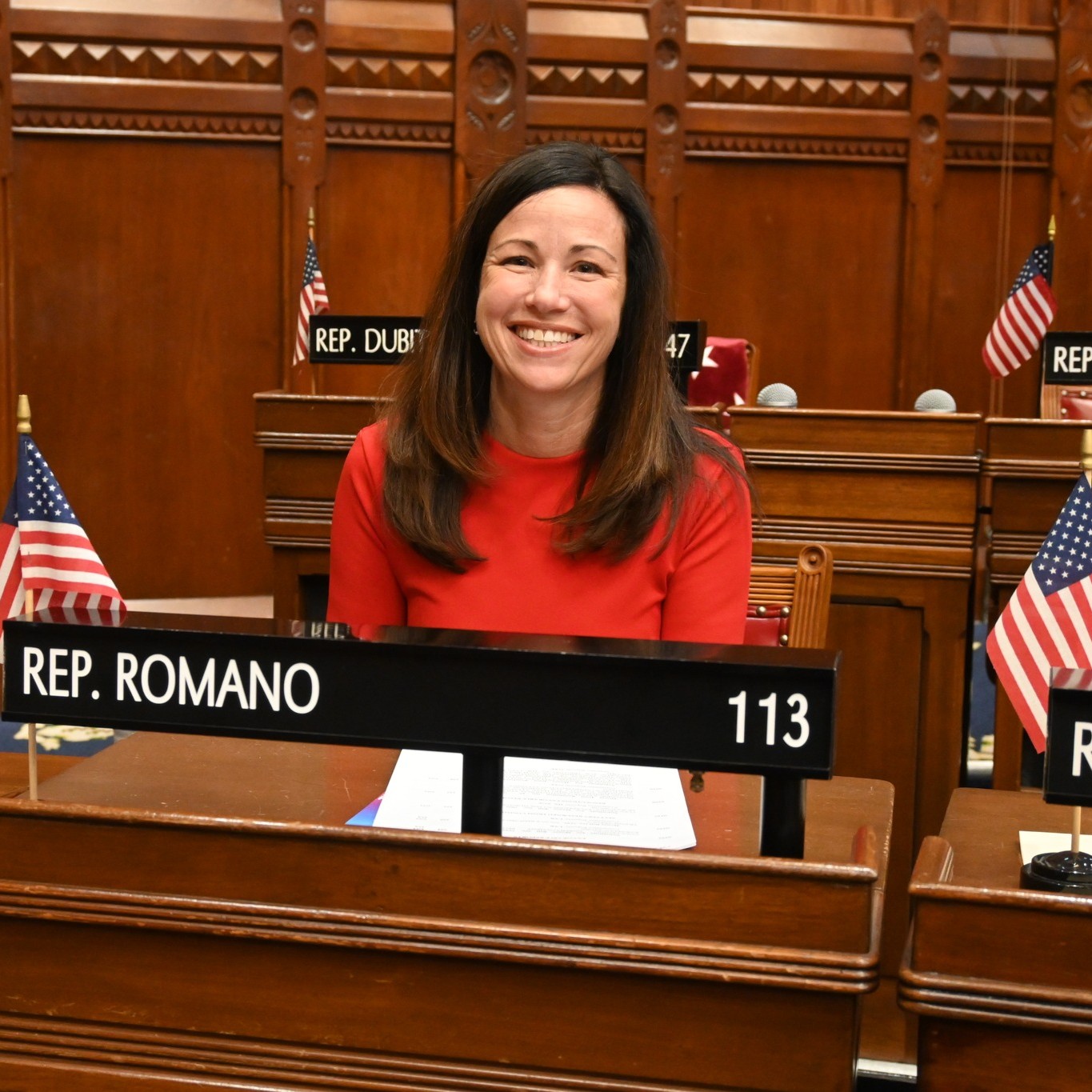
Amy Romano
House · District 113
|
R |
Strong +
|
100% | 5 |
Greg Howard
House · District 43
|
R |
Strong +
|
100% | 5 |
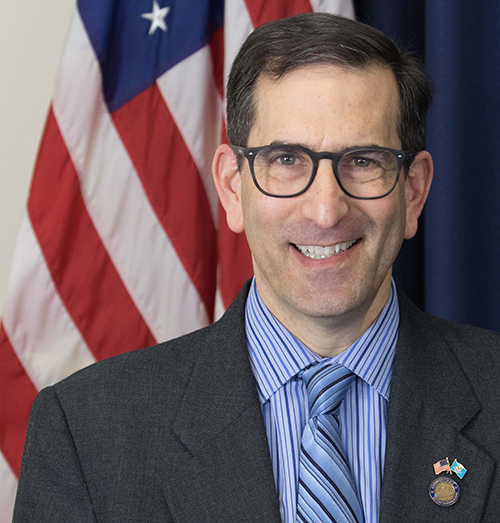
Doug Dubitsky
House · District 47
|
R |
Strong +
|
100% | 7 |
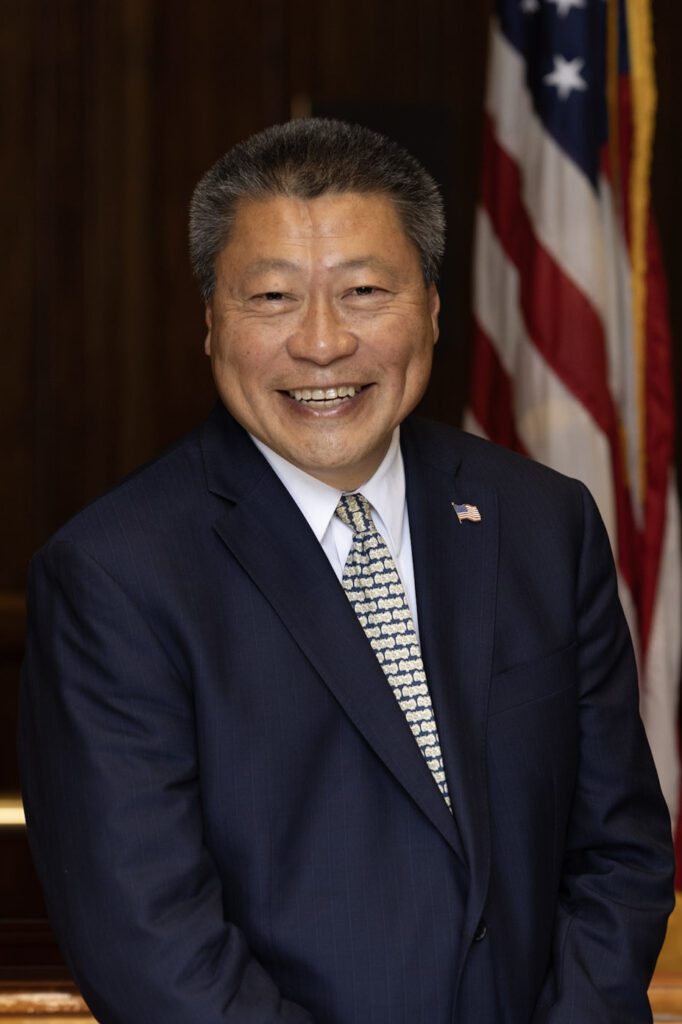
Tony Hwang
Senate · District 28
|
R |
Strong +
|
93% | 16 |

Travis Simms
House · District 140
|
D |
Strong −
|
20% | 5 |

Matt Lesser
Senate · District 9
|
D |
Oppose
|
23% | 15 |
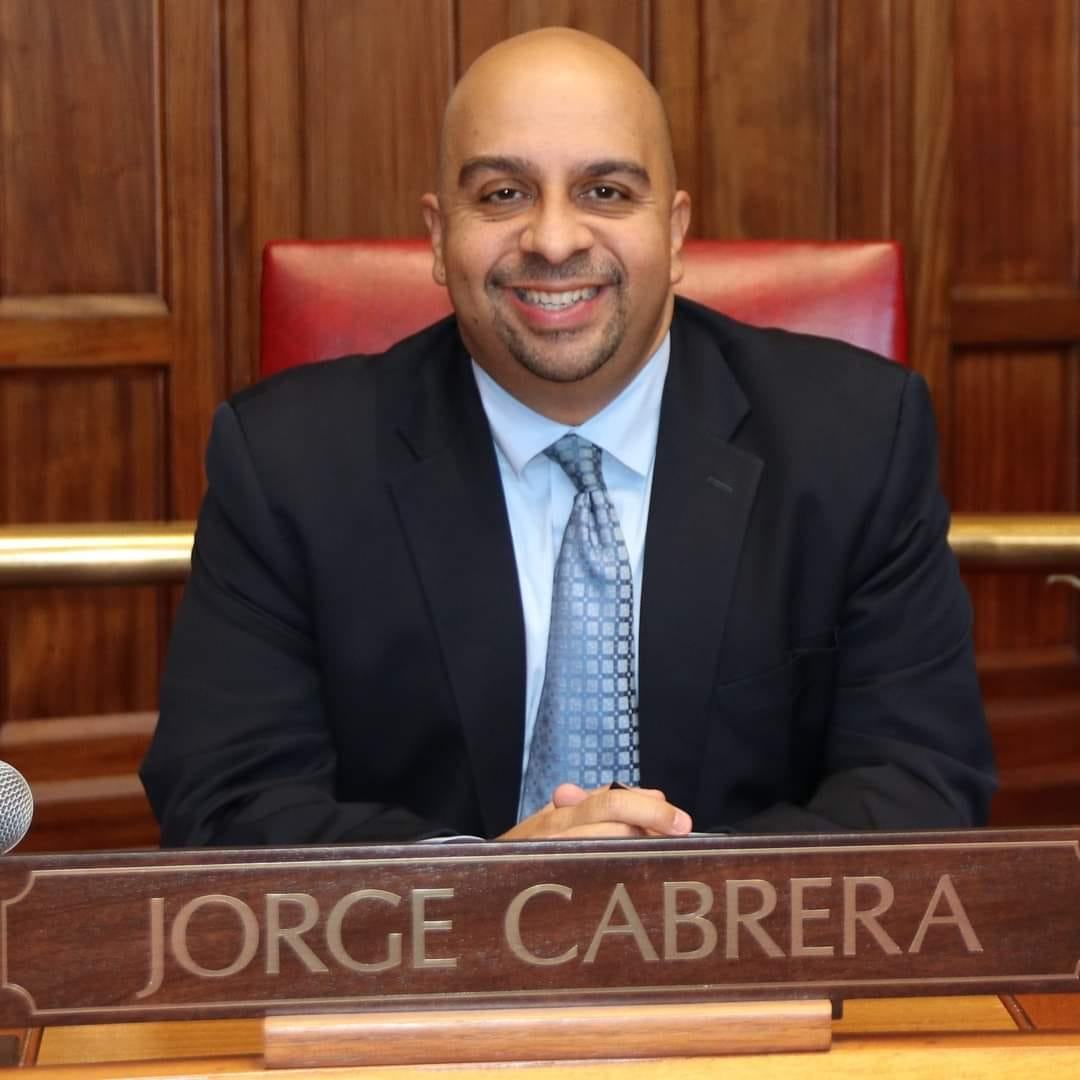
Jorge Cabrera
Senate · District 17
|
D |
Oppose
|
29% | 16 |

Herron Gaston
Senate · District 23
|
D |
Oppose
|
29% | 16 |
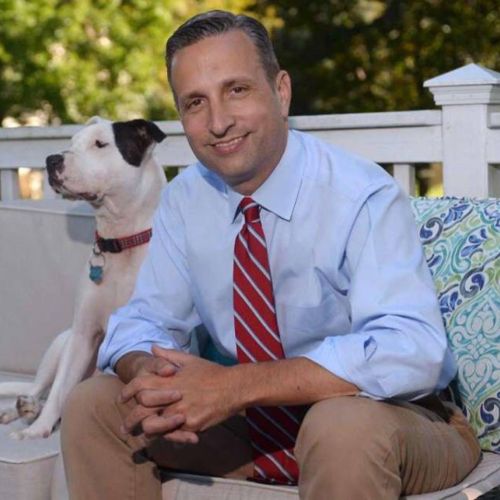
Bob Duff
Senate · District 25
|
D |
Oppose
|
29% | 16 |
Showing 21–30 of 62
bills
All environment bills
HB 5074: AN ACT CONCERNING FUNDING FOR FARMLAND PRESERVATION.
Topics
✓ Budget & TaxesSupports Budget & TaxesAllocates additional General Fund resources to farmland preservation, directly increasing state funding for conservation programs without tax changes.
✓ EnvironmentSupports EnvironmentAllocates funds to strengthen farmland preservation, a conservation effort protecting natural resources and land conservation programs.
HB 5390: AN ACT CONCERNING THE REGIONAL PLANNING INCENTIVE ACCOUNT.
Topics
✓ Budget & TaxesSupports Budget & TaxesAllocates $7M annual state fund for regional planning councils, increasing public service funding for housing, stormwater, and waste management programs.
✓ EnvironmentSupports EnvironmentFunds stormwater/flood mitigation and waste/recycling coordinators, directly supporting pollution control and conservation efforts.
✓ HousingSupports HousingAllocates $200k annually to hire housing planning staff, directly funding housing development planning efforts within regional councils.
SB 110: AN ACT AUTHORIZING BONDS OF THE STATE TO ADDRESS THE CONTAMINATION OF WELLS IN THE TOWN OF FRANKLIN.
Topics
✓ Budget & TaxesSupports Budget & TaxesAuthorizes $500,000 in bonds for environmental cleanup, directly funding public health infrastructure through state budget appropriations.
✓ EnvironmentSupports EnvironmentFunds PFAS well cleanup, directly addressing water pollution and protecting public health from environmental contaminants.
Sub-Topics
Drinking Water
HB 5195: AN ACT ESTABLISHING A TAX CREDIT FOR BUSINESSES THAT INSTALL A MEADOW IN LIEU OF A LAWN.
Topics
✓ Budget & TaxesSupports Budget & TaxesBill creates tax credit for businesses, providing tax relief to incentivize eco-friendly landscaping, directly supporting tax policy incentives.
✓ EnvironmentSupports EnvironmentIncentivizes native meadow installation to conserve water, support biodiversity, and reduce maintenance needs - directly advancing conservation goals through financial incentives.
HB 5334: AN ACT CONCERNING RIPARIAN AREAS.
SB 176: AN ACT AUTHORIZING BONDS OF THE STATE FOR A SEWER PROJECT IN THE VILLAGE OF HANOVER.
Topics
✓ Budget & TaxesSupports Budget & TaxesBill authorizes $4M in state bonds for essential sewer infrastructure, directly funding a critical public service project addressing collapsing infrastructure.
✓ EnvironmentSupports EnvironmentModernizes aging sewer system to prevent sewage backups/pollution, directly addressing environmental protection through pollution control infrastructure upgrade.
SB 21: AN ACT CONCERNING FUNDING FOR THE DISPOSAL OF DEBRIS FROM THE MOUTH OF THE HOUSATONIC RIVER.
Topics
✓ Budget & TaxesSupports Budget & TaxesAppropriates $150k from General Fund for environmental cleanup, directly increasing state budget allocation for a public service project.
✓ EnvironmentSupports EnvironmentFunds debris removal at Housatonic River mouth for environmental cleanup, directly supporting pollution control and conservation efforts per bill summary.
Sub-Topics
State Budget
HB 5339: AN ACT CONCERNING THE PERMITTING OF SOLAR PHOTOVOLTAIC SYSTEMS.
SB 306: AN ACT CONCERNING ECONOMIC DEVELOPMENT AND COMPREHENSIVE ENERGY STRATEGY.
Topics
✓ EnergySupports EnergyMandates Comprehensive Energy Strategy meeting GHG goals, analyzing efficiency, and addressing renewable energy needs to advance clean energy policy.
✓ EnvironmentSupports EnvironmentMandates GHG reduction goals in energy strategy, requiring comprehensive planning for emissions reduction across all sectors (electricity, transportation, etc.)