Issue · Environment

Environment

Every environment bill, vote, and legislator stance in Connecticut, automatically classified by Maddy, our AI policy reader.

Total bills
62
2026 Regular Session
Top supporter
Minnie Gonzalez
100% support rate
Top opponent
Travis Simms
20% support rate
Ranked legislators
10
5 support · 5 oppose
Key legislators

Who's moving environment in Connecticut

Legislators moving environment in Connecticut
Legislator Party Stance Support rate Votes
Minnie Gonzalez
Minnie Gonzalez House · District 3
D
Strong +
100% 7
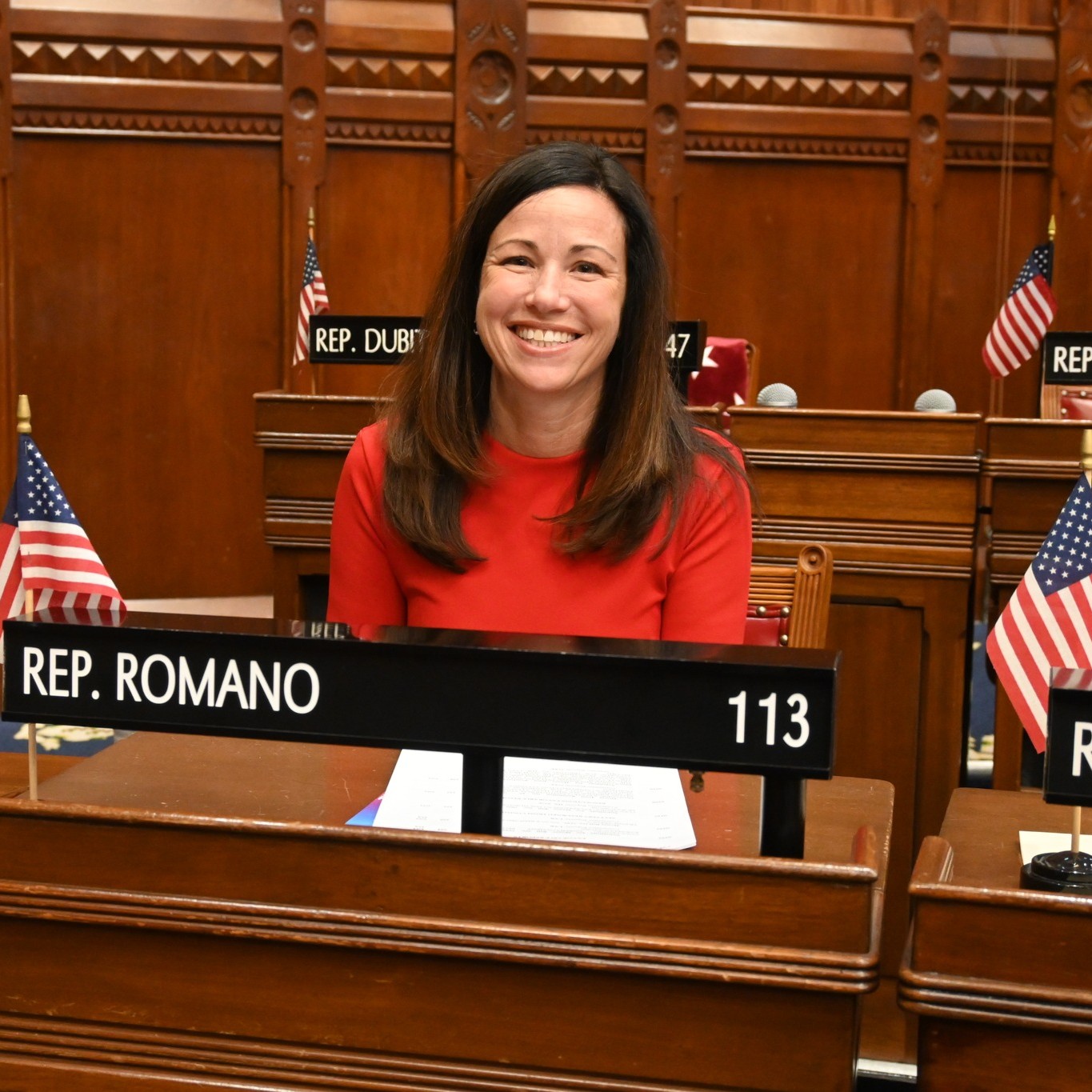
Amy Romano
Amy Romano House · District 113
R
Strong +
100% 5
Greg Howard
Greg Howard House · District 43
R
Strong +
100% 5
Doug Dubitsky
Doug Dubitsky House · District 47
R
Strong +
100% 7
Tony Hwang
Tony Hwang Senate · District 28
R
Strong +
93% 16
Travis Simms
Travis Simms House · District 140
D
Strong −
20% 5
Matt Lesser
Matt Lesser Senate · District 9
D
Oppose
23% 15
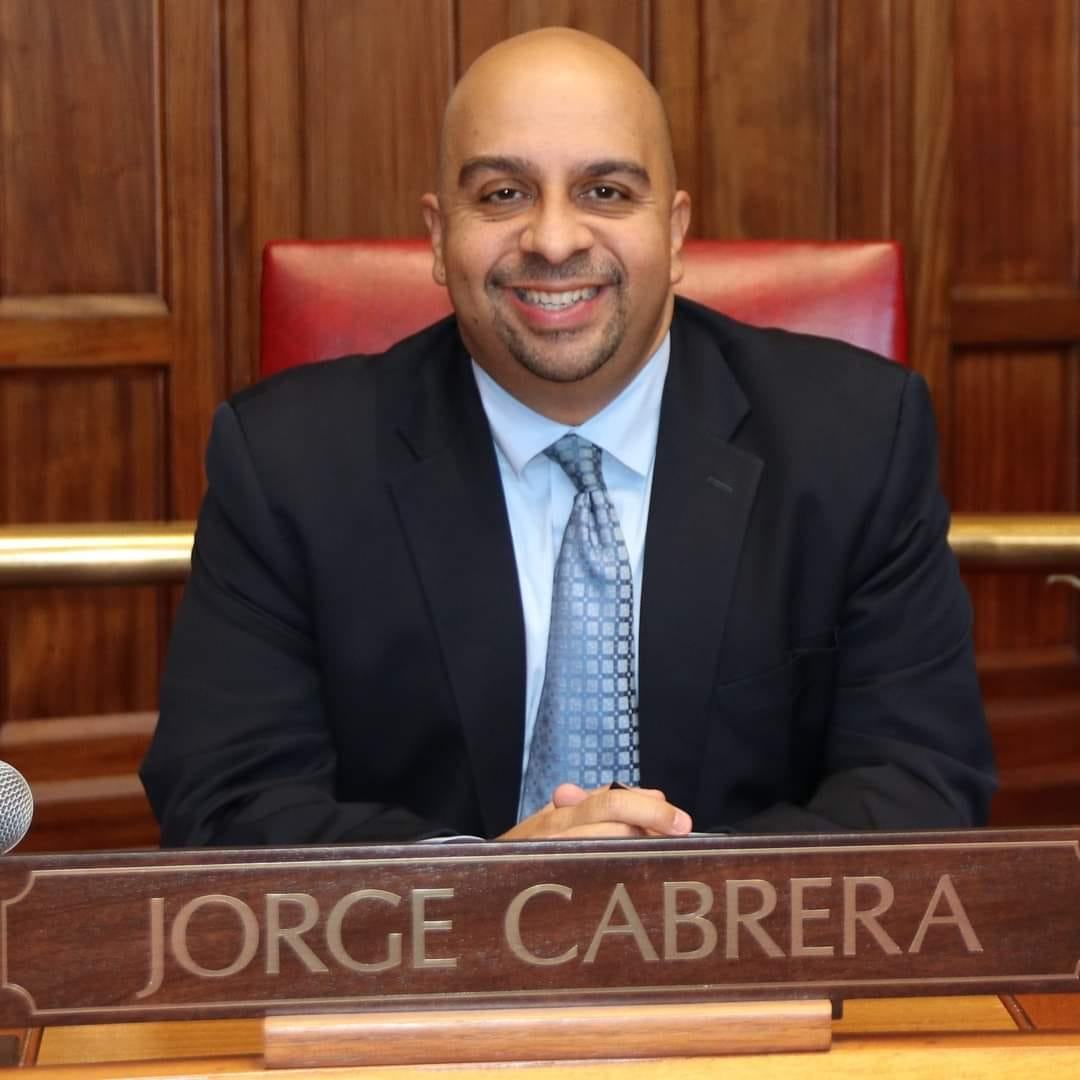
Jorge Cabrera
Jorge Cabrera Senate · District 17
D
Oppose
29% 16
Herron Gaston
Herron Gaston Senate · District 23
D
Oppose
29% 16
Bob Duff
Bob Duff Senate · District 25
D
Oppose
29% 16
Showing 11–20 of 62 bills

All environment bills

in committee · Connecticut · House Mar 30, 2026

HB 5503: AN ACT REQUIRING MUNICIPALITIES TO REPORT EXCESS WASTEWATER CAPACITY.

This bill requires Connecticut municipalities and their water pollution control authorities to submit annual reports to the Office of Policy and Management detailing current wastewater capacity and any expected excess capacity for the following year. The first report is due by January 1, 2027, and must follow a format specified by the state agency. If a municipality or authority fails to submit the required report, the state may withhold allocated funding for wastewater infrastructure improvements until compliance is achieved. This measure aims to improve state oversight of local wastewater systems without changing overall funding levels available for such projects.
Sub-Topics Water Quality
in committee · Connecticut · Senate Mar 9, 2026

SB 454: AN ACT CONCERNING PARK REPLACEMENT BY MUNICIPALITIES.

This bill requires municipalities to provide replacement land when they take, convert, or repurpose land that was originally acquired for parks, recreation, or open space purposes. The replacement land must be at least equal in value and size per unit area to the original land being repurposed. Before making such changes, municipalities must hold a public hearing specifically focused on the proposed land conversion, detailing the reasons for the change and describing the replacement land. The hearing notice must be published in a local newspaper at least twice with specific timing requirements, and the hearing itself must occur within a set window after any other required public meetings. This law applies to all towns, cities, boroughs, and other political subdivisions within the state.
in committee · Connecticut · Senate Apr 7, 2026

SB 456: AN ACT CONCERNING A GRANT PROGRAM FOR WILDLIFE REHABILITATION FACILITIES IN THE STATE.

This bill creates a new grant program to provide funding to nonprofit wildlife rehabilitation organizations operating facilities within the state. The program would be administered by the Commissioner of Energy and Environmental Protection, who could accept donations and establish a dedicated fund to distribute grants. To qualify, organizations must register with the department and submit annual reports detailing their operations, staff qualifications, and financial information. The commissioner has the authority to set specific criteria for grant distribution and may charge annual registration fees to participating organizations.
Sub-Topics Wildlife
in committee · Connecticut · Senate Apr 7, 2026

SB 416: AN ACT CONCERNING TRANSPORTATION SYSTEM MODERNIZATION.

This bill establishes a rebate program to help Connecticut residents, businesses, and municipalities purchase or lease new or used electric vehicles, with priority given to low-income households and environmental justice communities. It also creates a matching grant program to help municipalities upgrade traffic signals for better transit efficiency and reduces congestion. Additionally, the bill sets a timeline requiring most school buses to be zero-emission or alternative fuel vehicles by 2035, with accelerated adoption in distressed municipalities.
signed · Connecticut · House Jun 4, 2026

HB 5521: AN ACT CONCERNING STERILE CULTIVARS, APPLICATION REQUIREMENTS FOR THE USE OF CERTAIN MATERIALS AS FILL AND THE REVISION OF CERTAIN HOUSING-RELATED STATUTES.

This bill allows the sale and distribution of sterile plant cultivars that would normally be prohibited, provided state officials determine they cannot reproduce or spread under Connecticut's typical environmental conditions. The legislation requires the Commissioner of Energy and Environmental Protection to set standards for assessing sterility and includes provisions to revoke approval if a plant poses an ecological risk. Additionally, the bill modifies rules for energy facility permits and farmland preservation programs to ensure they do not exclude projects involving sterile cultivar production. These changes aim to balance agricultural and environmental protections with the ability to introduce sterile plant varieties into the state.
Sub-Topics Conservation
signed · Connecticut · Senate Jun 4, 2026

SB 457: AN ACT CONCERNING THE STATE'S BOTTLE BILL.

This bill requires the creation of a nonprofit beverage container stewardship organization that will manage the state's bottle deposit program. The organization must be run by deposit initiators, operate as a tax-exempt entity, and demonstrate strong financial controls to prevent fraud. Companies selling beverage containers must join this organization within three months of its approval, and the organization must develop a detailed plan to achieve an 80% redemption rate while ensuring financial self-sustainability. The plan must include input from various stakeholders and outline how recovered materials will be recycled, with annual reports submitted to the commissioner to track compliance.
Sub-Topics Recycling
passed · Connecticut · House Apr 28, 2026

HB 5522: AN ACT CONCERNING THE SEWAGE RIGHT-TO-KNOW ACT AND REQUIRING A REPORT CONCERNING WELL CONTAMINATION PROTOCOLS.

This bill strengthens Connecticut's Sewage Right-to-Know Act by requiring faster reporting and public notification of sewage spills and bypasses. It mandates that sewage treatment plant operators submit electronic reports to the Department of Energy and Environmental Protection within two hours of an incident, with details including location, volume, and public health concerns. The bill also requires operators to notify local officials and the public within two hours when a spill may impact people or waterways, and establishes a real-time alert system for residents to receive notifications via text or email. Additionally, the Department must publish annual summaries of sewage spills and enforcement actions on its website.
Sub-Topics Water Quality
in committee · Connecticut · House Apr 14, 2026

HB 5551: AN ACT CONCERNING PROCEEDINGS OF THE SITING COUNCIL AND OTHER REQUIREMENTS CONCERNING CERTAIN UTILITY EXPENDITURES.

This bill restructures the Connecticut Siting Council to oversee utility projects and hazardous waste facilities, requiring specific state officials and public members to participate in review proceedings. It establishes new membership rules that include designated representatives from state agencies, legislative leaders, and five public members appointed by the Governor who must have no financial ties to utilities or related facilities. The bill also creates ad hoc members from local municipalities for specific projects and requires the council to include staff dedicated to engaging the public and providing plain language summaries of proceedings.
Sub-Topics Hazardous Materials
passed · Connecticut · House May 2, 2026

HB 5523: AN ACT CONCERNING A TRIBAL WILDLIFE AND FISHERIES ADVISORY COUNCIL.

This bill establishes a Connecticut Tribal Wildlife and Fisheries Commission to facilitate cooperation between the state and Native American tribes on managing wildlife and fisheries resources. The commission will include representatives from five tribal nations, state agencies, and academic institutions to develop comanagement agreements that integrate tribal ecological knowledge with state conservation science. Additionally, the bill provides free hunting and fishing permits to enrolled tribal members on state lands, offers access to safety and education programs, and prioritizes tribal food processing facilities for technical assistance and funding support. These measures aim to promote sustainable resource use and tribal food sovereignty while maintaining state conservation goals and protections.
Sub-Topics Conservation Wildlife Tags Tribal Nations
in committee · Connecticut · Senate Feb 11, 2026

SB 167: AN ACT AUTHORIZING BONDS OF THE STATE FOR PLANS AND DESIGNS TO REMOVE OLD PAPERMILL POND DAM IN THE TOWN OF SPRAGUE.

SB 167 authorizes the state to issue up to $1 million in bonds to fund the development of plans and designs for removing Old Papermill Pond Dam in Sprague. The Department of Energy and Environmental Protection would provide a grant to the Town of Sprague specifically for this planning phase. The bill does not fund the dam removal itself, only the preliminary engineering and design work. This funding mechanism is limited to the planning stage, with no provisions for construction or other project costs. The bill directly affects Sprague residents and the state's environmental management processes.
Showing 11 to 20 of 62 bills
Previous 1 2 3 7 Next