

Issue · Budget & Taxes
Budget & Taxes (Property Tax)
Every budget & taxes bill, vote, and legislator stance in Connecticut, automatically classified by Maddy, our AI policy reader.
Total bills
27
2026 Regular Session
Top supporter
Bob Duff
75% support rate
Top opponent
Eric Berthel
25% support rate
Ranked legislators
10
5 support · 5 oppose
Key legislators
Who's moving property tax in Connecticut
| Legislator | Party | Stance | Support rate | Votes |
|---|---|---|---|---|
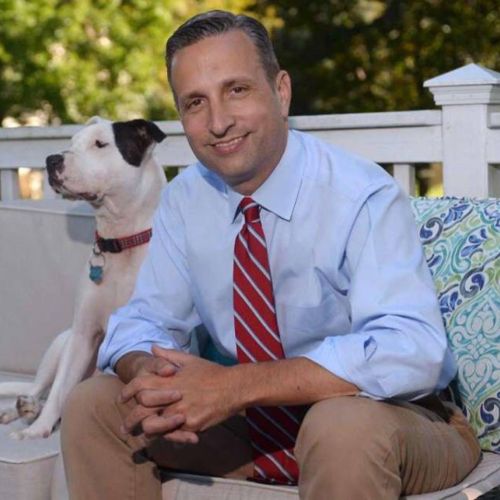
Bob Duff
Senate · District 25
|
D |
Support
|
75% | 4 |

Cathy Osten
Senate · District 19
|
D |
Support
|
75% | 4 |

Ceci Maher
Senate · District 26
|
D |
Support
|
75% | 4 |

Christine Cohen
Senate · District 12
|
D |
Support
|
75% | 4 |

Derek Slap
Senate · District 5
|
D |
Support
|
75% | 4 |
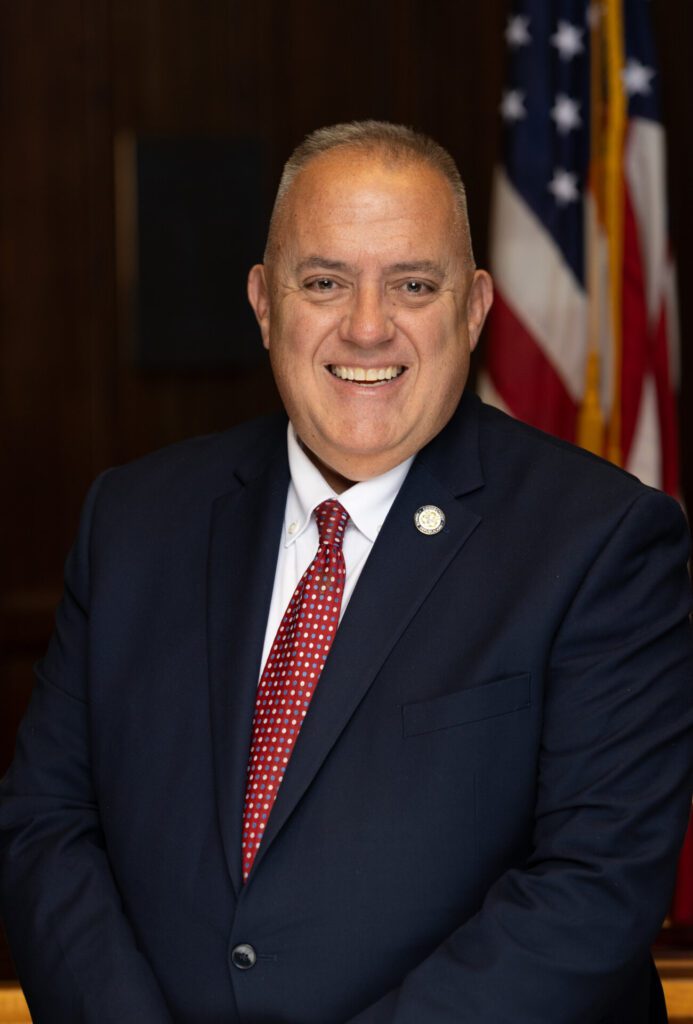
Eric Berthel
Senate · District 32
|
R |
Oppose
|
25% | 4 |

Heather Somers
Senate · District 18
|
R |
Oppose
|
25% | 4 |

Henri Martin
Senate · District 31
|
R |
Oppose
|
25% | 4 |

John Kissel
Senate · District 7
|
R |
Oppose
|
25% | 4 |

Paul Cicarella
Senate · District 34
|
R |
Oppose
|
25% | 4 |
Showing 11–20 of 27
bills
All budget & taxes bills
SB 34: AN ACT CONCERNING AN INCREASE OF THE FOUNDATION AMOUNT FOR PURPOSES OF THE EDUCATION COST-SHARING GRANT.
Topics
✓ Budget & TaxesSupports Budget & TaxesIncreases state education funding to reduce local property taxes, directly providing tax relief to homeowners as stated in the bill's purpose.
✓ EducationSupports EducationIncreases state education funding per student by raising foundation amount from $11,525 to $16,065, directly boosting school grants and providing property tax relief.
HB 5129: AN ACT ESTABLISHING A SURCHARGE ON HIGH-VALUE RECREATIONAL VESSELS AND CONCERNING THE USE OF THE REVENUE GENERATED.
HB 5068: AN ACT CONCERNING REIMBURSEMENTS TO MUNICIPALITIES FOR REVENUE LOSS ASSOCIATED WITH A VETERANS PROPERTY TAX CREDIT.
Topics
✓ Budget & TaxesSupports Budget & TaxesBill mandates state reimbursement of 50% revenue loss to municipalities from veterans tax exemptions, directly funding local governments to offset fiscal impact of tax policy, aligning with fiscal responsibility and funding support.
✓ VeteransSupports VeteransBill reimburses municipalities 50% for lost revenue from veterans' property tax exemptions, ensuring continued access to tax benefits without local financial burden.
HB 5286: AN ACT CONCERNING A MUNICIPAL TAX ABATEMENT FOR SURVIVING DOMESTIC PARTNERS OF POLICE OFFICERS, FIREFIGHTERS AND EMERGENCY MEDICAL TECHNICIANS.
HB 5009: AN ACT INCREASING AND EXPANDING THE PROPERTY TAX CREDIT AGAINST THE PERSONAL INCOME TAX FOR A PRIMARY RESIDENCE OR MOTOR VEHICLE.
HB 5076: AN ACT CONCERNING THE REBASING OF THE EDUCATION COST SHARING GRANT FORMULA FOR PURPOSES OF PROPERTY TAX RELIEF.
Topics
✓ Budget & TaxesSupports Budget & TaxesIncreases state education funding with inflation adjustments, allowing municipalities to reduce property tax rates by the exact amount of increased aid, directly lowering local tax burdens for residents.
✓ EducationSupports EducationIncreases state education grants from $11,525 to $18,681 over 5 years with inflation adjustments, directly boosting school funding and enabling property tax relief for residents.
HB 5017: AN ACT CONCERNING THE PROPERTY TAX CREDIT AGAINST THE PERSONAL INCOME TAX FOR A PRIMARY RESIDENCE OR MOTOR VEHICLE.
HB 5093: AN ACT CONCERNING THE REBASING OF THE EDUCATION COST SHARING GRANT FORMULA FOR PURPOSES OF PROPERTY TAX RELIEF.
Topics
✓ Budget & TaxesSupports Budget & TaxesBill increases state education funding to enable property tax relief for homeowners, directly reducing local tax burdens through higher state aid.
✓ EducationSupports EducationIncreases per-student state funding from $11,525 to $18,681 over 5 years with inflation adjustments, directly boosting school district resources and enabling property tax relief.
HB 5077: AN ACT CONCERNING THE REBASING OF THE EDUCATION COST SHARING GRANT FORMULA FOR PURPOSES OF PROPERTY TAX RELIEF.
Topics
✓ Budget & TaxesSupports Budget & TaxesIncreases state education grants to allow municipalities to lower property tax rates by the exact amount of increased aid, directly providing tax relief to taxpayers.
✓ EducationSupports EducationIncreases state education grant per student from $11,525 to $18,681 over 5 years with inflation adjustments, directly boosting school funding.