

Issue · Technology
Technology
Every technology bill, vote, and legislator stance in Colorado, automatically classified by Maddy, our AI policy reader.
Total bills
157
119th Congress
Top supporter
Diana DeGette
76% support rate
Top opponent
Lauren Boebert
27% support rate
Ranked legislators
10
5 support · 5 oppose
Key legislators
Who's moving technology in Colorado
| Legislator | Party | Stance | Support rate | Votes |
|---|---|---|---|---|

Diana DeGette
House · District 1
|
D |
Support
|
76% | 256 |

Brittany Pettersen
House · District 7
|
D |
Support
|
76% | 236 |

John W. Hickenlooper
Senate
|
D |
Support
|
76% | 230 |

Joe Neguse
House · District 2
|
D |
Support
|
73% | 262 |
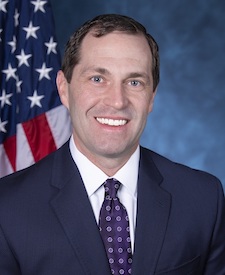
Jason Crow
House · District 6
|
D |
Support
|
73% | 263 |

Lauren Boebert
House · District 4
|
R |
Oppose
|
27% | 259 |
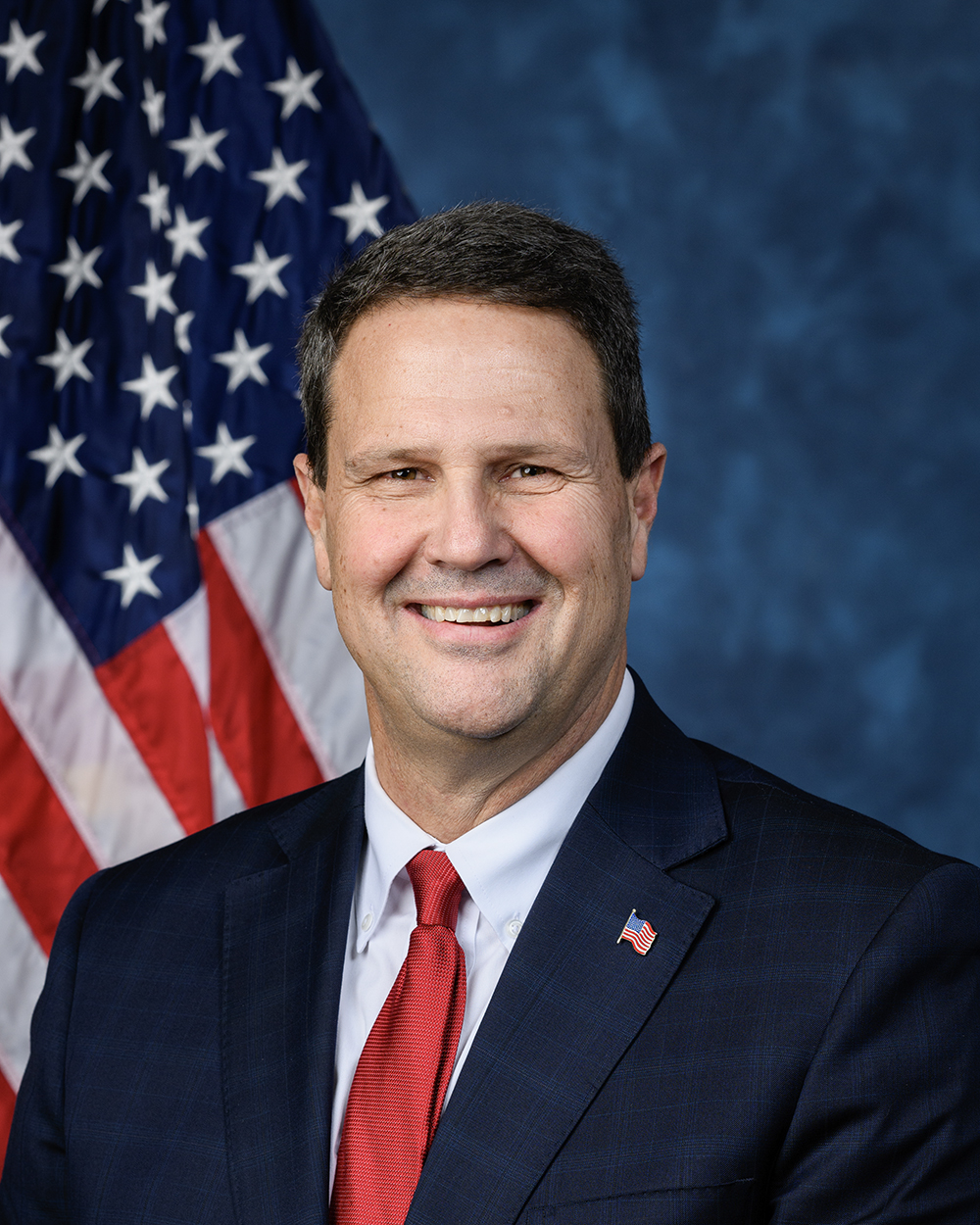
Jeff Crank
House · District 5
|
R |
Oppose
|
27% | 263 |

Jeff Hurd
House · District 3
|
R |
Oppose
|
36% | 262 |

Gabe Evans
House · District 8
|
R |
Oppose
|
36% | 263 |

Michael F. Bennet
Senate
|
D |
Mixed −
|
41% | 201 |
Showing 1–10 of 157
bills
All technology bills
S 5310: Robotics Supply Chain Improvement Act
Topics
✓ Labor & EmploymentSupports Labor & EmploymentThe bill explicitly directs NIST to work with the Department of Labor to create training curricula that upskill workers for the robotics sector, directly supporting employment standards and workforce development.
✓ TechnologySupports TechnologyThe bill directs NIST to remove barriers to AI/robotics data sharing, establish standards for emerging tech, and fund workforce training, actively advancing the technology sector.
S 5360: Rural and Municipal Utility Cybersecurity Act
Topics
✓ EnergySupports EnergyThe bill funds cybersecurity for electric utilities, directly protecting energy infrastructure and ensuring the resilience of the power grid.
✓ TechnologySupports TechnologyThe bill explicitly funds cybersecurity technologies and threat sharing for utilities, directly enhancing digital security infrastructure.
S 5176: National Guard for National Service Act
Topics
✓ EnergySupports EnergyBill explicitly includes protecting critical infrastructure like energy grids as a project goal, indicating support for energy security.
✓ TechnologySupports TechnologyBill explicitly aims to enhance cybersecurity for schools and local governments, directly strengthening technology security.
S 5215: Cleaner Transportation Access for All Act
Topics
✓ Budget & TaxesSupports Budget & TaxesBill extends federal tax credits and authorizes billions in funding for clean vehicle infrastructure, directly advancing fiscal support for transportation programs.
✓ EnergySupports EnergyBill extends tax credits for clean vehicles and charging infrastructure, directly supporting renewable energy and clean energy infrastructure.
✓ EnvironmentSupports EnvironmentBill extends tax credits for clean vehicles and charging infrastructure, directly promoting clean energy and reducing emissions.
✓ TechnologySupports TechnologyBill funds EV infrastructure and creates commissions to study industry needs, advancing clean transportation technology.
✓ TransportationSupports TransportationBill extends tax credits for clean vehicles, funds charging infrastructure, and creates new offices to coordinate transportation efforts.
S 5224: Runway SAFE-T Act
Topics
✓ TechnologySupports TechnologyBill authorizes federal grants to purchase advanced technologies like sensors and simulation systems to enhance airport safety.
✓ TransportationSupports TransportationBill establishes a task force for driver training and authorizes federal grants to fund advanced safety technologies for airport ground vehicles, directly enhancing transportation safety.
Sub-Topics
Airports
S 5220: Clean Transportation Jobs and Development Act of 2026
Topics
✓ Budget & TaxesSupports Budget & TaxesBill explicitly increases authorized budget for battery processing grants to $6 billion, directly advancing state fiscal management and funding for essential programs.
✓ EnergySupports EnergyBill directs DOE to expand funding for battery manufacturing and critical minerals, strengthening clean energy infrastructure and reducing fossil fuel dependence.
✓ EnvironmentSupports EnvironmentBill funds battery manufacturing and clean vehicle technologies, directly advancing clean energy and reducing emissions.
✓ Labor & EmploymentSupports Labor & EmploymentBill mandates workforce safety and fire prevention plans for grant recipients, directly strengthening workplace safety standards.
✓ TechnologySupports TechnologyBill explicitly funds and expands battery manufacturing and advanced vehicle technologies, directly strengthening the technology sector.
✓ TransportationSupports TransportationBill explicitly funds battery manufacturing and vehicle technologies to advance clean transportation infrastructure.
HR 9814: 988 Lifeline Location Improvement Act of 2026
Topics
✓ HealthcareSupports HealthcareBill improves emergency response for mental health crises by enabling precise location tracking, enhancing patient access to care.
✓ TechnologySupports TechnologyBill mandates precise location data transmission to emergency responders, enhancing public safety and crisis response capabilities through improved technology integration.
HR 9997: National Guard for National Service Act of 2026
Topics
✓ EnergySupports EnergyBill protects critical infrastructure including energy systems, strengthening national security and resilience.
✓ TechnologySupports TechnologyBill explicitly aims to improve cybersecurity for schools and local governments, directly supporting technology protection.
✓ TransportationSupports TransportationBill explicitly aims to protect critical infrastructure including transportation systems through National Guard involvement.