Issue · Energy

Energy

Every energy bill, vote, and legislator stance in Colorado, automatically classified by Maddy, our AI policy reader.

Total bills
21
2026 Regular Session
Top supporter
Javier Mabrey
100% support rate
Top opponent
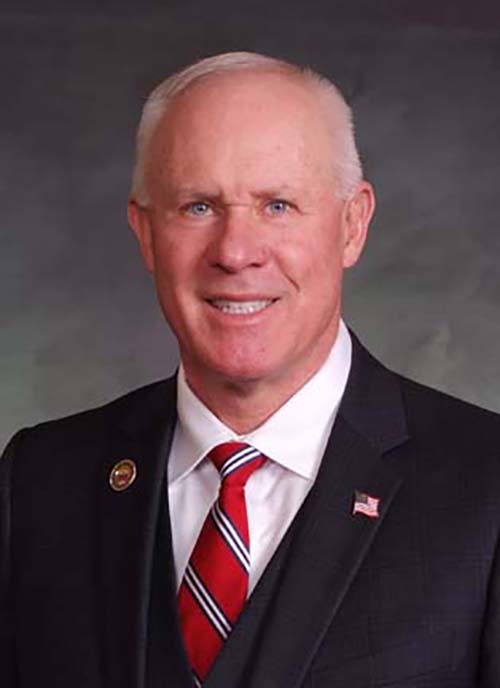
Scott Bottoms
11% support rate
Ranked legislators
10
5 support · 5 oppose
Key legislators

Who's moving energy in Colorado

Legislators moving energy in Colorado
Legislator Party Stance Support rate Votes
Javier Mabrey
Javier Mabrey House · District 1
D
Strong +
100% 61
Alex Valdez
Alex Valdez House · District 5
D
Strong +
95% 70
Andy Boesenecker
Andy Boesenecker House · District 53
D
Strong +
95% 90
Emily Sirota
Emily Sirota House · District 9
D
Strong +
94% 71
Katie Stewart
Katie Stewart House · District 59
D
Strong +
94% 68
Scott Bottoms
Scott Bottoms House · District 15
R
Strong −
11% 65
Tony Hartsook
Tony Hartsook House · District 44
R
Strong −
11% 78
Ava Flanell
Ava Flanell House · District 14
R
Strong −
12% 59
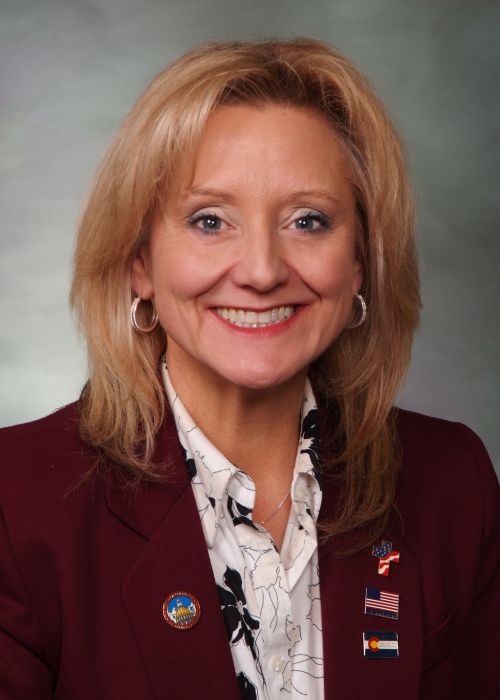
Rebecca Keltie
Rebecca Keltie House · District 16
R
Strong −
12% 63
Larry Suckla
Larry Suckla House · District 58
R
Strong −
15% 89
Showing 21–21 of 21 bills

All energy bills

signed · Colorado · Senate Jun 2, 2026

SB 2: Energy Affordability

The act requires an investor-owned utility (utility) to establish a percentage-of-income payment plan program (PIPP program) to assist income-qualified residential utility customers with utility costs. An income-qualified utility customer is eligible for the PIPP program if the customer meets the income eligibility criteria, lives in the service area of the utility, and either submits an application to the utility or is referred by another income-eligible assistance program offered by the department of human services, the Colorado energy office, or another energy assistance program approved by the public utilities commission (commission). A utility must approve or deny a customer's application for participation in the PIPP program within 30 days.     The utility bill for a customer enrolled in a utility's PIPP program is capped at a specific percentage of the customer's household income, typically ranging from 2% to 6% of the customer's household income depending on the heating source provided and the size of the utility. The difference between a customer's actual utility bill and their PIPP program bill is covered by a fixed credit, which can be an up-front annual credit or an equal monthly credit to the customer's utility bill. The act also establishes arrearage credits for customers in the PIPP program, which are applied to eliminate a customer's preexisting debt prior to the customer's enrollment in the PIPP program.     A utility's PIPP program is funded through a 'PIPP charge' itemized on all customer bills. The amount of the PIPP charge is established by the commission by rule for the utility. A utility must submit an annual report related to the utility's PIPP program to the commission. The report must include the following information:The PIPP charge revenue collected by the utility;Any amount contributed to the PIPP program by the utility from shareholder profits;A calculation of administrative costs associated with implementing and administering the PIPP program;The amount of fixed monthly or annual credits provided to customers in the utility's PIPP program; andThe amount of arrearage credits provided to customers in the PIPP program.      The act exempts products fueled by propane and products used exclusively for installation in manufactured homes from emissions standards adopted by the Colorado department of public health and environment related to heating and water heating appliances until January 1, 2031.     The act extends the deadline by which money in the 'Infrastructure Investment and Jobs Act' cash fund may be appropriated from July 1, 2028, until July 1, 2031.(Note: This summary applies to this bill as enacted.)
Sub-Topics Utility Regulation
Showing 21 to 21 of 21 bills